TikTok Bans Turn YouTube into Gold for Feet Creators on FeetFinder
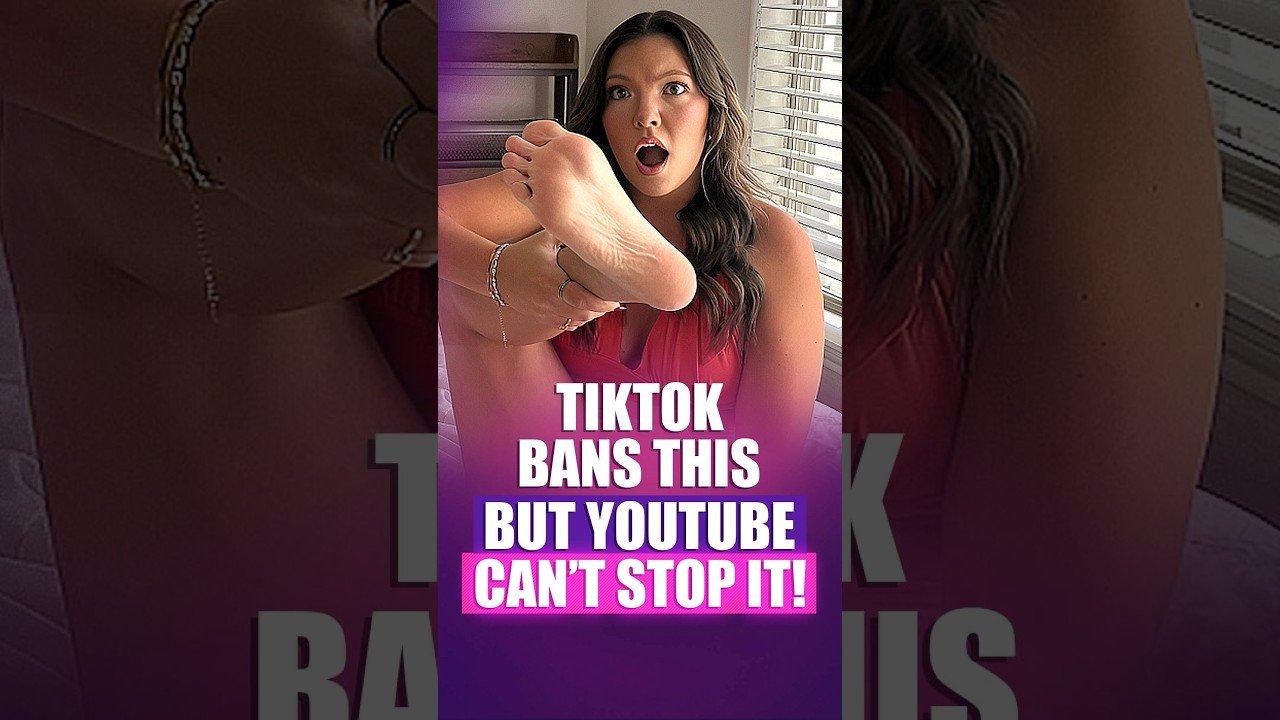
As TikTok tightens content rules, YouTube and niche platforms like FeetFinder are becoming prime places for foot-content creators to find paying audiences; you can pivot your approach to stay compliant while monetizing short-form video and private listings. You’ll see how creators are turning policy shifts into steady income streams and where demand is actually growing.
This piece outlines practical steps you can follow: setting up a legit business, realistic startup costs, branding and content planning, navigating platform rules and enforcing customer boundaries, plus strategies for scaling income. You’ll also get myth-busting tips and action items so you can start safely and grow sustainably.
TikTok bans and the creator landscape
Summary of recent TikTok moderation and policy shifts affecting foot content
You’ve probably noticed TikTok tightening enforcement around sexualized, fetish, or explicit content in the last few years. Policies that once tolerated borderline material have been clarified and automated moderation intensified. That means creators posting foot content—especially anything that could be interpreted as fetishized or explicit—face more removals, shadowbans, age-gating, and account suspensions. These shifts come from a mix of algorithmic moderation, community reports, and platform-wide efforts to comply with stricter advertiser standards and regulatory scrutiny.
Why enforcement has driven creators to seek alternative platforms
When your reach, income, or even account safety becomes dependent on a single platform’s opaque rules, you start looking for more stable alternatives. You’re driven off TikTok because sudden removals or demonetization can wipe out weeks or months of growth. Alternative platforms that offer clearer rules, direct monetization, or stronger seller protections look attractive because they reduce your risk and give you better control over who pays you and how.
How bans changed short-form content strategies and discovery
Bans and policy shifts forced you to rethink short-form content. Many creators pivoted from provocative or ambiguous snippets to safer previews, educational clips, or more generalized foot-care and styling content. Creators also learned to use captions and thumbnails that avoid flagged terms, and to migrate audiences to safer destinations (like YouTube, private sites, or marketplaces). Discovery shifted from viral-for-virality to a funnel mindset: use shareable, platform-safe content to move viewers to owned channels where monetization is more reliable.
Impact on audience behavior and expectations for foot content
Your audience has adapted too. Viewers seeking foot content now expect clearer buying paths, safer payment options, and verified creators. They prefer private, paid channels that respect discretion, verification, and a predictable seller experience. At the same time, casual viewers are less tolerant of ambiguous content that could be removed; they appreciate previews that clearly indicate what’s free and what’s paid.
Opportunities created by platform restrictions for niche creators
Restrictions create gaps you can fill. With fewer creators willing to risk policy violations, you have a chance to own niches by offering higher-quality content, better customer service, and clear, compliant funnels. Niche creators can attract serious buyers, build subscription communities, and leverage platforms designed for transactions. That means less competition from short-lived viral accounts and more from creators who treat the work like a sustainable business.
Why YouTube becomes gold for feet creators
YouTube’s reach and search-driven discovery compared with TikTok’s feed
YouTube gives you two major discovery mechanics: an algorithmic feed and search-driven discovery. Unlike TikTok’s primarily For You feed, YouTube’s search and suggested-video systems let your content surface repeatedly over months or years. When someone searches for foot-care tips, niche photography, or specific preview topics, your videos can appear long after they were published. That long tail of discovery makes YouTube particularly valuable for evergreen foot content.
Advantages of YouTube Shorts combined with long-form content
YouTube Shorts give you the snackable reach similar to TikTok, while full-length videos let you build trust and depth. You can use Shorts to capture attention and funnel viewers to longer videos that explain your services, show behind-the-scenes processes, or host tutorials that establish authority. This two-pronged approach lets you enjoy rapid exposure while also converting curious viewers into subscribers and paying customers.
Stronger creator tools, analytics, and monetization options
YouTube’s creator studio offers detailed analytics, revenue reporting, and multiple monetization paths (ads, channel memberships, Super Chats, merch shelves in eligible regions). These tools help you understand viewer behavior, refine content, and diversify income. For foot creators, the ability to track watch time, audience retention, and traffic sources is invaluable for optimizing both free content and conversion paths to paid listings.
Audience retention and building a subscriber base for repeat sales
Subscribers on YouTube are not just followers—they’re a repeat audience you can re-engage with new uploads, community posts, and memberships. That repeat exposure builds familiarity and trust, which directly increases the likelihood of purchases, custom orders, and recurring subscriptions on platforms where you sell content.
The SEO benefit of YouTube for evergreen foot content
YouTube is the world’s second-largest search engine. By optimizing titles, descriptions, and tags for evergreen queries (foot-care routines, foot photography tips, niche shoe reviews, etc.), you create content that continues to attract viewers. That organic, search-driven traffic is lower-cost and more stable than chasing viral trends, and it feeds a consistent conversion funnel to your selling platform.
Overview of FeetFinder as a platform
What FeetFinder is and how it differs from mainstream social platforms
FeetFinder is a marketplace built specifically for buying and selling foot-related content. Unlike general social platforms, it’s transaction-focused: listings, direct messaging for buyers, and a marketplace structure make it easy to monetize your work. The user experience and expectations on FeetFinder are commerce-first, so buyers are typically there with purchase intent rather than casual browsing.
Safety, age verification, and privacy features highlighted by the site
FeetFinder emphasizes safety and age verification, requiring identification to confirm sellers are adults and offering privacy controls to keep your profile discreet. These systems reduce the risk of underage interactions and give you a reputable environment to transact without exposing personal contact details.
Typical buyer profiles and what they expect from listings
Buyers on FeetFinder tend to be specific and transaction-focused. Many are repeat customers who expect clear pricing, sample images, and reliable delivery. They often value privacy, prompt communication, and consistent quality. Creating listings that match these expectations—good samples, accurate descriptions, and transparent terms—makes you more likely to convert browsers into buyers.
How FeetFinder handles payments, disputes, and creator protections
FeetFinder processes payments through the platform, which simplifies billing and reduces direct payment risk. The platform typically holds funds until delivery or has dispute mechanisms to protect both parties. Familiarize yourself with the site’s dispute processes and documentation requirements so you can resolve issues quickly and protect your earnings.
Why FeetFinder pairs well with YouTube traffic and lead generation
YouTube drives discovery and builds trust; FeetFinder manages transactions and delivers content securely. Use YouTube to demonstrate professionalism, provide previews, and educate viewers on what you offer, then funnel interested buyers to your FeetFinder listings. That separation keeps public content compliant with platform rules while converting committed buyers in a protected environment.

This image is property of i.ytimg.com.
Business setup and legal considerations
Verifying age and compliance to avoid platform or legal issues
You must verify that you and any collaborators are of legal age and comply with platform rules and local laws. Platforms like FeetFinder require ID checks; you should also avoid content or messaging that could be interpreted as facilitating underage involvement. Staying proactive about compliance reduces the risk of account suspension or legal trouble.
Selecting a payment setup and handling taxes as an independent seller
Choose payment processors that support digital goods and work in your jurisdiction; some services restrict adult-adjacent transactions. Track income from each platform separately, and set aside a portion for taxes. Depending on your location, you may need to collect sales tax, declare self-employment income, or pay estimated taxes quarterly—plan for that from day one.
Business structures to consider for liability and growth (sole proprietor, LLC)
Decide whether to operate as a sole proprietor, LLC, or another entity. A sole proprietorship is simple to start but offers no personal liability protection. An LLC can protect personal assets and may offer tax flexibility, but it has costs and compliance requirements. Choose a structure that aligns with your risk tolerance, expected income, and long-term goals.
Record keeping, invoices, and reporting income from digital sales
Keep clear records of sales, invoices, platform payouts, and business expenses. Use simple accounting software or spreadsheets to reconcile transactions and prepare for tax reporting. Document refunds, disputes, and gift receipts—maintaining organized records simplifies tax filing and financial decisions.
Consulting legal or financial professionals for adult-adjacent income
Because rules and tax implications vary, consult a lawyer or accountant familiar with online creator income and adult-adjacent businesses. They can advise on contracts, terms of service, jurisdictional issues, and tax strategies that protect you while helping you scale.
Branding and niche positioning
Defining your unique selling proposition as a feet creator
Your USP should answer why a buyer chooses you over others. Maybe you specialize in foot-care education, niche aesthetics (vintage, glam, athletic), custom angles, or high-quality photography. Define that edge clearly so your audience knows what to expect and why your content is worth paying for.
Choosing a brand persona and consistent visual identity
Decide on a persona—friendly and professional, playful and flirty, or clinical and educational—and keep it consistent across your channel art, thumbnails, and messaging. Visual identity extends to lighting style, color palettes, and wardrobe choices that make your content instantly recognizable.
Developing a content theme and color palette for thumbnails and channels
Consistent themes and color palettes in thumbnails and channel banners help viewers recognize your videos in feeds. Choose two or three colors, a font style, and a thumbnail layout that signals your brand at a glance. That consistency boosts discoverability and trust.
Naming conventions, profile descriptions, and keyword optimization
Pick a memorable channel and profile name that’s searchable and on-brand. Use profile descriptions and video metadata to include keywords buyers use—terms related to foot-care, photography styles, or niche descriptors. Optimize without being spammy; clarity helps both SEO and user trust.
Strategies for building trust and repeat customers through brand voice
Use a friendly, professional voice in communication and content to build trust. Deliver on promises, be transparent about pricing and delivery times, and celebrate repeat customers with loyalty discounts or private offers. Trust converts first-time buyers into steady clients.
Content strategy for YouTube and Shorts
Balancing Shorts with longer videos to maximize reach and trust
Shorts hook viewers; longer videos build trust. Publish a mix: Shorts as discovery channels or teasers, and 6–15 minute videos to explain your services, show production quality, and answer buyer questions. Link between formats so Shorts funnel to longer content and eventual purchases.
Content pillars: preview clips, educational/business tips, behind the scenes
Structure content around pillars: previews that show what buyers can expect, educational or business tips (foot-care routines, photography tips, pricing advice), and behind-the-scenes content that emphasizes professionalism and process. These pillars reinforce your expertise and appeal to both casual viewers and paying customers.
Thumbnail, title and description tactics to attract targeted viewers
Craft thumbnails that are clear, branded, and intriguing without violating platform policies. Titles should include target keywords and a benefit (e.g., “How I Photograph Feet for Highest Sales”). Descriptions should summarize the video, include calls-to-action (join my FeetFinder listing), and use relevant keywords to help search.
Repurposing TikTok assets and adapting them to YouTube format
You can reuse TikTok clips as Shorts, but reformat and re-edit to suit YouTube’s aspect ratios and audience expectations. Add intros, captions, or context to make repurposed content feel native. Remove or adjust anything that previously led to moderation issues.
Publishing cadence, playlists, and drip release strategies for sales funnels
Maintain a consistent publishing schedule—there’s value in predictability. Use playlists to organize pillar content and create drip campaigns (series of videos that progressively educate and convert). Link to your FeetFinder listings in video descriptions and mention them in calls-to-action to move viewers down the funnel.
Monetization pathways and pricing models
Direct sales on FeetFinder: pay-per-photo, bundles, and subscriptions
FeetFinder supports direct models like pay-per-photo, bundles, and subscriptions. Price items based on quality, exclusivity, and demand. Bundles and subscriptions encourage higher average order values and recurring revenue, while pay-per-photo meets one-off buyers.
Supplemental revenue from YouTube: ads, memberships, affiliate links
On YouTube, you can earn ad revenue, run channel memberships for exclusive perks, and use affiliate links (where allowed) to supplement income. These streams may be smaller per-user but add recurring revenue and diversify your income.
Upsell and cross-sell tactics: custom requests, video content, and merch
Offer upsells like custom photo sets, personalized videos, or themed bundles. Cross-sell related products such as foot-care guides, ebooks, or branded merchandise that align with your audience’s interests. Structured upsells increase lifetime customer value.
Pricing psychology: discounts, scarcity, and recurring revenue plans
Use pricing strategies like introductory discounts, limited-time offers, and subscription tiers to incentivize purchases. Scarcity (limited slots for custom requests) can prompt faster decisions, while clear subscription benefits make recurring plans attractive.
Tracking revenue streams and optimizing for lifetime customer value
Monitor earnings by channel and product to see what converts best. Track metrics like repeat purchase rate, average order value, and churn for subscriptions. Use this data to optimize pricing, promotional cadence, and product offerings to maximize lifetime value.
Audience acquisition and cross-platform promotion
Building a funnel: YouTube discovery to FeetFinder conversions
Your funnel should begin with freely discoverable content on YouTube—Shorts and long-form videos that educate or entertain—then move interested viewers to a paid destination like FeetFinder. Clear calls-to-action and transparent expectations make conversions smoother.
SEO, tags, and keyword research specific to foot content
Research keywords your target buyers use—search queries around foot-care, photography, or niche aesthetics. Use those keywords in titles, descriptions, and tags. Niche, long-tail keywords often convert better because they match specific buyer intent.
Using Shorts and trending formats to capture viral attention
Jump on trending Short formats to grow reach quickly, but keep them safe and compliant. Trends can land new viewers who then progress to your longer videos. Tailor trends to fit your brand so growth brings relevant audiences.
Email lists, private channels, and repeat-customer outreach
Collect emails or build private channels for buyers and interested viewers. Email lets you announce new listings, sales, and limited offers directly—bypassing algorithmic feeds. Treat this list like a VIP group and give them special access to foster loyalty.
Collaborations, shoutouts, and community engagement to expand reach
Collaborate with creators in adjacent niches (photography, fashion, foot-care) to tap into new audiences. Shoutouts and community interactions—comments, Q&A, live streams—boost visibility and humanize your brand, making viewers more comfortable converting.
Safety, privacy, and customer boundaries
Setting and enforcing clear communication and payment policies
Define payment, refund, and delivery policies in writing and stick to them. Clear policies reduce misunderstandings and protect you during disputes. Use platform-based payment channels whenever possible to keep records and minimize chargeback risk.
Protecting personal identity: image metadata, faces, and location data
Strip metadata from images and avoid showing identifiable features (faces, tattoos, or backgrounds revealing location) unless you’re comfortable being recognized. Use plain backgrounds and take care with file names. Privacy is essential for safety and peace of mind.
Handling harassment, doxxing risks, and unwanted attention
Have protocols for harassment: document messages, block and report abusive users, and escalate severe threats to the platform and law enforcement. Consider a separate phone number and email for business to reduce personal exposure.
Establishing boundaries for custom content and explicit requests
Set clear rules for what you will and won’t create. Communicate boundaries politely but firmly and refuse requests that violate platform terms or your comfort. Predefine pricing and turnaround times for custom content to avoid negotiation fatigue.
When and how to block, report, or escalate problematic buyers
If a buyer crosses boundaries, stop communication, document the interaction, and use the platform’s reporting tools. Preserve evidence of threats or harassment and, if necessary, involve law enforcement for serious incidents. Prioritize your safety over a single sale.
Conclusion
Why TikTok bans are a catalyst, not an endpoint, for foot creators
TikTok restrictions may be frustrating, but they can push you toward more sustainable business practices. Instead of relying on a single feed-centric platform, you can build a diversified funnel that’s more resilient to policy changes.
YouTube and FeetFinder together provide a durable, scalable business path
YouTube gives discovery, SEO, and audience-building tools; FeetFinder provides transaction infrastructure and safety features for buyers and sellers. Together they let you attract, convert, and retain paying customers in a predictable way.
Key next steps for creators: compliance, branding, funnels, and safety
Start by ensuring compliance and age verification, then define your brand and content pillars. Build a YouTube presence with both Shorts and long-form content, and funnel interested viewers to FeetFinder or other secure marketplaces. Simultaneously put privacy and safety measures in place.
Long-term outlook and recommended focus areas for sustained income
Focus on consistent content, excellent customer experience, and diversified revenue streams. Invest in branding, analytics, and legal/tax advice as you grow. With discipline and safety-first practices, you can turn niche foot content into a durable, scalable income source that’s less vulnerable to sudden platform shifts.



Leave a Comment