FeetFinder Guide to Turning Foot Photos into a Sustainable Business
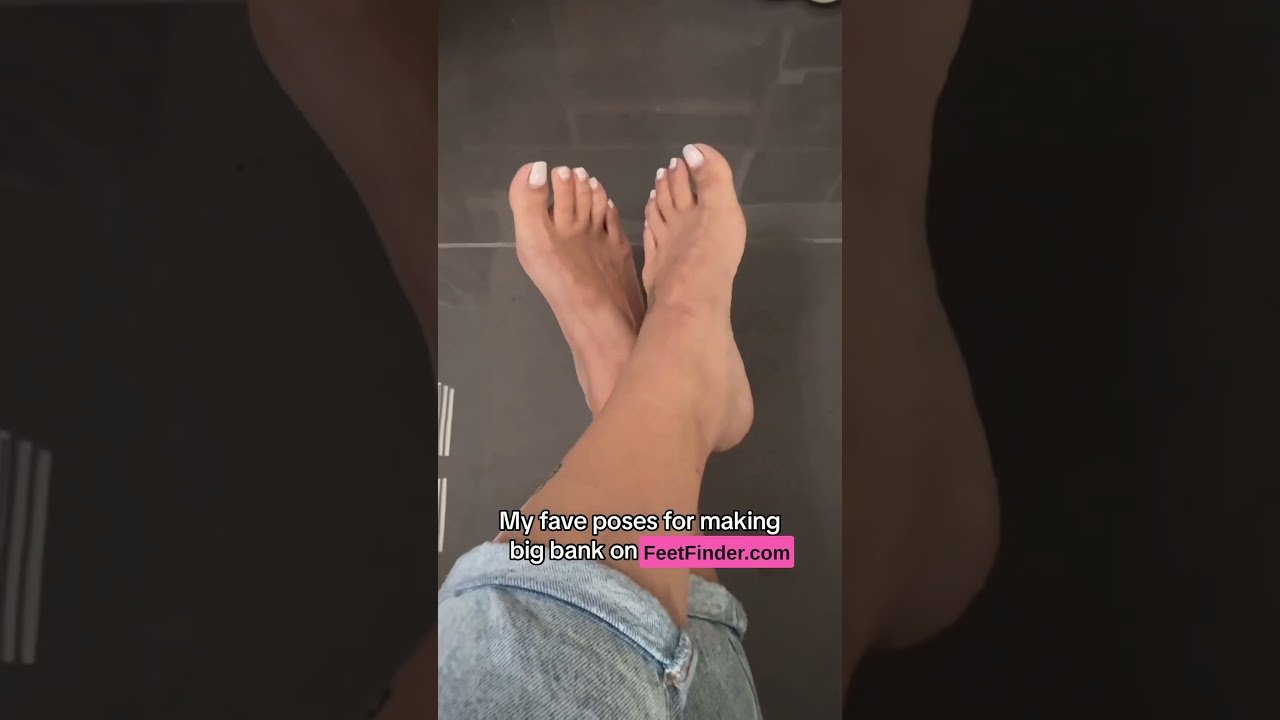
FeetFinder Guide to Turning Foot Photos into a Sustainable Business gives you a practical roadmap for turning simple foot photos into a legitimate income stream while prioritizing safety and clear boundaries. You’ll get reassuring, easy-to-follow advice so starting feels doable instead of intimidating.
You will find step-by-step guidance on business setup, realistic startup costs, branding and content planning, platform rules and customer boundaries, plus strategies for scaling beyond a side hustle. Expect myth-busting, monetization tips, and actionable next steps to help you build a sustainable creator business.
Business Foundation and Mindset
Before you start, treat this as a real business even if it begins as a hobby. Establishing the right mindset helps you make steady choices about time, money, and boundaries so you can move from casual posts to a sustainable income stream without burning out or compromising your safety.
Define your goals: hobby income, full-time business, or side hustle
Decide whether you want extra spending money, a reliable part-time income, or a full-time business. Your goal determines how much time you invest, how professional your branding must be, and what legal and tax steps you’ll need to take.
Set realistic expectations around timelines and income variability
Income will fluctuate and growth takes time; you may earn little at first and see spikes with the right content or promotion. Plan for slow months, keep a buffer, and track metrics so you can set realistic revenue targets and adjust strategies.
Understand the ethical and legal considerations of adult-adjacent content
Research local laws, platform rules, and age-of-consent regulations. Make sure you never involve minors or dependents, respect privacy and consent, and disclose any sponsored relationships. Ethical business practices protect your reputation and longevity.
Create a short-term and long-term business plan
Write a short plan for the next 3 months (content schedule, platform setup, basic pricing) and a long-term plan for 12–24 months (brand growth, diversification, financial goals). Revisit these plans regularly and update them with real metrics.
Assess personal boundaries and comfort levels before starting
Reflect on what you’re willing to show, who you’ll interact with, and how much personal info you’ll share. Clear boundaries reduce stress and make it easier to enforce rules with customers while preserving your well-being.
Platform Selection and Comparison
Choosing the right platform affects discoverability, fees, payment methods, and safety. You’ll balance visibility and control: some platforms give built-in audiences, others prioritize privacy and one-to-one sales. Diversify to reduce risk from any single platform’s policy changes.
Overview of FeetFinder and how it differs from subscription platforms
FeetFinder is a marketplace focused on foot content where creators list photos and buyers purchase directly. It emphasizes transactional sales rather than ongoing subscriptions, making it easier to sell individual images or sets without committing to recurring content.
Comparing FeetFinder with OnlyFans, Patreon, and marketplaces
OnlyFans focuses on subscriptions and direct messaging, Patreon targets recurring fan support often for creators with broader content, while marketplaces like FeetFinder and other niche sites enable per-item sales and often higher discoverability for buyers looking specifically for foot content.
Platform fees, payout schedules, and payment processors
Fees, payout schedules, and payment options vary: marketplaces often take a commission per sale, while subscription sites may take a percentage of recurring payments. Check minimum payout thresholds, processing delays, and supported banks or payment services before committing.
Audience visibility, discoverability, and search features
Some platforms include keyword or category search that helps new buyers find you, while subscription platforms rely on external promotion. Prioritize platforms that match your promotional skills: marketplaces for inbound traffic, subscriptions for loyal followers.
Selecting primary and secondary platforms for diversification
Choose a primary platform for your core audience and a secondary one for backup income or different formats. Diversification protects you from policy changes, payment holds, or sudden drops in traffic and lets you test pricing across different buyer segments.
Account Setup and Compliance
Setting up accounts correctly avoids holds, verifications, and potential bans. Use consistent, privacy-minded practices and document everything you submit so you can resolve disputes or appeals faster if needed.
Age verification and documentation requirements on FeetFinder
FeetFinder and similar platforms require government ID and selfies for age verification to ensure creators and buyers are adults. Prepare clear, valid documents and follow each platform’s instructions to avoid delays or rejections.
Choosing a username and profile bio that balances privacy and brand
Pick a memorable username that doesn’t reveal your legal name or location. Your bio should communicate your niche, professionalism, and rules clearly while staying concise and brand-aligned.
Setting up secure payment and banking information
Use a business bank account or a payment processor that protects your personal details. Keep records for taxes and set up a separate account for business revenue to simplify bookkeeping and limit exposure of personal finances.
Understanding and following platform rules and content policies
Read platform terms and content policies thoroughly; violations can result in bans or suspended payouts. Keep a checklist of dos and don’ts for each platform and update it whenever policies change.
Implementing two-factor authentication and account recovery plans
Enable two-factor authentication (2FA) on all accounts and store recovery codes in a secure password manager. Have a backup email or phone number and a documented recovery plan to prevent permanent lockouts.
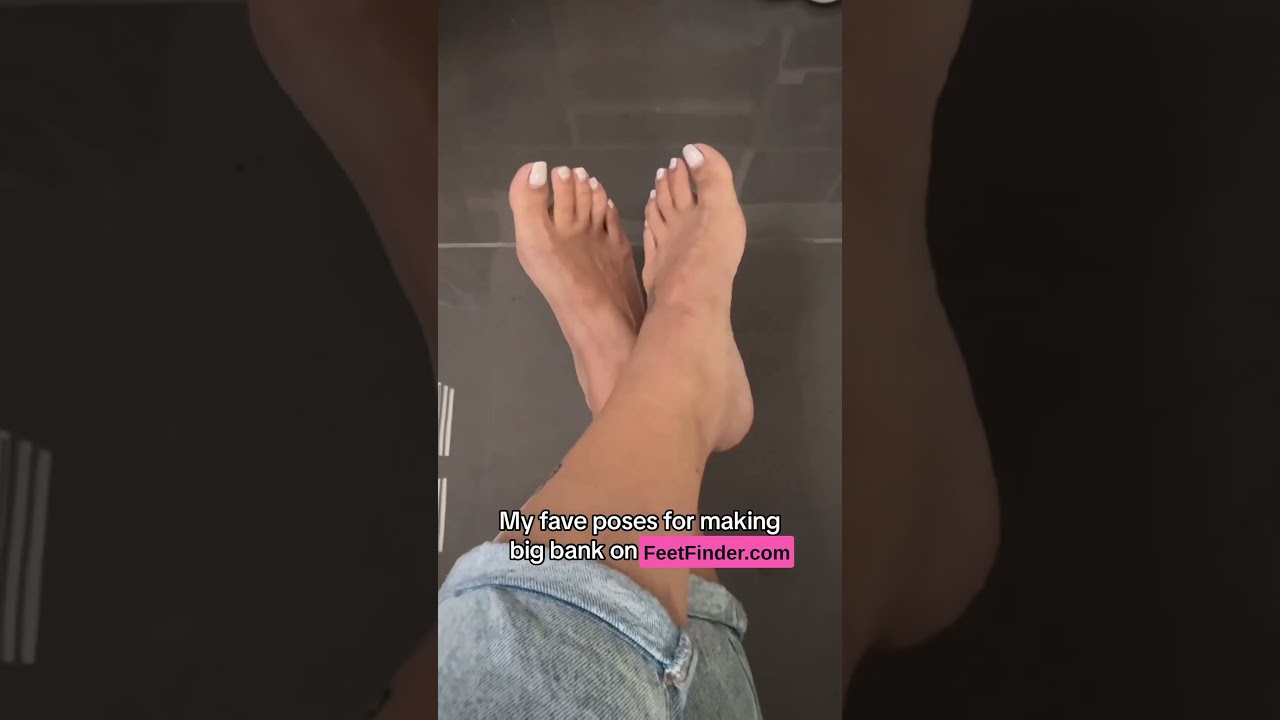
This image is property of i.ytimg.com.
Branding and Niche Positioning
Your brand and niche help you stand out in a crowded market. Consistency in visuals, messaging, and target audience will attract buyers who resonate with your style and are willing to pay for what you uniquely offer.
Finding a niche: aesthetic styles, themes, or fetish sub-niches
Identify a niche that fits your comfort and market demand—minimalist, glam pedicures, barefoot lifestyle, vintage shoes, or specific sub-niches. Narrow niches can command higher prices because buyers seek specific aesthetics.
Creating a memorable and cohesive visual identity
Develop a consistent color palette, photo style, and editing approach so your content is instantly recognizable. Cohesive visuals build trust and make your profile look professional, increasing perceived value.
Voice and tone for captions, messages, and marketing
Decide on a voice—playful, professional, mysterious—and keep it consistent across captions, replies, and promotional content. A steady voice builds rapport and sets buyer expectations for interactions.
Deciding how much personal information to reveal
Share what enhances trust (hobbies, a general bio) but avoid personal identifiers like last names, locations, or personal social links you don’t control. Controlled sharing humanizes your brand without increasing risk.
Developing a unique selling proposition to stand out
Articulate why buyers should choose you: exclusive poses, fast delivery, custom content quality, or a specialized aesthetic. Your USP helps justify pricing and makes marketing messages clearer.
Photography and Content Production
High-quality images convert better. You don’t need studio gear to start, but investing in basic equipment and learning simple production techniques will significantly increase your sales and professional credibility.
Essential equipment: smartphone vs camera, lenses, tripods
Modern smartphones can produce excellent images; a mirrorless camera improves low-light performance and detail. Use a tripod or flexible mount for consistent framing, and consider macro or portrait lenses for crisp close-ups.
Lighting techniques for flattering, high-quality foot photos
Natural light is forgiving and affordable; shoot near windows for soft, directional light. Use reflectors or inexpensive LED panels to fill shadows and maintain consistent color and sharpness across shoots.
Poses and composition that convert: angles, focal points, styling
Experiment with angles—overhead, three-quarter, close-up of arches or toes—and focus on clear focal points. Rule-of-thirds composition, negative space, and variety in poses keep buyers engaged and showcase features buyers seek.
Using props, backgrounds, nail/pedicure works, and seasonal themes
Props like textured rugs, flowers, shoes, or seasonal items add context and can justify higher prices. A fresh pedicure, coordinated nail colors, and clean backgrounds elevate perceived value and help you create themed bundles.
Batching shoots and creating a sustainable content pipeline
Batch content production so you can shoot multiple looks in one session, edit in blocks, and schedule releases. A steady pipeline prevents gaps in your offering and reduces the daily pressure to create.
Editing, Watermarking, and File Delivery
Polished editing increases perceived value while protecting your work. Balance preview visibility with secure delivery practices to protect full-resolution files and maintain customer satisfaction.
Basic editing workflows: color correction, cropping, retouching
Develop a simple editing workflow: adjust exposure, white balance, and contrast, crop for composition, and perform light retouching for skin texture and distractions. Preserve originals and export consistent presets for efficiency.
Choosing file formats and resolutions for delivery
Offer JPEGs for standard purchases and higher-resolution PNGs or uncompressed files when buyers request premium quality. Keep delivery sizes reasonable and clarify resolution in your product descriptions.
Applying tasteful watermarks and preview images to protect content
Use subtle watermarks on previews that don’t obscure the image but deter unauthorized use. Deliver unwatermarked high-resolution files only after payment to balance marketing and protection.
Organizing files and naming conventions for efficient delivery
Adopt a clear folder and filename structure (e.g., date_niche_variation) to locate images quickly and manage custom orders. Good organization speeds delivery and reduces errors in fulfilling orders.
Secure delivery methods and handling custom requests
Use platform-native delivery when available or secure file-transfer services with password protection and expiration links. For custom requests, confirm terms and delivery timelines in writing before accepting payment.
Pricing Strategies and Packages
Your pricing communicates value. Test different structures—per-image sales, bundles, and exclusivity fees—and track what sells. Pricing should reflect time, production quality, and the uniqueness of custom work.
Setting baseline pricing: market research and value perception
Research competitors, factor in your production costs and time, and set a baseline that feels fair to you. Undervaluing work trains buyers to expect low prices; price to reflect quality and your long-term goals.
Creating tiered offerings: singles, bundles, subscriptions, custom content
Offer multiple entry points: low-cost singles to attract first-time buyers, bundles for value, subscription or repeat-buyer discounts for steady income, and premium custom content for higher margins.
Discounting, limited-time offers, and bundle incentives
Use targeted discounts and limited-time bundles to stimulate purchases without eroding long-term price perception. Time-limited offers can turn curiosity into sales, but avoid frequent discounts that lower perceived value.
Handling custom requests and premium pricing for exclusivity
Charge premiums for custom or exclusive content, set minimums for complex requests, and require deposits for time-intensive work. Clearly outline usage rights—whether content is exclusive or can be resold.
Testing prices and using elasticity to optimize revenue
Experiment with price points and monitor conversion rates. Small increases can often yield higher revenue with minimal drop in sales; use data to find optimal pricing for different product types.
Marketing and Audience Growth
Marketing brings buyers to your offers. Use a combination of short-form video, social platforms, and niche communities while protecting privacy and following platform rules. Organic growth and consistent promotion both matter.
Leveraging short-video platforms: TikTok, Instagram Reels, and YouTube Shorts
Short video formats are powerful for reach; create teaser clips, behind-the-scenes shoots, and safe previews that drive curiosity. Avoid explicit content and focus on aesthetics and storytelling to stay within platform policies.
Using social platforms like Reddit, Twitter/X, and niche forums responsibly
Niche communities and platforms can be great for targeted traffic. Respect community rules, avoid spamming, and contribute genuinely so you build reputation rather than immediate sales pitches.
Organic growth tactics: hashtags, trends, and content hooks
Use relevant hashtags, jump on trends with your unique twist, and open with a strong visual hook in the first seconds of videos. Consistency and experimentation will reveal what resonates with your audience.
Paid promotion options and ad safety considerations
Paid ads can work but many mainstream ad platforms restrict adult-adjacent content. If you run ads, craft content that complies with policies and target safe audience segments; test small budgets and track ROI closely.
Cross-promoting between platforms and building an email or messaging list
Cross-promote to funnel followers to your primary selling platform and build a private list for direct announcements. A messaging or email list increases control over communication and mitigates platform algorithm changes.
Customer Interaction and Boundary Management
Clear communication prevents misunderstandings. Set expectations in your listings and messages so buyers know what they’ll receive, how long delivery takes, and what you will not do. Professionalism earns repeat buyers and referrals.
Creating clear service descriptions, rules, and boundary statements
Write straightforward listings that state deliverables, delivery time, pricing, and rules. Include a short boundary statement in your profile so buyers understand limits before contacting you.
Handling inquiries professionally and screening potential buyers
Use templated responses to screen buyers and clarify vague requests. If someone asks for something outside your boundaries or seems suspicious, decline or ask for more detail before proceeding.
Templates for common messages: pricing, delivery time, rejections
Prepare friendly templates for pricing, turnaround times, edits, and polite rejections. Templates save time, ensure consistency, and make it easier to say no without second-guessing.
Managing harassment, negotiating limits, and de-escalation tactics
If harassment occurs, stop communication, document messages, and use platform reporting tools. Respond calmly and briefly if you reply; never negotiate when you feel unsafe. Preserve screenshots for evidence.
When and how to block, report, or ban problematic users
Block users who violate rules or threaten you. Report illegal activity or harassment to the platform immediately. Maintain a policy for bans and keep records of incidents to support appeals if needed.
Conclusion
Wrap up your plan by focusing on practical steps, safety, and professional growth. Start small, iterate with data, and prioritize your boundaries so you can scale income without sacrificing well-being.
Summarize practical steps to move from hobby to sustainable business
Start by defining goals, setting up accounts properly, producing consistent quality content, pricing thoughtfully, and promoting across platforms. Reinvest profits into better equipment and marketing as you grow.
Emphasize consistent branding, safety, and professional practices
Consistency in visuals and voice builds trust while strict safety practices protect you legally and emotionally. Treat interactions and transactions with the same professionalism you’d expect as a buyer.
Encourage testing, data-driven decisions, and realistic goal setting
Track what sells, analyze conversion rates, and run small tests on pricing and promotion. Make decisions based on data rather than anecdotes to optimize time and revenue.
Reiterate the value of diversification and long-term planning
Use multiple platforms, diversified product types, and savings buffers to protect income. Long-term planning—financial, legal, and brand—will keep your business resilient to change.
Call to action: start small, protect yourself, and iterate toward growth
Take one concrete step today: set up a secure account, draft a content batch, or price your first offering. Protect your identity, control your boundaries, and iterate based on real feedback to grow steadily and safely.



Leave a Comment