FeetFinder Guide to Growing a Legit Foot Content Side Hustle

FeetFinder Guide to Growing a Legit Foot Content Side Hustle shows you how to turn foot photos into real income while staying safe and professional. You’ll get a clear roadmap covering business setup, realistic expectations, startup costs, and how to protect your privacy on age-restricted platforms.
The article also walks through branding, content planning, platform rules and customer boundaries, plus strategies for scaling earnings beyond one-off sales. With practical tips and common-sense safeguards, you can treat foot content as a legitimate side business rather than a risky quick fix.
Platform Overview and Choosing Where to Sell
Choosing the right platform shapes how you price, promote, and protect your content. You’ll want to weigh audience size, ease of use, payment options, privacy tools, and the platform’s reputation for safety and enforcement. FeetFinder is built specifically for foot content and fetish-safe buyers, while broader platforms like OnlyFans, Patreon, or marketplace-style sites each come with different expectations and mechanics. Think about where your target customers already spend time, how much control you want over pricing and delivery, and how much moderation or curation you prefer from the platform itself.
FeetFinder core features and user base
FeetFinder is a niche marketplace designed specifically for foot photography and related content. You’ll find features that streamline buyer-seller interactions: searchable profiles, private messaging, photo and video hosting, and built-in age verification. Its user base tends to be focused and willing to pay for specialized content, which can mean higher conversion rates if you position yourself well. Because the audience is targeted, you’ll spend less time educating buyers about what you sell and more time converting interested users into paying customers.
Comparing FeetFinder to OnlyFans and other platforms
OnlyFans (subscription model) attracts a broad creator base and buyers looking for regular access to a creator’s content, while FeetFinder (marketplace model) is optimized for per-item purchases. Marketplaces give you discoverability among users searching specifically for foot content; subscriptions reward repeat engagement and predictable income. Other options include social platforms for marketing (Instagram, TikTok) and decentralized sales via direct messaging or personal storefronts. You’ll want to consider discoverability, control over content distribution, pricing freedom, and reputation when choosing where to sell.
Pros and cons of marketplace vs subscription models
Marketplace pros: built-in demand, discoverability, one-off sales can be high-margin, less pressure to post daily. Marketplace cons: more variable income, you rely on platform algorithms and fees. Subscription pros: recurring revenue, stronger creator-fan relationships, predictable monthly income. Subscription cons: pressure to produce consistent content, churn management, and often higher expectations for exclusivity or interaction. You can mix models—use a marketplace for discovery and custom orders while running a subscription for superfans.
Payment options and payout frequency across platforms
Platforms offer different payout methods—bank transfers, ACH, e-wallets, or platform-specific balances. Payout frequency ranges from daily to monthly, and many platforms impose minimum payout thresholds. Expect some combination of platform fees, processing fees, and payout delays for verification. When you compare options, prioritize reliable payout schedules, reasonable fees, and methods you can comfortably access from your country. If a platform’s payout setup or verification process is unclear, treat that as a red flag.
How platform policies affect content strategy
Platform policies determine what you can and can’t post, how you must verify age, and how buyers and sellers interact. If a platform forbids explicit content, your content strategy must stay within softcore or fetish-friendly boundaries. If photo metadata or face-clearing is required, plan for extra editing steps. Always read and follow terms of service: you’ll avoid account suspension, protect your revenue stream, and be able to craft content that fits buyer expectations without risking policy violations.
Legal, Safety, and Age Compliance
As a content creator working in an adult-adjacent niche, compliance and safety are non-negotiable. You’re selling to adults and your records need to reflect that. Protecting yourself legally and personally keeps your business sustainable and reduces long-term risk.
Verifying age and keeping records to stay compliant
You must verify that every person shown is an adult in jurisdictions where you operate. Maintain copies of government-issued ID and signed age verification forms or platform-generated verification records. Keep these documents securely stored, with backups, and organized so you can provide them if required by a platform, payment processor, or legal authority. Treat recordkeeping as part of your standard operating procedure.
Understanding local laws and regulations about adult content
Local laws vary widely. In some places, selling fetish content is legal; in others, it may be restricted or regulated. You’re responsible for knowing whether your activities are permitted where you live and where your platform operates. Pay attention to obscenity laws, commerce regulations, and any specific rules about digital adult content. If you’re operating internationally, consider both your country’s rules and the platform’s jurisdictional requirements.
Classifying content: fetish, softcore, explicit — what’s allowed
Different platforms classify content differently. “Fetish” often means non-explicit, focused imagery catering to a specific interest; “softcore” means non-sexualized nudity or suggestive content without explicit sexual acts; “explicit” involves graphic sexual content. Many mainstream platforms allow fetish or softcore content but ban explicit sexual acts. Define your content categories upfront and make sure they align with the platforms you use so you don’t risk removals or bans.
Privacy protections: face/identifying feature management and metadata
Protect your identity by removing or obscuring faces, tattoos, unique backgrounds, and EXIF metadata. Strip metadata from images and videos before uploading and check audio tracks for identifying information. Use neutral, private shooting locations and avoid including personal items that could reveal your identity or location. Consider watermarks that don’t expose you but protect content from theft. Prioritize operational privacy: separate business contact info from personal accounts and use business-only email and phone lines.
When to consult a lawyer and using simple contracts or consent forms
If you plan to scale, take on custom orders, or work with collaborators, consult a lawyer who knows digital content and adult-commerce law. A lawyer can help you draft simple contracts for custom work, model releases if others appear in your content, and terms for refunds or licensing. Even if you’re solo and small-scale, having a basic consent form and a documented terms-of-service for custom orders reduces misunderstandings and protects you legally.
Business Setup and Taxes
Treat your feet-content work like a small business from the start. This mindset keeps your finances tidy, helps with taxes, and prepares you to scale.
Choosing a business structure or operating as a sole proprietor
You can operate as a sole proprietor, an LLC, or a formal business entity. Sole proprietorships are easy to set up but don’t separate personal and business liabilities. An LLC or similar entity provides liability protection and can be tax-efficient in some cases. Consider your expected revenue, risk tolerance, and local regulations. If you’re unsure, a consultation with a small-business advisor or attorney can point you to the best structure.
Setting up secure payment processors and business accounts
Use payment processors that accept adult-content payments and comply with platform rules. Open a dedicated business bank account to separate personal finances and simplify bookkeeping. Where possible, use two-factor authentication, strong passwords, and payment services that offer dispute support. Beware of processors that freeze funds—choose reputable providers and keep a cash buffer for refunds or platform delays.
Recordkeeping practices for income, expenses and receipts
Track every sale, tip, and expense. Save receipts for equipment, props, subscriptions, travel, and promotion. Use a simple categorization system: income, cost of goods sold (if relevant), equipment, marketing, and operating expenses. Keep digital backups for all receipts and reconcile accounts monthly. Good recordkeeping saves time during tax season and helps you understand profitability.
Understanding tax obligations, estimated taxes and deductible expenses
You’ll owe income taxes on your profits and possibly self-employment taxes. If you expect to owe tax beyond your withholdings, plan for estimated quarterly payments to avoid penalties. Keep records of deductible expenses—equipment, software, platform fees, marketing, mobile phone and internet use (apportioned), home office deductions if applicable. Tax rules are complex and location-specific; consult a tax professional to ensure compliance and identify legitimate deductions.
Simple tools and apps for bookkeeping and invoicing
Use simple tools to streamline bookkeeping: mobile receipt scanners, basic accounting apps, and invoicing templates. Choose software that can export reports for taxes, track payments, and categorize expenses. If you handle custom orders or subscriptions outside a platform, send clear invoices and keep payment terms documented. Investing a small amount in good bookkeeping tools saves time and reduces mistakes.

This image is property of i.ytimg.com.
Startup Costs and Essential Equipment
You don’t need a studio to start, but a few inexpensive items will improve quality and buyer perception. Budget realistically and upgrade as revenue grows.
Minimum viable setup: smartphone, tripod, natural lighting
A good smartphone, a steady tripod, and natural light are enough to create sellable images. Learn to use your phone’s camera settings: exposure, focus, and resolution. A small tripod and remote shutter give you clean, consistent framing. Shoot near windows during soft daylight for flattering, even lighting. This lean approach keeps startup costs low while you test niche and pricing.
Investing in camera gear: when to upgrade to a mirrorless or DSLR
Upgrade to a mirrorless or DSLR when you want higher resolution, better low-light performance, or more control over depth of field. A good entry-level mirrorless camera and one or two lenses will noticeably improve image quality, especially for video or close-up detail. Prioritize a macro-capable lens for sharp close-ups of texture and detail if that’s part of your niche.
Lighting, backdrops, props and simple staging ideas
Softboxes, ring lights, and reflectors help you control mood and reduce harsh shadows. Backdrops in neutral tones simplify editing and highlight subject focus. Props—fabric, shoes, jewelry, and themed items—add storytelling and niche appeal. Keep staging clean and consistent so buyers know what to expect from your product catalog.
Editing software options from free to pro and recommended plug-ins
For basic edits, free apps and built-in phone tools handle cropping, exposure, and color adjustments. Desktop software like free or subscription editors gives you advanced color correction and batch processing. Use presets for consistent looks and plug-ins for noise reduction or sharpening when needed. Keep edits realistic and avoid excessive retouching that misrepresents what you sell.
Budgeting for subscriptions, platform fees and promotion costs
Account for platform fees, subscription costs, paid promotion, and content storage. Allocate a marketing budget for initial promotion and ongoing audience building. Include a buffer for unexpected expenses like equipment replacement or ad spend that underperforms. Track ROI to prioritize channels that bring paying customers.
Branding and Niche Positioning
Your brand differentiates you from dozens of others. Be intentional: clear visual and verbal identity builds trust and helps you command better prices.
Identifying and owning a clear niche within foot content
Narrowing your niche—by style, props, themes, or demographics—helps you attract a dedicated audience. Whether you focus on clean, glamorous pedicures, athletic shoe lovers, or artistic black-and-white imagery, owning a niche makes you memorable and easier to market. Test small variations to see what resonates and double down on what sells.
Choosing a memorable profile name and consistent handles
Pick a profile name that’s easy to spell, brandable, and consistent across platforms. Avoid overly specific personal identifiers if you want privacy. Consistent handles help discoverability and make cross-promotion easier. Make sure your name fits the tone of your brand—playful, elegant, or professional.
Visual branding: color palette, fonts and image style guide
Choose a limited color palette and image aesthetic—bright and clean, moody and dramatic, or pastel and soft. Use consistent fonts for banners and promotional images. Create a simple style guide that defines your look and apply it across your profile, banners, and promotional posts so users immediately recognize your content.
Crafting a brand voice and clear boundary statements
Decide how you’ll speak to your audience—friendly, professional, cheeky—and keep that voice consistent in captions, messages, and profile copy. Include explicit boundary statements in your profile: what you will and won’t do, turnaround times, pricing expectations, and refund policies. Clear boundaries reduce conflict and set buyer expectations.
Positioning for long-term trust vs short-term viral tactics
Viral tactics can bring spikes of attention, but long-term trust builds sustainable income. Prioritize consistent quality, transparent policies, and respectful communication. Use viral moments strategically to gain followers, then funnel them into paid offers with clear value and trust signals.
Content Strategy and Planning
Plan content like a mini production studio. Consistency, variety, and predictable series keep buyers coming back.
Defining content pillars and recurring series to retain buyers
Set content pillars—examples: “daily close-ups,” “shoe-play series,” and “custom request showcases.” Recurring series create anticipation and reduce creative friction. Buyers who like a predictable schedule are more likely to subscribe or return for new sets.
Batching shoots and creating a repurposable content library
Batching saves time: plan multiple looks and angles in one session and produce a library you can repurpose across platforms. Label and tag files so you can quickly assemble sets or re-edit images for different buyers. A content library lets you respond quickly to custom requests without always shooting new content.
Using shot lists, mood boards and reference images
Prepare shot lists and mood boards before shoots so you’re efficient and consistent. Reference images help you reproduce a style or angle that sells well. A small library of go-to setups speeds production and keeps quality stable.
Publishing cadence across FeetFinder, socials and private channels
Decide on a cadence that balances platform expectations with your capacity. Marketplaces may require fewer updates; subscriptions often expect weekly or biweekly content. Use socials to tease and drive traffic, but keep paid content exclusive. Maintain a content calendar so you avoid gaps or burnout.
Planning seasonal, trending and evergreen content
Mix evergreen content that sells year-round with seasonal or trend-driven shoots to capture peaks. Holiday themes, trending props, or viral formats can spike sales, but rely on evergreen content for steady revenue. Monitor trends and adapt quickly when something relevant appears.
Photography, Posing, and Quality Tips
Small technical improvements dramatically increase perceived value. Focus on clarity, composition, and styling.
Framing, composition and flattering angles for feet photography
Use the rule of thirds, leading lines, and negative space to create pleasing compositions. Vary angles: top-down, three-quarters, close-up toes, and full-leg context. Keep the subject sharp and avoid distracting background elements.
Lighting techniques: natural light, softboxes and reflectors
Soft, diffused light flatters skin and highlights texture. Shoot near a window during golden-hour or use softbox lighting for control. Reflectors bounce light into shadows for even exposure. Avoid hard direct flash unless intentionally dramatic.
Styling details: nail care, accessories, fabrics and props
Small grooming details matter: neat nails, moisturized skin, and coordinated accessories elevate perceived value. Shoes, ankle jewelry, socks, or textured fabrics add narrative and variety. Keep props on-brand and consistent with your niche.
Poses and movement to create dynamic, sellable shots
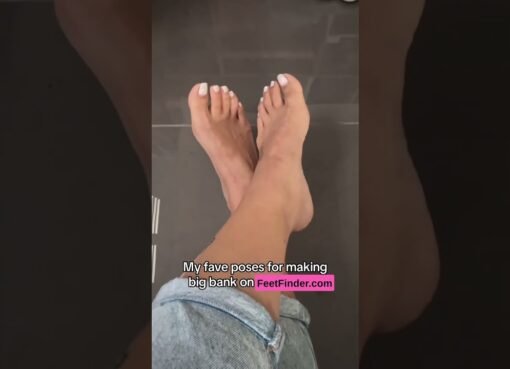
Introduce subtle movement—flexing toes, arch emphasis, or shifting weight—to add life to static images. Experiment with foot placement: crossed toes, pointed arch, or relaxed pose. Variety increases the chance a buyer finds a shot they love.
Post-production basics: color correction, cropping and metadata cleanup
Perform color correction to ensure true-to-life tones, crop for composition, and sharpen selectively. Remove metadata and any hidden location data before uploading. Keep edits natural so buyers aren’t surprised by the real product.
Pricing, Packages, and Monetization Models
Your pricing strategy should reflect quality, demand, and your time. Start conservative, test, and adjust based on buyer response.
Setting per-photo and per-set price benchmarks
Per-photo prices commonly range from modest amounts to premium depending on rarity, style, and exclusivity. Set a baseline that covers your time and costs, and scale up for high-demand angles or themed sets. Watch competitor pricing but don’t underprice; your time and safety are worth protecting.
Creating bundles, subscription tiers and recurring revenue offers
Bundles (10 photos, themed sets) provide higher per-transaction revenue and simplify decision-making for buyers. If you run subscriptions, tier access by exclusivity—standard access, premium sets, and VIP messaging. Combine one-off purchases with subscription perks to cater to both casual buyers and loyal fans.
Custom orders, exclusives and premium pricing strategies
Custom requests command higher prices. Charge premium for exclusivity, prioritized delivery, or extended usage rights. Use clear contracts for exclusives: define what the buyer may do with the content and whether they have ongoing use rights.
Using discounts, promotions and limited-time offers strategically
Use discounts to convert hesitant buyers or to reward repeat customers, but avoid frequent sales that train buyers to wait. Limited-time offers create urgency; loyalty promotions retain customers. Track the effectiveness of any promotion so you know what’s worth repeating.
Upsells: video clips, custom requests, priority delivery and tips
Upsells boost average order value—offer short video clips, custom angles, multiple skin tones or themed sets as paid extras. Provide clear pricing for priority delivery and accepted payment methods for tips. Structure upsells so they’re easy for buyers to add at purchase time.
Safety, Boundaries, and Customer Management
Protecting your wellbeing and time is part of running a sustainable business. Clear policies and consistent enforcement keep relationships professional.
Writing clear boundary and acceptable-request policies on your profile
State upfront what you will and won’t do, delivery expectations, and acceptable content requests. Post your response times and custom-order rules. Clear policies deter bad-faith requests and make enforcement straightforward.
Screening customers and using safe communication templates
Use message templates to handle inquiries professionally: standard responses for custom orders, pricing, and refusal scripts for unwanted requests. Screen customers who request personal contact or unusual content; require prepayment for high-cost custom jobs.
Managing difficult messages and enforcing no-contact rules
Decide on your approach to harassment and enforce it consistently—block, report, and document abusive interactions. Save copies of problematic messages in case a platform requires evidence. If a buyer crosses boundaries, act quickly and use platform tools to protect yourself.
Refund, cancellation and dispute-handling policies
Define refund and cancellation terms before you accept payment. For custom work, require deposits and set clear turnaround windows. Use platform dispute channels when necessary and keep records to support your case. Clear policies lower the chance of chargebacks.
Using platform tools to block/report abusive users and preserve safety
Familiarize yourself with blocking, reporting, and privacy settings on each platform. Use these tools proactively and don’t hesitate to remove repeat offenders. Maintain backups of incident logs for platform support and legal purposes.
Conclusion
You can turn foot photography into a sustainable side hustle if you treat it like a business—plan, protect, and promote.
Summary of practical steps to start and grow a FeetFinder side hustle
Start by choosing the platform that aligns with your goals, verify age and comply with laws, set up finances and recordkeeping, and begin with a minimal, high-quality setup. Brand intentionally, batch content, price thoughtfully, and enforce clear boundaries to build trust and recurring revenue.
Realistic expectations, timelines and common pitfalls to avoid
Don’t expect overnight riches. Building a repeat customer base takes weeks to months. Common pitfalls include underpricing, inconsistent uploads, poor recordkeeping, and lax privacy practices. Focus on gradual growth, reinvest in better production, and maintain safety.
First 30-day action plan: setup, initial content, and first promotion
Days 1–7: Choose platform, verify age, set up business account, and define niche and pricing. Days 8–15: Create a simple style guide, shoot 15–30 images across 3–4 looks, and batch-edit. Days 16–23: Upload curated sets, write clear profile policies, and prepare 2–3 promotional posts for social channels. Days 24–30: Launch a small promotion or introductory bundle, respond to initial inquiries, and track sales and customer feedback. Adjust pricing, content, and promotion based on early results.
Final safety and legal reminders for long-term sustainability
Keep age verification and records secure, follow platform and local laws, separate business and personal identities, and consult professionals when scaling. Your safety and compliance are as important as your earnings—build systems that protect both. With clarity, consistency, and care, you can grow a legitimate, sustainable side hustle selling feet content.


Leave a Comment