FeetFinder Business Guide for Foot Content Creators

FeetFinder Business Guide for Foot Content Creators walks you through turning foot photos into a structured business instead of a quick-money hustle. You’ll get practical steps on business setup, realistic startup costs, branding, and content planning to protect your reputation and income.
The article also explains platform rules, customer boundaries, and ways to scale earnings across sites like FeetFinder and OnlyFans while offering foot content creator tips and adult content entrepreneurship guidance. By following clear boundaries, branding advice, and realistic expectations, you can grow your online creator income safely and professionally.
Platform Overview and Why FeetFinder
FeetFinder is a niche marketplace built specifically for buying and selling foot-focused photos and videos. As a creator, you’ll find features tailored to foot content—profile verification, search categories, and a buyer base that comes to the platform explicitly for this niche—so you don’t have to fight broad-platform noise to be discovered.
What FeetFinder is and how it differs from other platforms like OnlyFans
FeetFinder is focused on foot content, whereas platforms like OnlyFans are multi-purpose and often host a mix of content types including long-form subscriptions and explicit material. You’ll notice FeetFinder emphasizes single-item sales, verified buyer-seller matching, and an environment designed for browsing and discovering foot content specifically. That focus can make it easier for you to reach the right buyers quickly without shelling out for broad promotion or competing with unrelated niches.
Audience demographics and demand for foot content
Demand for foot content spans many demographics—ages typically range from mid-20s to 50s, with international buyers as well as domestic. Many buyers are repeat customers who value consistency and trust, and niche segments (pedicure enthusiasts, ASMR fans, fetish communities) create steady demand. You should expect a mix of casual buyers and collectors; understanding which segment you attract will help you tailor offerings.
FeetFinder’s age verification and safety features
FeetFinder enforces age verification and identity checks to reduce underage participation and scam accounts. As a creator, you’ll be required to submit ID and possibly a selfie for verification, and buyers often need verified accounts to purchase. These measures protect you and help foster a safer marketplace, but you still need to maintain your own safety standards (see sections on privacy and legal compliance).
Fee structure, payouts, and payment methods
Fees and payout timing vary, but FeetFinder typically takes a commission on sales and handles payment processing so you don’t have to manage buyer billing. Payouts are usually sent via standard methods like bank transfer, e-wallets, or other payout rails supported by the platform; fees for chargebacks or transfers may apply. Make sure you review the current fee schedule and payout cadence so you can model realistic income and cash flow.
Pros and cons of using FeetFinder as primary vs supplemental platform
Using FeetFinder as your primary platform gives you focused traffic and built-in buyers without managing a wide social presence, but you may face limits on customization and dependence on the platform’s policies. Using it as a supplemental platform alongside Instagram, TikTok, or a subscription service like OnlyFans allows you to diversify income and funnel followers to exclusive content, but it requires more cross-platform management and marketing effort.
Business Mindset and Goal Setting
Treating foot content as a business means adopting professional habits: tracking income and expenses, planning content strategically, and treating customers respectfully. If you position yourself as a creator-entrepreneur, you’ll make decisions that scale instead of trading time for inconsistent pay.
Framing foot content as a legitimate small business or creator venture
You should create basic business structures—simple bookkeeping, a schedule, and branding—so content production feels repeatable and scalable. Think in terms of products (photo sets, video clips, custom requests), customer service (response time, boundaries), and marketing (organic and paid). This framing helps you make decisions grounded in growth rather than short-term impulses.
Short-, medium-, and long-term financial goals
Set a short-term goal for consistent weekly sales, a medium-term goal for steady monthly revenue (enough to cover specific expenses or a part-time wage), and a long-term goal for revenue that justifies full-time work or investment in new equipment. Break these targets into actionable steps—how many items you must sell, conversion rates you need, and marketing activities to hit milestones.
Defining success metrics beyond income (engagement, retention, brand equity)
Measure success with engagement (messages, likes, comments), retention (repeat buyers), and brand equity (recognition, unique style). These metrics help you understand long-term health: high repeat business and strong engagement often predict steady income even if single-sale prices fluctuate.
Realistic timeline and milestones for growth
Expect a ramp-up period—three to six months of testing, learning, and modest earnings before you reach steady growth. Milestones could include your first 50 sales, consistent weekly buyers, or hitting a target monthly revenue. Use realistic timelines to avoid burnout and to iterate based on what sells.
Common misconceptions and mental prep for customer interactions
Don’t expect overnight riches or that every message leads to a sale. Prepare mentally for entitlement, boundaries testing, and repetitive requests. Establish clear communication templates for common interactions and keep professional distance to protect your time and emotional well-being.
Legal, Safety, and Age-Restriction Compliance
You must follow legal rules around age verification, consent, and local regulations. Staying compliant protects you from account suspension, legal risk, and reputation damage.
Verifying age and identity requirements to remain compliant
Always complete the platform’s identity verification and retain records if required by the platform’s policy. Never accept content or requests from anyone who cannot or will not verify their age. If a buyer’s behavior raises red flags, report and block—they’re not worth the risk.
Understanding platform rules and community standards
Read and follow FeetFinder’s terms of service and community guidelines. Violation can result in removal or loss of pay. Keep updated because rules can change, especially around explicit content, image use, and promotional tactics.
Privacy laws, digital consent, and storing verification documents securely
If you store buyer or creator verification documents, secure them with encrypted storage and limit access. Know the basics of data protection in your jurisdiction—how long you can store personal data, secure disposal, and responding to requests to delete data. Use secure passwords and two-factor authentication on accounts.
Handling requests that violate boundaries or local laws
Have a firm policy for refused requests and a standard message to close conversations. If requests are illegal or could cause legal trouble for you or the buyer where you live, refuse and report to the platform. Trust your instincts and prioritize safety over income.
When to consult a lawyer or tax professional
If earnings grow, if you have complex contracts, or if you’re unsure about local adult-content laws or tax obligations, consult professionals. A tax advisor helps you manage quarterly taxes and deductions; a lawyer can advise on contracts, IP rights, or disputes.

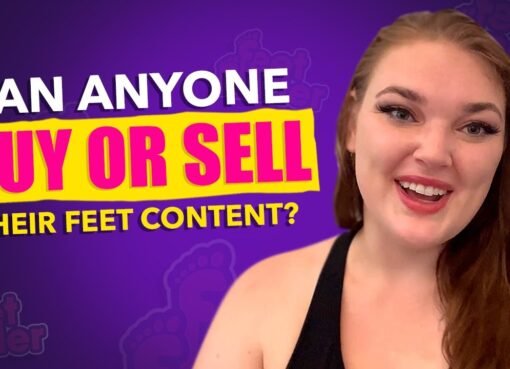
This image is property of i.ytimg.com.
Account Setup and Profile Optimization
The way you present yourself is often the first sale. A clear, attractive profile and strong first impressions will help convert browsers into buyers.
Choosing a professional username and display name strategy
Pick a username that’s memorable, appropriate for the niche, and easy to spell. You can use a stage name to protect privacy. Keep consistency across platforms so followers can find you easily when you cross-promote.
Creating a bio that converts: tone, keywords, and calls to action
Write a concise bio that tells buyers what you offer, your style, and a call to action (e.g., “DM for custom sets” or “New pedicure sets weekly”). Use niche keywords naturally so buyers searching for specific styles or services can find you.
Profile photos, cover images, and first impressions
Use bright, well-composed profile and cover images that showcase quality and your visual style without revealing too much. First impressions are built on clarity and professionalism—good lighting and simple composition go a long way.
Using highlights and presets to showcase best content
Organize your top offerings into highlights or pinned posts so browsing buyers see your best work first. Label sections clearly—“Best Sets,” “Custom Requests,” “Pedicures”—to reduce friction and increase conversions.
Linking other platforms and using link-in-bio tools responsibly
Use link-in-bio tools to route followers to FeetFinder, educational content, or a contact form, but avoid directing users to platforms that violate policies. Keep links updated and consistent with your brand promises.
Branding and Niche Positioning
Your niche and brand identity help you stand out in a crowded field and attract the exact audience willing to pay for your work.
Identifying your niche within the foot content market (pedicure, kink-aware, artistic, ASMR, gaming-foot content like ‘No Hands Allowed’)
Decide whether you focus on aesthetic pedicures, fetish-aware content, artistic/editorial photos, ASMR foot sounds, or playful gaming-foot content like “No Hands Allowed.” Niche clarity helps you attract targeted followers and set pricing aligned with buyer expectations.
Visual identity: colors, fonts, and consistent styling
Choose a color palette, photo filters, and a consistent visual language so buyers recognize your work at a glance. Consistency builds trust and helps you appear more professional, which can justify higher prices.
Voice and persona: playful, professional, educational, or fetish-focused
Adopt a voice that matches your niche—playful for casual audiences, professional for editorial buyers, or more direct and boundary-aware for fetish markets. Keep messaging consistent so buyers know what to expect.
Creating a memorable brand hook or recurring series
A recurring series—weekly pedicure reveals, “No Hands Allowed” charade videos, or themed seasonal shoots—gives buyers reason to return. A memorable hook helps with word-of-mouth and makes marketing easier.
Protecting brand boundaries and handling rebranding
Set clear policies for custom requests and enforce them uniformly. If you need to rebrand, communicate the change across profiles, archive old content thoughtfully, and keep your core audience informed so you don’t lose momentum.
Content Planning and Creative Formats
You’ll sell more when you plan content around buyer preferences, trends, and repeatable formats.
Content pillars: photos, videos, shorts, reels, and behind-the-scenes
Build pillars such as high-quality photo sets, short clips, TikTok-style reels, and behind-the-scenes content that humanizes you. Each pillar serves different stages: attraction (shorts), conversion (exclusive sets), and retention (behind-the-scenes).
Short-form viral ideas (e.g., ‘No Hands Allowed: Can You Guess What My Feet Are Doing?’) and repurposing for platforms like TikTok and YouTube Shorts
Short, playful formats like “No Hands Allowed” challenges or guessing games are ideal for TikTok and YouTube Shorts. Use viral hooks and repurpose clips to drive traffic to FeetFinder, but tailor content to platform rules and avoid explicit material on mainstream social platforms.
Interactive formats: polls, foot charades, Q&As, custom requests
Interactive formats increase engagement and insight into buyer preferences. Polls and Q&As let you test new ideas; foot charades and custom requests can become paid offerings. Use polls to prioritize what to produce next.
Schedules and batching: how to plan shoots and publish consistently
Batch shoots—produce multiple sets or clips in one session—to save time and keep a steady publishing schedule. Create a content calendar and slot in time for editing, captions, and cross-posting so you maintain consistency without daily grind.
Balancing free social content with paid FeetFinder exclusives
Give away high-value but low-cost teasers on social platforms and reserve full sets or custom content for FeetFinder. Free content builds trust and funnels followers, while exclusive content drives revenue.
Photography and Production Essentials
Good production increases perceived value. You don’t need fancy gear to start, but small upgrades pay off fast.
Starter gear list: smartphone recommendations, lenses, tripod, lighting
Start with a recent smartphone with a good camera (iPhone or modern Android), a flexible tripod, a small LED panel or ring light, and optional clip-on macro or wide lenses for variety. These items are budget-friendly and dramatically improve output.
Basic composition and lighting techniques for flattering foot photos
Use soft, diffused light to avoid harsh shadows; natural window light works great. Frame shots with the rule of thirds in mind, keep backgrounds uncluttered, and experiment with angles (top-down, three-quarter, low angle) to find what flatters your feet and showcases details.
Props, backgrounds, and styling for varied looks (pedicure, hosiery, shoes)
Simple props—textured blankets, plants, sandals, hosiery, and polished pedicures—add context and variety. Change backgrounds (wood floor, soft rug, marble tile) to create distinct looks that appeal to different buyer tastes.
Editing workflow and recommended apps for color correction and retouching
Use straightforward editing apps like Snapseed, Lightroom Mobile, or VSCO for color correction and exposure adjustments. Keep retouching natural—buyers often prefer realistic images—while ensuring skin tones and polish colors appear true to life.
Creating consistent presets and file organization
Create presets for your signature look so every shoot has a cohesive aesthetic. Organize files by date and set name, back up originals, and keep a catalog so you can easily find and resell content when needed.
Pricing Strategy and Product Offerings
Your pricing strategy should reflect your niche, quality, and the willingness of your audience to pay.
Deciding between subscriptions, per-item sales, bundles, and custom content
Choose models that fit your workflow: per-item sales for one-off buyers, bundles and packages for higher-value sales, subscriptions for predictable income, and custom content for premium pricing. Many creators combine models to diversify revenue.
How to set introductory vs premium pricing and test value tiers
Start with introductory prices to attract early buyers, then introduce premium tiers for exclusives, faster delivery, or custom work. Test pricing over weeks and track conversion rates—small price increases can significantly boost income if perceived value is maintained.
Crafting clear, tiered packages that reduce friction for buyers
Offer simple packages—basic set, deluxe set (more images + short clip), and custom request package—so buyers can choose quickly. Clear descriptions and included deliverables reduce back-and-forth and increase conversions.
Discounts, limited-time offers, and upsells to increase average order value
Use time-limited discounts to create urgency and bundle deals to increase average order value. Offer add-ons during checkout—extra angles, priority delivery, or exclusive formats—to raise order size without much additional effort.
Refund, revision, and usage policy templates to include in listings
Include concise policies to protect yourself:
- Refund policy: “All sales are final on digital content unless you receive corrupted files. Refunds considered case-by-case within 48 hours.”
- Revision policy: “One minor revision allowed on custom content within 72 hours of delivery.”
- Usage policy: “Content sold for personal use only; redistribution or commercial use is prohibited. Unauthorized sharing will result in legal action.”
Use these templates as starting points and adjust to your comfort level and legal advice.
Marketing, Growth, and Cross-Promotion
Marketing gets buyers to your profile; growth strategies scale your audience and revenue.
Organic growth tactics on TikTok, Instagram, and Twitter using hashtags like #feet #footniche #viral
Create short, engaging clips for TikTok and Shorts, post polished photos to Instagram with niche hashtags, and use Twitter for direct community engagement. Hashtags like #feet, #footniche, and #viral can help, but combine them with niche-specific tags and consistent posting.
Repurposing viral short clips and trends while staying within platform rules
Adapt trending formats to your niche without violating platform content policies—use playful, non-explicit hooks and safe visuals. Repurpose a viral clip into multiple formats: a teaser, a behind-the-scenes version, and a longer paid cut.
Collaborations with other foot creators and cross-promotion strategies
Partner with other creators for joint shoots, shoutouts, or bundle promotions. Cross-promotion expands reach efficiently and can introduce you to engaged buyers who already trust similar creators.
Paid ads considerations and when to invest in promotion
Consider paid ads when you have a tested funnel (teasers leading to conversion) and can afford a customer acquisition cost. Start small with boosted posts or targeted ads on platforms that permit your content style, and measure ROI before scaling.
Leveraging SEO and keywords (selling feet pics on OnlyFans, feet finder business, foot content creator tips) for discoverability
Use relevant keywords in your FeetFinder titles, bios, and post descriptions so buyers searching for specific content find you. Think like a buyer: what phrases would they type? Use those phrases naturally in your copy.
Conclusion
You’ve now got a roadmap: choose the right platform setup, build a clear brand, create consistent content, prioritize safety and compliance, and monetize strategically. Each step compounds—good systems and consistent quality lead to sustainable income.
Prioritizing safety, professionalism, and consistent value delivery
Make safety and professionalism non-negotiable. Clear policies, verification, and consistent product quality build a reputation that attracts repeat buyers and referrals.
Start small, test, and reinvest profits into growth
Begin with modest goals, test what sells, and reinvest earnings into better gear, marketing, or outsourcing tasks that free your time. Small improvements yield big returns over time.
Next steps checklist to launch or optimize a FeetFinder business
- Verify your account and understand platform fees.
- Choose a niche and set up a consistent visual identity.
- Produce a batch of content with presets for consistency.
- Create clear pricing tiers and policy statements.
- Launch on FeetFinder, promote teasers on social platforms, and track metrics.
Encouragement to treat the venture as a sustainable, legitimate business
Treat your foot-content work like any other small business: plan, protect, and iterate. With the right mindset, clear boundaries, and consistent effort, you can build a sustainable creator business that fits your life and goals.


Leave a Comment