Footfluencer Inside Look at Building a Legit Foot Content Business
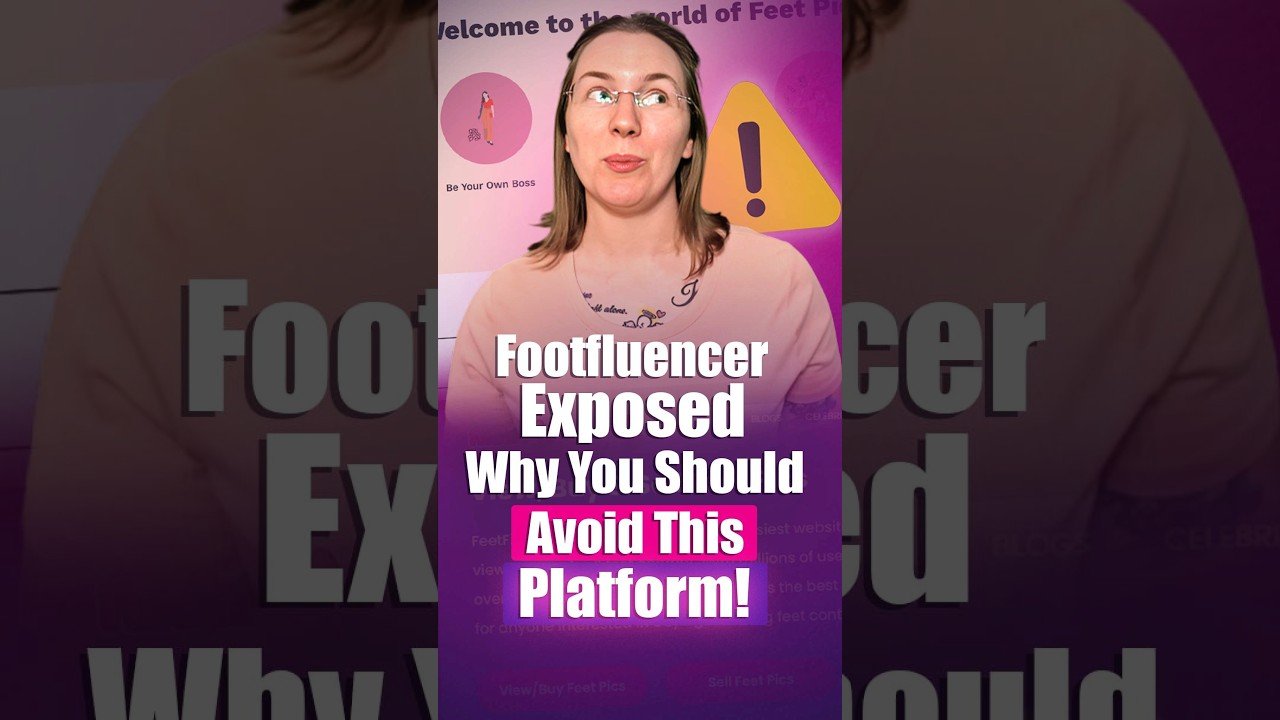
In Footfluencer Inside Look at Building a Legit Foot Content Business, you get a practical roadmap for turning foot content into a real side business. You’ll see an honest perspective that moves away from quick-rich promises toward step-by-step setup, safety, and sustainable growth.
The piece outlines platform choices like FeetFinder and OnlyFans, startup costs, branding, content planning, platform rules, and clear customer boundaries, plus realistic ways to scale income. By following the guide, you’ll understand common misconceptions, how to protect yourself, and what to expect from this niche as a legitimate creator opportunity.
What a Footfluencer Is and Market Overview
A footfluencer is a creator who produces and monetizes content focused on feet—this can include photography, video, styling, tutorials, and niche-focused posts. As a footfluencer you blend content creation with commerce: you build an audience, package content or services, and sell directly or through platforms designed for creators. You’ll see a wide variety of styles and approaches across the niche, from high-fashion pedicure reels to clearly labeled fetish-friendly content.
Definition of a footfluencer and common content types
As a footfluencer, you create content centered on feet and foot care. Common formats include photo packs, custom videos, pedicure and nail-art tutorials, pampering or ASMR-style clips, product reviews (creams, shoes, socks), toe modeling for fashion, and fetish-tailored content where allowed. You’ll choose formats that match your comfort level and audience demand—static images, short-form video, long-form tutorials, and personalized custom requests are all typical.
Size and demographics of the foot-content market
The foot-content market is sizable and fragmented: it spans mainstream beauty and fashion audiences as well as niche fetish communities. Demographics vary by sub-niche—beauty and pedicure content tends to skew toward general consumer audiences interested in self-care, while fetish content often attracts older, predominantly male audiences. Platform analytics will be your best source to understand who follows you; many creators find that a small, engaged base of repeat buyers generates the majority of income.
Distinction between fetish, fashion, and lifestyle foot content
Fetish content is explicitly oriented toward sexual interest in feet and often requires stricter age gating and platform adherence. Fashion and lifestyle foot content focuses on pedicures, footwear styling, and wellness, which is more broadly acceptable on mainstream social platforms. You should clearly label the type of content you create so customers know what to expect and to avoid platform violations or confusing your audience.
Trends shaping demand and seasonality
Demand is shaped by trends in fashion (sandals, toe-ring popularity), social seasons (vacation and wedding seasons increase pedicure interest), and platform fads (viral reel formats). Fetish demand can be more stable year-round but may spike around trends or holidays driven by themed content and promotions. Track searches and follower engagement to spot seasonal patterns—summer months typically raise visibility for foot-focused content.
How platform algorithms and virality affect reach
Algorithms on social platforms can quickly amplify or suppress your reach. Short-form video formats and consistent posting often trigger discovery and virality, helping you build an audience faster. However, algorithmic visibility can be fickle—prioritize a mix of discoverable free content to grow and gated content to monetize, so you’re not entirely dependent on one platform’s algorithm for income.
Reframing Foot Content as a Legitimate Business
You can treat foot content like any other creative business: it requires planning, brand building, consistent delivery, and managing customers and finances. When you adopt a business mindset, you shift from hoping for quick payouts to building repeatable, scalable income.
Moving from hobby to business mindset
Moving to a business mindset means setting goals, scheduling production, documenting processes, and treating your audience as customers. Decide on business hours, response times, and what services you offer. Create SOPs (standard operating procedures) for shoots, editing, and customer interactions so you can scale or hand off tasks later.
Setting realistic income expectations and timelines
Income varies widely: most creators start small and grow over months or years. Expect a ramp-up period where you invest time in audience building and content systems before seeing consistent cash flow. Set modest short-term revenue goals and larger long-term targets, and remember diversified income streams—subscriptions, one-off sales, and custom work—reduce risk.
Common myths and misconceptions debunked
Myths include “you’ll get rich fast” and “anyone can do it without work.” The truth is success requires consistent quality, marketing, boundaries, and customer service. Another misconception is you must reveal your full identity to succeed—many creators protect privacy by using stage names, controlling background details in content, and keeping personal accounts separate.
Ethical considerations and maintaining professionalism
Ethics matter: you should never exploit others, misrepresent your identity or age, or engage in coercive behavior. Maintain professional communication, honor agreements, and refund policies where appropriate. Being professional builds repeat business and protects your reputation within the community and on platforms.
Examples of sustainable business models in the niche
Sustainable models include subscription platforms for steady monthly income, pay-per-download photo packs, custom video commissions, brand collaborations (nail techs, shoe brands), and selling related digital products like photo-editing presets or guides. Bundling and tiered offerings help you monetize both casual fans and high-value repeat clients.
Legal Requirements and Age Compliance
Legal compliance is non-negotiable in adult-adjacent niches. Prioritize strict age verification and record-keeping, respect intellectual property, and understand platform and local laws that apply to adult content to protect yourself legally and financially.
Importance of strict age verification and record-keeping
You must verify the age of any models (including yourself) and keep accurate records where required. Many jurisdictions and platforms mandate retaining ID copies and consent forms. Secure storage, limited access, and clear audit trails help you defend your business if compliance questions arise.
Relevant laws to know including adult-content regulations
Know local laws on adult content, obscenity statutes, and online commerce rules that apply to your location and where customers are based. Some countries have strict restrictions on sexualized content, while others require record keeping for adult performers. Familiarize yourself with laws that affect payment processing, distribution, and advertising.
Model releases, photo rights, and intellectual property basics
Use model releases to document consent and usage rights for any third-party models. Understand who owns content—you or a collaborator—and how licensing works if you sell images or grant commercial rights. Protect your brand and content with clear terms when doing custom work or collaborations to avoid disputes.
When to consult a lawyer and what to ask
Consult a lawyer if you’re launching a business entity, signing brand deals, handling large-scale payouts, or need help with contracts and compliance. Ask about your obligations for record retention, drafting model releases, protecting privacy, and tax consequences for international sales. A short consultation can prevent costly legal errors.
How platforms enforce age checks and what that means for creators
Platforms enforce age checks via ID upload, biometric verification, or third-party verification services. Compliance means you must follow their procedures and maintain documentation. Failure to comply can lead to account suspension and loss of earnings, so always complete verifications accurately and promptly.
This image is property of i.ytimg.com.
Business Structure, Finances, and Taxes
Choosing the right business structure and bookkeeping practices protects your personal assets, keeps your finances organized, and simplifies tax filing. Even as a solopreneur, treating finances professionally makes scaling and compliance easier.
Choosing a business structure and reasons to consider one
Consider forming an LLC or similar entity to limit personal liability and create professional separation between personal and business finances. A formal business structure can also improve credibility with payment processors and partners, and sometimes offers tax advantages.
Basic startup costs and budgeting (equipment, subscriptions, marketing)
Startup costs are typically modest: a decent camera or smartphone, lighting, tripod, props, wardrobe, editing software, and subscriptions to platforms or marketplaces. Budget for marketing (boosted posts, ads), optional studio or rental costs, and routine expenses like skincare or pedicure services.
Banking, payment processors, and platform payout options
Use a dedicated business bank account and choose payment processors that allow adult-adjacent content where applicable. Platforms may offer built-in payout systems—understand payout schedules, fees, and minimums. Diversify payment options (direct transfers, platform payouts, crypto where appropriate) to reduce dependency on a single processor.
Sales records, bookkeeping practices, and tax obligations
Keep clear sales records, invoices, and receipts. Use simple accounting software or a spreadsheet and reconcile regularly. Save receipts for equipment and business expenses to claim deductions. Know your tax obligations: income tax, self-employment tax, and any local sales taxes that apply.
Handling international customers and VAT considerations
Selling to international customers can trigger VAT and other taxes; some platforms handle VAT for digital sales, while direct sales may require you to collect and remit VAT depending on rules in buyer jurisdictions. Understand how platform settings and invoicing affect tax responsibilities and consider consulting an accountant for cross-border sales.
Platform Selection and Comparative Pros/Cons
Choosing platforms requires balancing safety, payout rates, discoverability, and rules enforcement. No single platform is perfect; your strategy should mix marketplaces, subscription platforms, and social networks for promotion.
Overview of FeetFinder, OnlyFans, Patreon, subscription DMs, and marketplaces
Marketplaces like FeetFinder target foot content specifically and often include age gating and buyer-seller tools. OnlyFans is subscription-focused and allows explicit adult content with a large paying audience. Patreon suits creator communities with tiered benefits but restricts explicit content. Subscription DMs and independent marketplaces let you sell directly through messaging or bespoke storefronts. Each has trade-offs in fees, audience, and content rules.
Social platforms for promotion: Instagram, TikTok, Twitter/X, Reddit
Use Instagram and TikTok for visual discovery and short-form virality; they’re great for building an audience but enforce rules on sexual content. Twitter/X allows more permissive NSFW content and direct messaging. Reddit hosts niche communities where you can engage deeply but must follow each subreddit’s rules. Tailor your promotional content to platform norms and don’t violate terms of service.
Key criteria for choosing a platform: safety, payouts, discoverability
Prioritize platform safety (moderation, privacy controls), reliable payouts (frequency, fees), and discoverability (search, recommendations). Also consider community norms: some platforms skew toward fashion, others toward adult audiences. Your comfort level with transparency and how you want to interact with buyers will determine the best fit.
How to diversify across platforms without violating rules
Diversify by using safe, non-explicit promotional content on mainstream platforms to funnel followers to gated platforms that permit more explicit content. Use platform-appropriate language and visuals, avoid direct solicitation where prohibited, and maintain clear links in bios or landing pages that comply with each platform’s policies.
Backup and exit strategies in case of account suspension
Have backups: export your email list, keep copies of content (securely), and maintain alternate platforms or a website under a pseudonym. Clearly document customer contacts (while respecting privacy laws) and maintain emergency savings. If an account is suspended, timely appeals, documented compliance, and alternative revenue channels help you recover faster.
Branding, Niche Positioning, and Persona
Your brand and niche determine who you attract and how much you can charge. Clear positioning and a consistent persona build trust and make your offerings memorable.
Identifying a niche within foot content (artistic, fetish, pedicure, ASMR)
Pick a niche that aligns with your comfort and market demand: artistic foot photography, pedicure and wellness, shoe and sock styling, ASMR foot care, or fetish-specific content. Niching helps you stand out and tailor pricing, message, and marketing to a specific audience.
Choosing a consistent persona and brand voice
Decide how you want to be perceived—playful, professional, educational, or intimate—and keep that voice consistent across captions, messages, and customer interactions. Consistency builds trust and helps customers know what to expect.
Naming, handle selection, and creating a memorable aesthetic
Choose a name and handle that are memorable, easy to spell, and appropriate for the platforms you use. Avoid using your full legal name if you want privacy. A strong aesthetic—consistent colors, styling, and imagery—helps you be recognizable and encourages followers to convert into paying customers.
Visual branding elements: color palette, props, styling cues
Develop a visual toolkit: a color palette, signature props (satin sheets, particular shoe styles), and styling cues (nail color, jewelry) that become associated with your brand. These elements make your content instantly recognizable and save time during shoots.
Building trust and authenticity while protecting personal identity
Be authentic about your boundaries and what you offer, but protect personal details like your full name, home address, and identifiable background. Use stage names, cropped images, neutral backgrounds, and business-only contact information to maintain privacy while being trustworthy.
Content Strategy and Editorial Planning
A clear content plan reduces stress and improves monetization. Treat content creation like a production line: plan, batch, edit, and distribute on a schedule tailored to both free promotion and paid offerings.
Creating a content calendar and batching workflow
Use a content calendar to plan themes, shoots, and promotional cycles. Batch production—shooting multiple looks or videos in one session—saves time and ensures a steady pipeline. Block off editing days and customer-response time to stay consistent.
Mix of free vs paid content and gating strategies
Offer a mix of free content to attract and engage followers and gated content to monetize. Use teasers, samples, and behind-the-scenes clips as free hooks, and gate full photo sets, high-resolution downloads, and custom videos for paying customers.
Productized offerings: photo packs, custom videos, subscription tiers
Productize common requests into fixed-price offerings—standard photo packs, premium bundles, custom video packages, and subscription tiers with escalating perks. Productized services simplify sales and set clear expectations for buyers and yourself.
Seasonal promotions, bundles, and limited releases
Run seasonal promotions around holidays, wedding season, or summer, and create limited-release bundles to drive urgency. Bundles combine older content with new offerings to increase average order value.
Tracking content performance to inform future content
Monitor purchases, engagement metrics, and direct feedback to identify top-performing content. Use those insights to refine themes, timing, and pricing. Small experiments with A/B testing of thumbnails or captions help you optimize performance.
Photography and Video Production Essentials
Quality production elevates perceived value and supports higher pricing. You don’t need pro gear to start, but thoughtful lighting, composition, and styling make a big difference.
Basic gear recommendations for budget and pro setups
On a budget, a recent smartphone, softbox or ring light, a tripod, and a simple reflector are enough. For pro setups, consider a mirrorless camera, multiple lights, macro lens options, and a stable tripod or articulating arm. Good audio gear matters for ASMR or tutorial videos.
Lighting, composition, and angles that sell well
Soft, diffused light flatters skin and textures. Common selling angles include top-down shots, side profile of toes, arches, and close-ups of pedicures. Composition that provides variety—wide lifestyle shots and tight detail shots—helps you create enticing bundles.
Wardrobe, props, and set design for repeatable shoots
Curate a small library of wardrobe pieces (nail polish colors, anklets, socks), props (fabric backdrops, shoes), and set elements that can be mixed and matched. This allows you to create many looks efficiently and maintain a cohesive brand.
Shooting for mobile-first platforms versus higher-resolution marketplaces
For mobile-first platforms prioritize portrait orientation, short durations, and fast hooks. For higher-resolution marketplaces or paid downloads provide high-quality landscape or large-resolution images that buyers expect for clarity and detail.
Tips for efficient solo production and safety while shooting
Use timers, remote shutters, and external monitors to manage solo shoots. Keep safety in mind—avoid unsafe locations or revealing personal backgrounds, and never meet buyers in private without precautions. Share location details with a trusted person if you ever meet in public for promotional work or collaborations.
Editing, Post-Production, and Quality Control
Post-production shapes the final product and should be consistent. Efficient workflows and standards protect your brand and speed up delivery to buyers.
Software options for photo and video editing
Use accessible tools: mobile apps and desktop editors like common photo and video editors for color, cropping, and retouching. Choose software that matches your workflow and budget—many capable free or low-cost options exist for creators.
Consistent editing style and color grading strategies
Develop a consistent editing style—warm vs. cool tones, contrast levels, and saturation—to maintain brand cohesion. Create presets or LUTs to batch process images and videos so everything looks unified.
Watermarking, metadata, and file organization best practices
Watermark previews to protect content posted publicly while keeping full-quality files unwatermarked for buyers. Embed metadata where appropriate and keep a clear folder system with version control and naming conventions to find source files later.
Batch processing, templates, and time-saving presets
Create templates for common deliverables—thumbnails, photo pack layouts, and export settings—to speed up delivery. Batch processing and presets reduce editing time and keep quality consistent across large sets.
Final quality checks and preparing deliverables for clients
Before delivery, check resolution, cropping, color consistency, and that any custom requests are met. Provide clear instructions for downloads and expect a turn-around policy. Fast, accurate delivery builds trust and repeat business.
Conclusion
Building a legitimate foot content business is a process that blends creative production, brand strategy, legal compliance, and solid business practices. With planning, consistent execution, and attention to safety and professionalism, you can grow a sustainable income stream.
Summary of core steps to build a legit foot content business
Core steps include choosing a niche and platform mix, setting up business structures and finances, creating a solid brand, producing consistent high-quality content, and applying robust legal and age-verification practices. Treat every sale and interaction as part of building a long-term business.
Emphasis on safety, professionalism, and long-term planning
Prioritize your safety and privacy, remain professional in all customer interactions, and plan financially and operationally for growth and downturns. This mindset protects your well-being and enhances business sustainability.
Next practical steps: choose platform, create a plan, and start small
Start by choosing one platform that fits your niche, draft a simple content and monetization plan, and produce a few high-quality batches of content. Begin small, track results, and iterate based on data and customer feedback.
Reminder to document finances, protect identity, and set boundaries
Keep accurate financial records, separate personal identity from your public brand, and set clear boundaries with customers about what you will and won’t do. Boundaries protect you and help attract the right clients.
Encouragement to treat the work as a scalable creative business rather than a get-rich-quick scheme
Treat this niche as a creative business: invest in your skills, systems, and brand. Growth takes time but yields a sustainable income if you focus on quality, ethics, and smart business practices. With consistency and care, your footfluencer work can become a reliable, scalable part of your creative career.


Leave a Comment