FeetFinder Guide to Turning Foot Photos into a Sustainable Side Hustle

FeetFinder Guide to Turning Foot Photos into a Sustainable Side Hustle shows how you can build steady income from foot photography while staying safe and professional. This friendly roadmap explains practical steps to set up, price, and protect your content so you feel confident starting from home.
You’ll find clear guidance on business setup, realistic expectations, startup costs, branding, content planning, platform rules, and setting customer boundaries. Practical tips and scaling strategies help turn casual posts into a reliable side hustle without compromising your comfort.
Understanding FeetFinder and the Market
You’re looking at a platform built specifically for buying and selling foot-focused content, and FeetFinder is one of the better-known marketplaces that tries to connect creators with buyers while keeping safety and verification front and center. It offers a marketplace-style experience where buyers browse creator profiles, pay for galleries or custom content, and where creators receive payouts through the platform. FeetFinder emphasizes age verification and moderation to reduce risk for creators and customers alike.
What FeetFinder is and how it protects creators
FeetFinder is a niche marketplace focused on feet content that requires identity and age verification for creators and uses platform moderation to remove problematic listings. As a creator, you benefit from an environment designed for this niche: restricted access, a built-in audience, payment processing, and policies intended to reduce underage or illicit content. The platform’s tools—like profile privacy options, controlled gallery previews, and moderation—are meant to limit exposure to bad actors and give you mechanisms to report abuses.
How the foot-photo market differs from other creator niches
Foot-photo commerce is highly visual and productized: buyers often seek highly specific aesthetics, poses, or themes, and many purchases are one-off images or small bundles rather than long-form recurring subscriptions. The market can be less about personality and long-form interaction (though that can help) and more about consistent visual quality, clear boundaries, and niche positioning. Compared with broader creator niches, this space is more transactional and often requires clearer content licensing and delivery workflows.
Demand drivers: who buys foot photos and why (general categories of buyers)
Buyers fall into several general categories: hobbyists and collectors seeking specific looks or poses; customization seekers requesting bespoke imagery; photographers or artists looking for reference material; and some users who treat it as a fetish purchase. Others may be curious first-timers or people buying gifts. Understanding these categories helps you tailor offerings—some buyers prioritize high production value and exclusivity, others prioritize affordability and volume.
Market size and seasonality considerations
The market is niche but global; exact size is hard to quantify because sales occur across platforms and private transactions, but demand is steady. Seasonality exists—holidays, summer shoe seasons, or trends driven by social media can spike interest. Plan for steady baseline offerings and prepare themed content for predictable peaks (holidays, warm-weather footwear seasons), while monitoring analytics to spot emerging trends.
Comparing FeetFinder to other platforms like OnlyFans, Patreon, and direct sales
Each platform serves different needs. FeetFinder is niche-specific and often easier to discover within that niche; OnlyFans supports subscription models and high-interaction creators and can host adult content more broadly; Patreon suits creators focused on sustained patronage and tiered rewards; direct sales (your own website or private messaging) give you complete control but require you to build and maintain traffic and payment infrastructure. Choose based on whether you want niche discovery, subscription stability, community features, or full control.
Legal, Age, and Safety Considerations
You must prioritize legal compliance, identity verification, and your personal safety when selling foot content. These aren’t optional—following laws and platform rules protects your earnings and reputation. Keep careful records, set clear boundaries, and don’t ignore warning signs of exploitative behavior.
Confirming age requirements and identity verification best practices
Always verify that you and any models are legally adults. Follow platform-required identity checks and keep copies of any IDs and verification records as required. Use platform verification tools rather than ad-hoc methods when possible. Never falsify IDs or attempt to circumvent verification; doing so risks legal consequences and permanent bans.
Record-keeping and consent documentation to protect yourself
Keep organized records of sales, customer communications, model releases, and proof of age. Use simple written consent forms or model release templates for anyone appearing in content, and timestamp your records. Store sensitive documents securely—with encrypted backups—and limit access. Good record-keeping defends you if disputes arise or if you must demonstrate compliance with laws or platform policies.
Avoiding illegal or exploitative activity and recognizing red flags
Refuse requests that are illegal, exploitative, or make you uncomfortable. Red flags include insistence on skipping platform safeguards, attempts to identify you personally, pressure to do illegal acts, or requests for content involving minors or violence. Block, report, and document abusive customers. Your safety and legal compliance come first—turn down any request that crosses your boundaries.
Understanding platform terms of service and local laws
Read FeetFinder’s terms of service and community guidelines carefully and keep up with updates. Also understand local laws about sex work, adult services, taxes, and online commerce in your jurisdiction—some regions restrict certain types of content or have specific taxation or business registration requirements. Compliance reduces risk of account suspension and legal trouble.
When to consult a lawyer or legal advisor
Consult a lawyer when you’re unsure about a custom request, complex licensing scenarios, tax obligations, or local regulations that affect your business. If you plan to scale, hire contractors, or create a separate business entity, legal and tax advice will protect you and can save money and headaches later.
Setting Up Your FeetFinder Account for Success
A professional setup boosts trust and conversion rates. Think of your account like a storefront: organization, clear messaging, and compliant visuals make buyers more likely to purchase.
Creating a professional profile that balances privacy and trust
Use a profile photo that represents your brand without revealing personal identity if you value privacy. Provide contact preferences, clear response times, and an approachable tone in your descriptions. Be upfront about what buyers can expect and how they receive content. Professionalism builds trust quickly.
Completing verification steps and choosing appropriate display settings
Complete all verification steps promptly—verified accounts convert better and face fewer trust barriers. Choose display settings that balance exposure and privacy: decide whether to show content previews, blur thumbnails, or hide your profile from search engines. These choices influence who finds you and the type of inquiries you receive.
Writing a clear, enticing bio and service descriptions
Write a short, clear bio that states what you offer, your aesthetic, turnaround times, and boundaries. Service descriptions should detail what buyers receive (number of photos, resolution, whether edits are included), delivery timeline, and pricing. Be specific to reduce back-and-forth and ensure buyers know what they’re buying.
Selecting profile photos and sample images that are platform-compliant
Choose samples that entice without violating platform rules—tasteful, well-lit shots that demonstrate your style. Use cropped or partial images as previews if you prefer to keep some content gated. Avoid sexual explicitness if platform policies restrict it; you can still be suggestive and professional without breaking rules.
Organizing galleries, custom offers, and FAQ sections for buyers
Organize galleries by theme, style, or price tier so buyers can easily find what they want. Create reusable custom offer templates for common requests and a concise FAQ covering payment, delivery, refunds, and content usage rights. Efficiency here reduces friction and increases conversions.

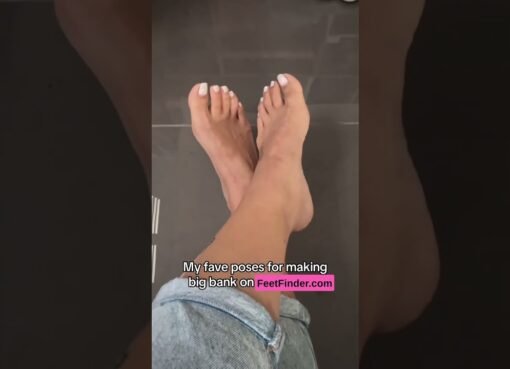
This image is property of i.ytimg.com.
Branding and Niche Positioning
Successful creators differentiate themselves. Decide what makes your content unique and communicate it consistently so buyers remember you and return.
Defining your unique selling proposition or niche (e.g., clean aesthetic, painted nails, themed content)
Identify what sets you apart—maybe you focus on a clean, minimalist aesthetic, colorful nail art, roleplay themes, or shoe- and sock-focused shoots. Your USP should solve a buyer need or match a specific preference. Lean into one or two niches at first to build a recognizably consistent catalog.
Choosing a creator name and visual style that are memorable and searchable
Pick a creator name that’s easy to remember, pronounce, and search for, while maintaining privacy. Align your visual style—colors, fonts, composition—with your niche so your profile and content feel cohesive. Consistency helps you become recognizable across platforms.
Developing consistent visual branding: colors, backdrops, props
Choose a palette and a small set of backdrops and props that work for most shoots to maintain a consistent look. Reusable props and neutral backdrops reduce prep time while making content look polished. Small touches—matching nail colors, consistent lighting—create a signature style.
Crafting a content voice and boundaries statement for customers
Write a friendly but firm boundaries statement that sets expectations about acceptable requests, turnaround times, and privacy. Maintain your brand voice—playful, professional, or clinical—so customers know how you’ll communicate and what behavior you expect.
Positioning for premium vs. volume-based customers
Decide whether you want to target premium buyers who pay more for exclusivity and customization, or volume-based buyers who buy frequently at lower prices. You can mix strategies—offer premium bespoke services plus affordable bundles—to diversify income.
Equipment, Studio Setup, and Photo Production
You don’t need pro gear to start, but a few key items improve image quality and buyer perception, which can justify higher prices.
Essential gear: phone vs. camera, lenses, tripods, lighting, reflectors
A recent smartphone with a good camera is often sufficient. If you upgrade, consider a mirrorless camera and a macro or portrait lens for sharper detail. Tripods, remote triggers, and basic continuous lighting or a ring light stabilize and brighten shots. Reflectors soften shadows and improve skin tone for consistent results.
Affordable props and backdrops that elevate perceived value
Use clean towels, textured fabrics, faux fur, simple wooden boards, or colored paper as backdrops. Small props—jewelry, ankle chains, shoes, or themed items—add storytelling value. These inexpensive items raise production value much more than expensive gear alone.
Basic foot photography composition and framing tips (lighting, angles, focus)
Use soft, even lighting and shoot from flattering angles: slightly above for full foot shots, side profiles for arch detail, close-ups for toes or nail work. Keep focus sharp on the most important area, maintain clean backgrounds, and vary composition to create a diverse gallery. Avoid harsh shadows and over-editing.
Hygiene, presentation, and styling tips to maintain buyer confidence
Good hygiene is essential: clean skin, maintained nails, moisturized feet, and appropriate nail polish or trims if that’s part of your niche. Presentation signals professionalism and encourages repeat business. If you offer themed looks, pre-plan styling so all details match the concept.
Batch-shoot workflows to maximize efficiency and consistency
Batch similar shots in one session—different angles, lighting tweaks, and props—so you create a library quickly. Label files clearly, apply consistent edits via presets, and store raw files for custom requests. Batching reduces setup time and keeps your feed regularly updated.
Content Planning and Workflow Management
Regular, organized content makes your profile reliable and scalable. Treat content like inventory you manage.
Creating a content calendar and scheduling regular uploads
Plan weekly or monthly shoots with a calendar outlining themes, props, and posting dates. Scheduling keeps your audience engaged and ensures you always have fresh offerings. Regular uploads help with platform visibility and buyer trust.
Deciding on content types: stills, sets, short videos, behind-the-scenes
Diversify with single stills, themed sets, short videos showing movement or different angles, and tasteful behind-the-scenes clips to build personality. Different formats appeal to different buyers and let you test what sells best.
Batch production, edits, and using templates to speed delivery
Use editing presets and templates for common sizes and watermarking if you watermark previews. Batch-edit similar photos to maintain style and speed up delivery. Templates for custom offers and replies cut down on messaging time.
Naming and tagging files for quick retrieval and client customization
Use clear file names and tags (e.g., “red-nails_sidearch_01.jpg”) so you can quickly retrieve and assemble custom orders. Well-organized metadata reduces delivery time and prevents mistakes.
Using simple project management tools to track orders, requests, and deadlines
Use lightweight tools—spreadsheets or simple task apps—to track orders, deadlines, and revisions. Record buyer preferences and past purchases so you can offer tailored upsells and maintain a professional workflow.
Pricing and Monetization Strategies
Pick models that match your time commitment, demand, and comfort level. Diversifying revenue streams reduces risk.
Pricing models: per-photo, bundles, subscriptions, custom content, tips
Common approaches include per-photo pricing, themed bundles, subscription access to galleries, and higher-priced custom content. Tips and add-on services (express delivery, exclusive rights) supplement income. Test what customers respond to and adjust.
How to set introductory vs. premium pricing and when to raise rates
Start with introductory offers to build reviews and momentum, then gradually increase prices as demand grows or as you add premium features. Announce price changes transparently and grandfather existing customers if necessary to maintain goodwill.
Packaging ideas and upsells to increase average order value
Offer tiered bundles (basic, deluxe, exclusive) and upsells like extra angles, videos, or priority turnaround. Limited-run exclusives or short-term discounts create urgency and higher conversions.
Handling custom requests, licensing, and resale rights
Clarify whether buyers purchase personal use only or exclusive rights. Charge more for licensing or resale rights and put terms in writing. For custom content, require payment up front or a deposit to protect your time and effort.
Managing refunds, cancellations, and dispute resolution policies
Define a clear refund and cancellation policy in your profile and FAQ. Use messaging trails and timestamps to document agreements. Offer small fixes rather than full refunds when appropriate, and escalate disputes through platform channels if needed.
Platform Rules, Policy Compliance, and Account Health
Following rules protects your account and income. Stay proactive about security and policy compliance.
Key FeetFinder policies to follow to avoid bans and strikes
Comply with age verification, content standards, and community guidelines. Avoid prohibited content and behaviors—these rules are there to protect creators and buyers. Familiarize yourself with strike systems, takedown processes, and reporting channels.
How to create content that complies with social platforms used for marketing (TikTok, Instagram, YouTube Shorts)
When marketing on mainstream platforms, keep content non-explicit and adhere to community guidelines: use suggestive rather than explicit imagery, focus on lifestyle or behind-the-scenes content, and avoid linking directly to mature marketplaces where platform rules forbid it. Use your platform bios and safe linking strategies consistent with each service’s rules.
Reporting and responding to harassment, abuse, or policy violations
Use platform tools to report harassment and save all relevant messages. Block abusive users and escalate persistent issues to support. Document incidents and maintain copies of threatening or harassing communications.
Maintaining account security: two-factor authentication and password hygiene
Enable two-factor authentication, use unique strong passwords, and consider a password manager. Regularly review connected apps and revoke access for unused integrations. Security minimizes risk of account takeover and financial loss.
Monitoring account metrics and reacting to policy-driven changes
Track metrics—views, conversions, message response times, and revenue—to spot trends and adapt. When platforms change policies, act quickly to update your content, descriptions, or workflows to remain compliant and protect your account health.
Marketing and Audience Growth
Growth combines good SEO, consistent content, safe cross-promotion, and community engagement. Test channels and scale what works.
Organic growth tactics: SEO for FeetFinder profile, hashtags, and keywords
Use relevant keywords and clear service descriptions so buyers can find you. Choose searchable terms that match buyer intent and include them naturally in your bio, gallery names, and FAQs. Hashtags on other platforms help discoverability—pick a mix of broad and niche tags.
Using short-form video (TikTok, YouTube Shorts, Reels) to drive traffic without violating rules
Create short, non-explicit videos showcasing styling, behind-the-scenes, or footwear transitions that hint at your niche. Use platform trends and sounds to boost visibility, and keep calls-to-action within platform rules—direct viewers to your safe landing pages or profile handles rather than explicit marketplaces when prohibited.
Cross-promotion across platforms and safe linking strategies
Cross-promote across anonymous or branded accounts on different platforms to funnel interest. Use a single, safe landing page or handle as a hub to avoid breaching platform rules. Maintain consistent branding and messaging so followers recognize you.
Collaborations, shoutouts, and community engagement to expand reach
Partner with other creators for shoots, shoutouts, or joint promotions to tap into similar audiences. Engage in creator communities, respond to comments, and provide value—this builds goodwill and organic referrals.
Paid advertising options and promotional tests to scale reach responsibly
If you use paid ads, test small budgets and creatives, and ensure ads comply with ad platform policies. Many mainstream ad platforms restrict explicit adult content, so design ad creative to be non-explicit and focus on lifestyle or artistry when promoting your brand.
Conclusion
You can turn foot photos into a sustainable side hustle by combining professional setup, strong boundaries, smart marketing, and legal compliance. Treat it like a business: plan, track, and iterate.
Summary of key steps to turn foot photos into a sustainable side hustle
Start by verifying age and completing platform verification, build a clean and consistent brand, create high-quality content with reliable workflows, set clear pricing and boundaries, and promote yourself safely across platforms. Keep records, follow the rules, and prioritize safety.
Emphasis on safety, compliance, and professional practices as foundations for longevity
Safety and compliance protect your income and reputation. Follow platform policies, local laws, and your own boundaries; document everything and keep communication professional. Those practices are the foundation of a long-term, repeatable business.
Encouragement to start small, test, and iterate based on data and feedback
Begin with a manageable schedule and a small set of offerings, measure what sells, and scale what works. Use feedback and sales data to refine pricing, content styles, and marketing channels.
Final suggestions for next actions: set up account, create a week-long content plan, and establish pricing
Take three immediate steps: set up and verify your FeetFinder account, draft a week-long content plan (themes, props, and shooting days), and choose an introductory pricing structure with clear add-ons. Track results and adjust after your first sales.
Resources and continuing education suggestions: creator communities, legal/tax advisors, and photography tutorials
Join creator communities for peer support and idea exchange, consult a tax advisor or lawyer for business setup and compliance, and study basic photography and editing tutorials to raise production value. Continuous learning will help you refine your brand and grow sustainably.
Good luck—you’ve got a clear roadmap. Start deliberately, protect yourself, and iterate based on what your audience responds to.


Leave a Comment