FeetFinder Guide for Selling Feet Pictures Professionally
FeetFinder Guide for Selling Feet Pictures Professionally helps you turn foot photography into a legitimate, safe income stream from home. It explains how FeetFinder and similar platforms use age verification and seller protections so you can build confidence while creating content.
You’ll find clear sections on setting up the business, debunking common myths, estimating startup costs, building a brand and content plan, and navigating platform rules and customer boundaries. Practical tips for scaling income and realistic expectations for selling feet pics on FeetFinder, OnlyFans, and other creator platforms are included.
Overview of FeetFinder as a Platform
FeetFinder is a niche marketplace built specifically for buying and selling foot-focused content, and it’s designed to make that exchange straightforward and relatively private. As a seller, you create a profile, verify your age and identity, upload content or accept custom requests, and set prices for images, videos, or subscriptions; buyers browse, pay, and access content through the platform’s system. The focus on feet helps match supply and demand quickly, and the interface centers on media-sharing, messaging, and secure payments so you can concentrate on creating.
What FeetFinder is and how it works
FeetFinder connects creators who want to sell foot content with buyers who want to purchase it, using an internal messaging and storefront model. You list single images, bundles, videos, or custom offerings, and buyers pay through the site; the platform handles payouts and typically takes a commission. Verification steps and content tagging help maintain trust and searchability, so buyers can find the types of feet content they want and you can control how you present and price your work.
How FeetFinder compares to other platforms like OnlyFans
Compared with broader platforms like OnlyFans, FeetFinder is niche-specific and buyer-focused, meaning less noise and more targeted traffic if your content is feet-related. OnlyFans can support a wider variety of adult and non-adult content and offers subscription-based earnings and direct messaging, while FeetFinder may be better for pay-per-item sales, protected content purchases, and a community expecting foot-focused content. Your choice depends on whether you want a specialized marketplace or a multipurpose platform with broader monetization tools.
Core audience and buyer intent on FeetFinder
Buyers on FeetFinder are typically specifically seeking foot content, which results in higher intent and clearer purchasing behavior than on general social platforms. Many buyers are looking for curated, niche material — clean pedicure shots, fetish-specific poses, custom requests — and are willing to pay for quality, exclusivity, or personalization. Understanding that intent lets you tailor product types and pricing to meet demand.
Pros and cons of using a niche platform for foot content
Using a niche platform gives you concentrated exposure to the right buyers, potentially higher conversion rates, and a community that understands your product. The downsides are limited audience diversity and platform-dependency: traffic is smaller than mainstream social sites, and relying on one marketplace creates single-point-of-failure risk if rules or algorithms change. Balancing niche platforms with other sales channels reduces those cons.
Safety features, age verification, and platform reputation
FeetFinder emphasizes safety with mandatory age verification and identity checks before allowing sellers to post for sale, and usually offers reporting systems, moderation, and secure payment processing. Its reputation among creators tends to reflect those protections, but you should still follow strict personal safety protocols: avoid sharing identifying information in public content, keep verification documents private, and use platform-built tools to block or report abusive buyers.
Adopting a Business Mindset
Treating your foot-content efforts like a business helps you stay organized, sustainable, and scalable rather than chasing fast-money impulses that burn out quickly. You become a creator and entrepreneur — setting goals, measuring outcomes, and reinvesting profits into better equipment, marketing, or diversified offerings so your income can grow over time.
Treating selling feet pictures as a legitimate small business
When you treat selling feet pics as a business, you track income and expenses, document processes, set customer service standards, and maintain records for taxes. You decide on brand identity, pricing, and growth plans rather than posting randomly. That professionalism increases buyer trust, improves repeat sales, and makes scaling possible.
Setting measurable goals and realistic side hustle expectations
Set specific, measurable goals like monthly revenue targets, number of new buyers per month, or conversion rates from messages to sales. Be realistic: growth takes time and consistency; early income may be small but predictable if you keep a posting schedule, test pricing, and refine offerings based on buyer feedback.
Time management and creating a work schedule
Create a schedule that fits your life: block time for shoots, editing, messaging buyers, and admin tasks. Batch production and set specific hours for responding to messages to avoid burnout and maintain boundaries. Treating customer support and content creation as distinct tasks helps you stay efficient.
Identifying startup costs and break-even planning
Startup costs are usually modest: a good phone or camera, lighting, simple props, pedicure supplies, and any subscription fees. Calculate a break-even point by summing these costs and estimating how many sales you need at your chosen price points to recoup them. That planning helps you price strategically and set sensible financial expectations.
Documenting processes for repeatability and scaling
Document how you shoot, edit, list, and fulfill orders so you can repeat results and delegate later if needed. Templates for messages, a standard editing preset, and a shoot checklist save time and create a consistent product, which is crucial if you scale or collaborate with others.
Legal, Age Verification and Policy Compliance
Complying with laws and platform rules protects you from liability and keeps your business sustainable. Be proactive about documentation, age verification, and content policies to avoid takedowns, payment freezes, or legal trouble.
Confirming legal age and maintaining proof of age documentation
Always confirm you and anyone appearing in content are of legal age in your jurisdiction and maintain clear proof of age documentation stored securely but available if needed. Many platforms require ID verification; keep those records private and only share them through platform-provided secure channels.
Understanding FeetFinder terms of service and community guidelines
Read and re-read FeetFinder’s terms of service and guidelines so you know what content is allowed, what behavior is prohibited, and how disputes or reports are handled. Following platform rules reduces risk of account suspension and helps you design offerings that won’t run afoul of moderation.
Complying with local laws regarding adult content and online sales
Check local laws about selling adult-oriented content, taxes on online income, and any necessary business registrations. Laws vary widely by location, and being compliant prevents fines or forced account closures. If you sell internationally, be aware of buyer-side restrictions too.
Protecting against copyright and intellectual property problems
Only use images, music, or props that you own or have the rights to use; avoid copyrighted backgrounds or stock images without licenses. Watermarking and metadata can help prove ownership, but properly documenting original files and timestamps is better protection if disputes arise.
When to consult a lawyer for contracts or complex legal issues
If you’re dealing with higher revenues, custom agreed services, brand partnerships, or complex intellectual property issues, consult a lawyer. Legal help is also wise if you receive cease-and-desist notices or face cross-border tax questions. Early legal advice can save you significant trouble later.

This image is property of i.ytimg.com.
Setting Up Your FeetFinder Account Professionally
A polished account increases trust and sales. Small details — clear verification, high-quality profile images, a well-written bio, and secure payouts — make buyers comfortable and streamline transactions.
Step-by-step account creation and verification tips
Create your account using a professional username and complete every verification step required by FeetFinder, including ID checks and verification selfies if requested. Use a business-focused email address rather than a personal one, and fill out all profile fields clearly to improve discoverability and buyer confidence.
Best practices for a professional profile photo and cover images
Choose a clean, friendly profile photo that represents your brand without revealing too much personal identity; a tasteful close-up of feet or an abstract brand image works well. Your cover image should communicate your niche visually — consistent color, style, and lighting help set buyer expectations immediately.
Writing a clear, attractive bio that sets expectations and boundaries
Write a concise bio that explains what you offer, your content style, pricing basics, and any strict boundaries (no explicit content, no nudity, no in-person meetings). Clear expectations reduce awkward messages and help filter serious buyers.
Configuring payment settings and proven payout methods
Set up your preferred payout methods early and verify them so you can withdraw earnings without delay. Familiarize yourself with payout schedules, minimum withdrawal amounts, and any fees the platform or payment provider charges; this prevents surprises in your cash flow.
Account privacy settings and two-factor authentication
Use two-factor authentication and privacy settings to protect your account and personal information. Keep your identity documents secure, avoid embedding identifying details in media, and consider using a business bank account or payment method to separate personal finances.
Branding and Niche Positioning
Strong branding helps you stand out and attract the right buyers consistently. Even for a small foot-content business, a clear niche and consistent visual presentation increase perceived value and allow you to charge more.
Choosing a memorable username and brand identity
Pick a username that’s easy to remember, relates to your niche, and is consistent across platforms if you plan to cross-promote. Build a simple brand identity — a tone, color palette, and style — that you use on thumbnails, profiles, and messaging to appear cohesive and professional.
Defining your niche: clean pedicure, athletic feet, toe-ring, fetish-specific vs mainstream
Decide whether you’ll aim for mainstream buyers (pedicure shots, lifestyle) or fetish-specific niches (specific poses, sensory themes). You can specialize (athletic feet, toe-ring focus) or blend niches carefully; clarity attracts buyers who want exactly what you offer and reduces wasted messages.
Consistent visual style: colors, fonts, and thumbnail approach
Use consistent backgrounds, lighting, and color tones so your feed looks curated; consistent thumbnails and font choices for any promotional images help buyers instantly recognize your content. Visual consistency speeds buyer decisions and builds brand recognition.
Using keywords like feet finder business and foot content creator tips in profile and tags
Naturally include search-friendly keywords in your bio and tags so buyers who search phrases like feet finder business or foot content creator tips can discover you more easily. Use accurate tags for style, color, and content type to match buyer searches.
Setting boundaries and clearly communicating content limits to buyers
State what you will and won’t do up front — types of content you don’t accept, no in-person meetings, no revealing personal info — and reiterate boundaries in order conversations. Clear communication protects your safety and prevents misunderstandings that could escalate.
Equipment and Workspace Essentials
You don’t need professional studio gear to start, but some basic, reliable equipment and a tidy workspace make a big difference in quality and efficiency.
Affordable camera and smartphone tips for high-quality shots
Modern smartphones often have excellent cameras; learn to use portrait mode, manual exposure, and HDR features to capture sharp images. If you invest in a camera, a mirrorless or compact DSLR with a prime lens gives crisp detail. Stabilize with a tripod or phone mount to avoid blur.
Lighting solutions: natural light, ring lights, softboxes and reflectors
Natural light is flattering and free — shoot near a window with diffused light when possible. For consistency, modest investments in a ring light or softbox create even lighting; reflectors bounce light into shadows for more dimensional images. Consistent lighting helps establish your visual brand.
Essential props and backgrounds for consistent aesthetics
Choose a few interchangeable backgrounds (neutral sheets, textured rugs, wooden floors) and props (sandals, jewelry, pedicure tools) that suit your niche. Keeping a set of go-to props and surfaces speeds setup and maintains visual consistency across shoots.
Grooming, pedicure, nail art supplies and hygiene best practices
Keep grooming supplies on hand: clippers, files, cuticle tools, polish, and cleaning materials. Prioritize hygiene and presentation; buyers pay extra for well-groomed, clean feet with attractive nail art or pedicures. Regular maintenance saves time before shoots.
Workspace organization for batching content and saving time
Designate a clean, clutter-free workspace where you can shoot, edit, and store props. Organize equipment and presets so you can batch multiple sessions efficiently and reduce setup time; a consistent workflow enhances productivity and content volume.
Photo and Video Content Planning
Planning is essential for consistent sales. Diverse content types and a content calendar help you stay fresh and respond to buyer trends.
Types of content: photos, short videos, reels and BTS clips
Mix still photos, short looped videos, reels or short-form clips, and behind-the-scenes content to give buyers options. Videos often command higher prices and feel more personal; BTS clips build trust and encourage repeat purchases by showing authenticity.
Planning shot lists, themes, and moodboards ahead of shoots
Create a shot list and moodboard before each shoot so you capture a consistent set of images that can be sold individually or bundled. Themes help you target specific buyer preferences and make the editing process faster.
Batching sessions: how to shoot a week’s or month’s content in one session
Batch multiple outfits, angles, and backgrounds in one longer session to create a week’s or month’s worth of content. Batch editing afterward, using presets and templates, multiplies your productivity and keeps your storefront regularly updated.
Capitalizing on trends and challenges (example: no-hands challenge, viral short formats)
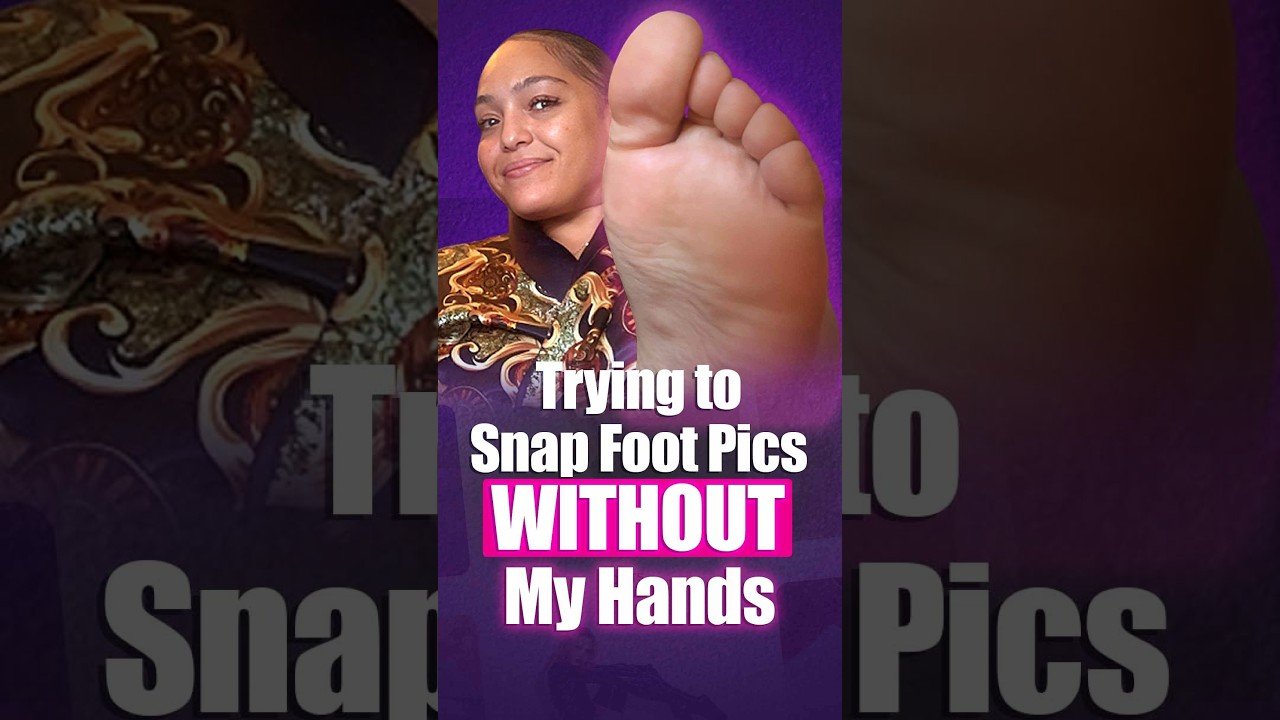
Use trending challenges — like the no-hands challenge referenced in viral shorts — and popular short-form formats to increase discoverability on social platforms and drive traffic to your FeetFinder profile. Adapt trends to match your brand and maintain boundaries when participating.
Seasonal and holiday content ideas to boost discoverability
Seasonal themes (summer toes, holiday nail art, Valentine’s color palettes) are an easy way to refresh your offerings and prompt buyers to purchase themed bundles. Limited-time seasonal packages create urgency and boost sales around holidays.
Photography Techniques and Editing Workflow
Good technique and an efficient editing workflow make your content look professional and save hours over time. Small technical choices deliver major perceived value increases.
Composition, angles, and posing specific to feet photography
Experiment with angles — top-down, three-quarter, side profiles, and close-up detail shots of toes or arches — to showcase different features. Posing matters: relaxed toes, flexed arches, and props like sandals or sheets add context. Frame images so the foot is clearly the subject and visually balanced.
Camera settings and phone tips for sharp, flattering images
Use a moderate aperture for depth of field, steady the camera, and prioritize sharp focus on nails or key details. On phones, tap-to-focus and lock exposure, avoid digital zoom, and shoot in good light for best results. Shoot RAW if your device supports it to retain editing flexibility.
Basic retouching and color correction best practices
Do light retouching for skin smoothing, spot removal, and color balance, but avoid over-editing that looks unnatural. Correct white balance, tweak contrast and saturation, and remove temporary blemishes. Consistency across images is more valuable than drastic edits.
Creating and using editing presets for consistency and speed
Create one or more editing presets for color grading and apply them across batches to maintain a cohesive feed and speed up workflow. Presets save time and help buyers recognize your signature style.
Watermarking strategy and resizing for different platform requirements
Use subtle watermarks on previews to deter theft while preserving image aesthetics, and keep high-resolution originals for paid delivery. Resize and export images for different platform requirements so your content looks optimal whether on FeetFinder, social media, or private delivery.
Pricing Strategy and Monetization Models
A thoughtful pricing strategy maximizes income and matches buyer expectations. Diversify revenue streams and test prices to learn what converts best.
Setting single-image prices vs bundle pricing and package deals
Offer single-image pricing for impulse buyers and curated bundles for better per-item revenue. Bundles can be themed, time-limited, or tiered; buyers often perceive bundles as better value and they increase average order size.
Subscription models, tips, and pay-per-view content approaches
If FeetFinder supports subscriptions or you use other platforms like OnlyFans for recurring income, consider a subscription for regular updates and exclusive content. Combine subscriptions with pay-per-view or one-off custom commissions for flexible income.
Pricing custom orders and premium content (video, roleplay requests)
Charge more for custom content, videos, or roleplay-style requests that require extra time, props, or editing. Clearly state turnaround times and revision policies; premium pricing should reflect time and effort plus exclusivity.
Promotions, limited-time offers and loyalty discounts to retain buyers
Use limited-time discounts, holiday bundles, and loyalty discounts to convert first-time buyers and keep repeat customers. Reward repeat buyers with early access or small freebies to encourage long-term relationships.
Revenue diversification: selling across FeetFinder, OnlyFans, private marketplaces and direct sales
Avoid relying on a single platform: sell on FeetFinder and consider complementary channels like OnlyFans, private messaging, or your own direct sales for exclusive work and different revenue models. Diversification reduces risk from policy changes and opens multiple income streams.
Conclusion
Getting started on FeetFinder professionally means treating content creation like a small business: prepare, protect, and plan so you can earn steadily and safely. With consistent branding, clear boundaries, and an organized workflow, you can grow from casual posts into a reliable income source.
Actionable next steps checklist to start selling on FeetFinder professionally
Create a FeetFinder account with a business email and complete verification; choose a clear brand name and profile image; plan a batch shoot with themed bundles; set prices for singles and bundles; enable secure payouts and two-factor authentication; and document your workflow for future replication.
Key reminders: safety, legality, boundaries and consistency
Always put safety first: keep personal info private, verify ages, and follow platform rules and local laws. State boundaries clearly to buyers and remain consistent with posting and communication to build trust and repeat business.
Long-term mindset: treat this as a scalable micro-business
Think long-term: reinvest in better gear, expand offerings, track performance metrics, and consider outsourcing editing or customer service as revenue grows so you can scale without burning out.
Suggested resources for continued learning and community support
Stay engaged with creator communities, practice photography and editing regularly, follow trends responsibly, and seek out educational content about online entrepreneurship and tax compliance to keep your feet-finding business smart, safe, and sustainable.


Leave a Comment