FeetFinder and Microtasking Guide to Building a Safe Side Hustle
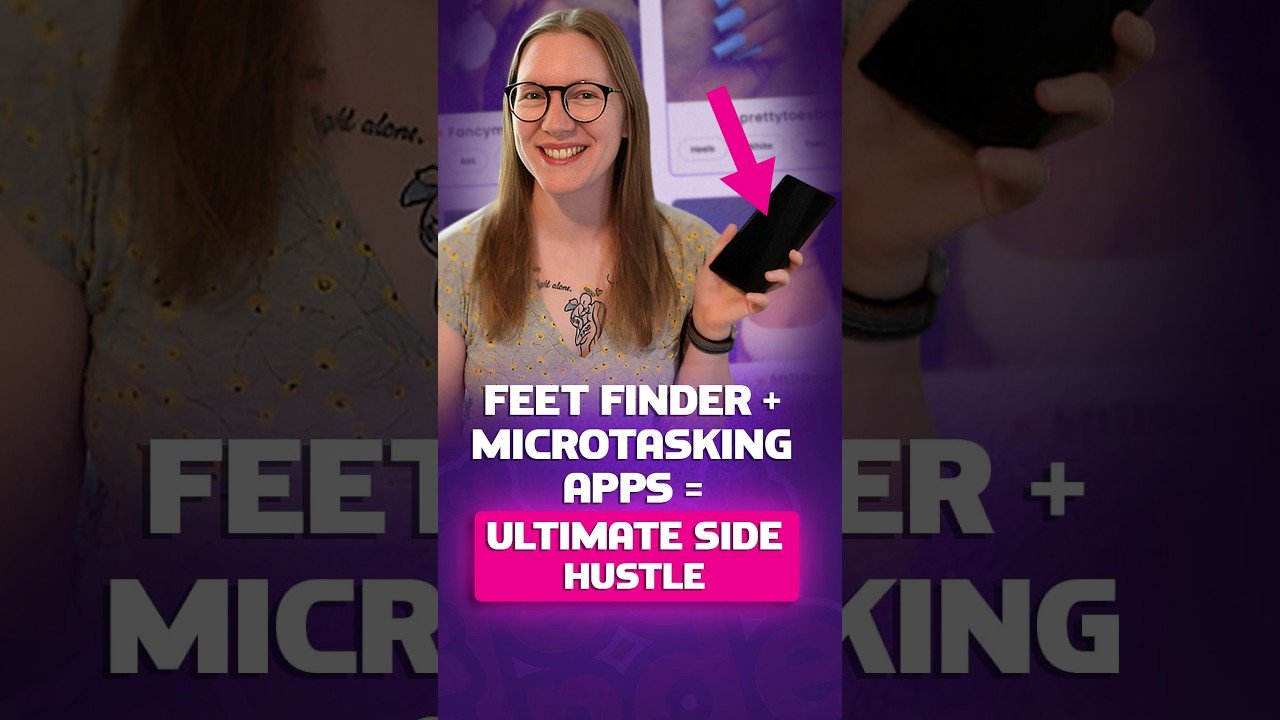
FeetFinder and Microtasking Guide to Building a Safe Side Hustle shows you how to turn simple tasks—like foot photography and microtask gigs—into a secure, flexible income stream you can manage from home. You’ll get straightforward advice on protecting your privacy, setting boundaries, and treating this as a real business so it feels professional, safe, and sustainable.
The article maps out practical steps for setting up your business, clearing up common misconceptions, estimating startup costs, and creating a brand and content plan that fits your comfort level. You’ll also learn platform rules, how to enforce customer boundaries, ways to combine microtasks with photo-based offerings, and strategies to scale income over time.
FeetFinder and Microtasking Overview
FeetFinder and microtasking can form a practical side-hustle duo that balances creative content sales with steady, small-job earnings. In this section you’ll get a clear picture of what each approach involves, why they complement each other, and what realistic income and time commitments look like so you can decide if this is a fit for your schedule and goals.
What FeetFinder is and how it works
FeetFinder is a creator marketplace built around buying and selling foot-related photos and videos, with age-restrictions and identity verification as part of the onboarding. You create a profile, upload content or offer custom work, set prices or require subscriptions, and communicate with buyers through the platform. Payments are processed by the platform and you manage requests, delivery, and any custom commissions under the platform’s tools and rules.
What microtasking is and common platforms
Microtasking means completing small, typically online tasks that pay modest amounts for short work units. Common platforms include Mechanical Turk, Clickworker, Appen, MicroWorkers, Prolific, and similar services where you complete surveys, data labeling, transcription, app testing, or small research tasks. These tasks are usually flexible and don’t require long-term commitments, making them useful for filling gaps between creative work.
Why combining feet content selling with microtasking makes sense
Combining content selling with microtasking smooths income volatility: creative sales can be unpredictable, while microtasks give you reliable, on-demand cash for short blocks of time. Microtasking helps you meet immediate expenses without compromising creative boundaries, and working both ways diversifies your income streams so one slow week on FeetFinder doesn’t derail your budget.
Realistic expectations for income and time commitment
Expect modest early income while you build a portfolio and repeat customers. Many sellers earn tens to a few hundred dollars per month initially; well-branded and consistent creators may earn over $1,000 monthly, but that takes time, marketing, and repeat buyers. Microtasking often pays from a few cents to a few dollars per task; you can earn a meaningful hourly equivalent if you choose higher-value tasks and build speed. Plan a few hours per week to start and scale up as you refine your process.
Common myths versus practical realities
A common myth is that selling feet content is instant passive income; in reality it requires branding, content planning, marketing, and customer management. Similarly, microtasking is not a get-rich-quick scheme — you get predictable but usually low per-task pay. The practical reality is that steady, small earnings plus occasional larger sales can create a reliable side hustle if you approach it as a small business.
Legal, Safety, and Age Verification
Your safety and compliance should be a non-negotiable foundation. This section covers what documentation you need, local legal considerations, and how to protect yourself from scams and exploitation.
Confirming legal age and documentation requirements
You must be of legal age in your jurisdiction to sell adult-adjacent content, and platforms typically require valid government ID during verification. Save records of your submitted ID and screenshots of verification confirmations, and never share identity documents via insecure methods. Keep copies in encrypted storage for your records as required by platform policies.
Understanding local laws about selling images and adult-adjacent content
Laws vary widely by country and even by state; some places have strict rules around consent, commercial content, and taxation. You’re responsible for understanding whether selling images is regulated where you live, if revenue needs to be reported for taxes, and whether special licensing or business registration applies. When in doubt, check local statutes or consult a professional.
Protecting yourself from exploitation and scams
Set clear boundaries, avoid sending identifying information off-platform, and be skeptical of requests for free samples or off-platform payment attempts that can lead to chargebacks or blackmail. Use platform messaging when possible, require deposits for custom work, and don’t accept risky requests that make you uncomfortable. If interactions become abusive or coercive, document and report them to the platform immediately.
When to consult legal counsel or a privacy professional
Consult a lawyer if you plan to scale into a business, if you receive legal threats, or if local laws around content sales are unclear. A privacy professional or accountant can help you structure records and tax reporting. If you’re collecting and storing age verification documents, a privacy review can ensure you meet data retention and protection obligations.
Mandatory disclosures and record-keeping (age verification logs)
Some platforms and jurisdictions require creators to retain age verification records for a specific period. Keep logs that show when verification occurred, what ID type was used, and any platform confirmation IDs. Store this information securely and follow any mandated retention timelines to protect yourself from compliance issues.
Platform Policies and Terms of Service
Understanding platform rules keeps your account safe and reduces the risk of bans or payment disputes. Here’s how to interpret terms and what to watch for.
Reading and interpreting FeetFinder’s terms and community guidelines
Read FeetFinder’s terms thoroughly to learn what content is allowed, how payments and disputes are handled, and the platform’s policies on custom content. Look for rules on explicit content, underage protections, nudity guidelines, and acceptable communication. If anything is unclear, reach out to support to get written clarification.
Differences between FeetFinder, OnlyFans, and other creator platforms
Different platforms have different target audiences, payment structures, and content tolerance. OnlyFans is broader and often hosts more explicit adult content, while FeetFinder specializes in foot content and may have stricter categorization and verification. Learn each platform’s fee structure, payout thresholds, and community norms before cross-posting.
Acceptable content, fetish rules, and explicit vs non-explicit distinctions
Platforms often draw a line between non-explicit fetish content and explicit sexual content. Know where that line is for your platform and avoid ambiguous content that could trigger moderation. Use platform-defined tags and categories accurately so buyers and moderators understand what you offer.
Consequences of policy violations and account bans
Violating policies can lead to content removal, temporary suspensions, or permanent bans, and can affect payout eligibility. Repeated violations may lead to account termination without payout, so follow rules closely. If you’re suspended, having backups of IDs and transaction records helps when appealing decisions.
How to keep backups of communications and transactions for disputes
Keep screenshots and exported records of messages, orders, receipts, and transaction IDs. Save copies in encrypted cloud storage and on a local encrypted drive. These records are your evidence in disputes, chargebacks, or appeals and make resolving issues with support smoother.

This image is property of i.ytimg.com.
Account Setup and Verification on FeetFinder
A professional, secure setup increases trust and reduces friction with buyers. This section walks you through essentials for getting started.
Creating a secure account and choosing a professional username
Use a unique, hard-to-guess password and enable any available two-factor authentication. Choose a username that protects privacy and sounds professional—avoid your real full name and obvious personal identifiers. A consistent stage name helps with branding while protecting personal identity.
Completing identity verification and profile best practices
Complete ID verification promptly and keep any verification receipts. Use a clear profile photo that shows your style without revealing private info if you want to stay anonymous. Fill out profile fields honestly and clearly to set buyer expectations and reduce unnecessary messages.
Setting content visibility: public, subscribers, or custom delivery
Decide how you want to control access—public galleries attract casual buyers, subscriptions lock in recurring income, and custom delivery lets you sell personalized content. Mix visibility types to reach a broad audience while preserving premium content for paying customers.
Profile copy that balances appeal with safety and boundaries
Write concise, welcoming profile copy that lists what you offer, your response time, pricing basics, and clear boundaries (what you will not do). Being upfront about limits and delivery expectations reduces misunderstandings and helps attract respectful buyers.
Initial content recommendations to populate your profile
Start with a variety of high-quality images showing different angles, socks/shoe styles, and simple themed sets. Include a short video or two if allowed, and consider a few low-priced bundles to convert first-time buyers into subscribers. Fresh, consistent uploads help your profile appear active and trustworthy.
Complementary Microtasking Platforms to Diversify Income
Microtasking can fill income gaps and give you financial stability while you grow your creative business. Here’s how to pick and balance platforms.
Overview of microtasking platforms to consider (Mechanical Turk, Clickworker, Appen, MicroWorkers, Prolific, Spare5)
Mechanical Turk, Clickworker, Appen, MicroWorkers, Prolific, and Spare5 are examples of platforms where you can do varied microtasks. They each have different types of work, payout models, and approval systems—some focus on research surveys, others on AI training data or usability tests. Try a few to see which pay rates, task types, and interfaces suit your workflow.
How microtasks can smooth income variability from FeetFinder
Microtasks provide predictable, incremental income on days when sales are slow. Because tasks are short, you can jump in for 30–60 minutes to earn money that helps cover weekly expenses without affecting creative schedules. Use microtasks as a buffer, not a replacement, for your creative efforts.
Choosing tasks that fit your skills and schedule
Select tasks that match your strengths—fast typing for transcription, attention to detail for data labeling, or language skills for surveys. Prioritize higher-paid tasks with fewer rejections and those with clear instructions to maximize earnings per hour. Track your acceptance rates and switch platforms if approvals are too low.
Avoiding low-pay, time-consuming tasks; calculating effective hourly rate
Reject tasks that pay pennies for many minutes. To calculate your effective hourly rate, time a set of tasks, sum your earnings for that session, and extrapolate to an hour. Aim for tasks that meet a minimum effective hourly threshold you set for yourself—if a task falls short repeatedly, drop it.
Combining microtasking with content creation without burning out
Schedule microtask sessions in short blocks—mornings or evenings around content shoots—and protect creative days for photography and editing. Use batching for both microtasks and content work to create clear boundaries and avoid burnout. Prioritize energy management over trying to do everything every day.
Branding and Niche Positioning
Branding helps you stand out and attract the right buyers. This section helps you define a niche and build a consistent presence.
Finding a niche within foot content and adjacent aesthetics
Consider niches like socked feet, polished toes, shoe-focused content, artistic or themed shoots, or lifestyle/fashion intersections. Niche focus helps you target a specific audience and reduce competition while allowing you to charge premium prices for specialized content.
Creating a consistent visual identity and tone
Build a visual style by choosing consistent lighting, color palettes, and props. Your tone—playful, classy, or straightforward—should match your visuals and profile copy. Consistency builds recognition and makes it easier for buyers to understand what to expect.
Using a stage name, brand assets, and professional profile images
Pick a memorable stage name aligned with your niche, and invest in a simple logo or watermark for branding. Use a small set of professional profile images that show your brand aesthetic without revealing personal details you want to keep private.
Defining your unique selling proposition (USPs) and audience personas
Define what makes you different—artistry, quick delivery, custom outfits, or a particular style. Create audience personas (e.g., casual collectors, fetish collectors, fashion enthusiasts) so you can tailor marketing, pricing, and content to their preferences.
Setting realistic short-term and long-term brand goals
Set attainable short-term goals like uploading X pieces per week or reaching Y subscribers, and long-term goals like consistent monthly revenue targets, branching to new platforms, or hiring help. Revisit goals quarterly and adjust based on performance and life changes.
Content Planning and Photography Techniques
Good planning and solid photography techniques increase perceived value and buyer willingness to pay. Here’s how to create and manage content effectively.
Planning a content calendar and batching shoots
Use a simple calendar to plan themes, holidays, and promotional windows. Batch shoots so you can produce multiple sets in one session, which saves time for editing and messaging. Schedule upload days and marketing pushes around when your audience is most active.
Basic foot photography techniques: lighting, angles, props, and backgrounds
Natural soft light or a ring light produces flattering results; avoid harsh overhead lighting. Shoot from multiple angles—top, side, close-up of toes—and include contextual shots that show scale (but avoid identifying details). Props like shoes, socks, or textured backgrounds add variety.
Safe, tasteful styling and wardrobe choices that sell
Clean, well-groomed feet and tasteful styling increase appeal. Choose colors and fabrics that complement your skin tone and the mood you’re selling. Avoid revealing tattoos or marks you want to keep private, unless those are part of your brand.
Editing workflow: apps, presets, and simple retouching tips
Use mobile or desktop editing apps to adjust exposure, color balance, and sharpness. Create or buy presets for a consistent look. Retouch sparingly—fix small blemishes, smooth skin minimally, but avoid over-editing that looks artificial.
Content formats: photosets, videos, reels, and story content
Offer a mix of photosets for collectors, short videos or reels for dynamic content, and ephemeral story content for engagement. Videos and motion content often command higher prices for custom requests, while bundles of photos are easy to sell at introductory prices.
Technical Tools and Equipment
You don’t need top-tier gear to start, but a few affordable tools boost quality and efficiency.
Essential gear: smartphone, tripod, ring light, macro lens attachments
A modern smartphone with a good camera, a small tripod, and a ring light are core essentials. Consider macro lens attachments for detailed close-ups. These investments are affordable and deliver big quality gains.
Recommended editing apps and basic settings
Use editing apps that allow fine control over exposure, white balance, and sharpening. Start with conservative edits: +0.2 exposure, adjust white balance to neutralize color casts, and use gentle sharpening. Save edits as presets for consistency.
Secure storage solutions and backup strategies (encrypted drives, cloud)
Store originals and exports on an encrypted external drive and a secure cloud backup. Use strong passwords and two-factor authentication for cloud accounts. Regularly back up new work and maintain a clean folder structure to find files fast when fulfilling orders.
Tools for messaging, invoicing, and customer relationship management
Use the platform’s messaging when possible, and keep a separate document or simple CRM spreadsheet to track custom orders, deposits, deadlines, and repeat buyers. For invoicing, use basic invoicing tools or templates that record dates, amounts, and payment status.
Affordable upgrades to increase production value over time
As you earn, upgrade to directional lighting, a dedicated camera, more diverse props, or paid presets. Small upgrades like better lenses or an accessory kit can improve variety and let you command higher prices.
Pricing, Packages, and Monetization Strategies
Pricing well and offering smart packages will maximize revenue and reduce negotiation friction.
How to set introductory prices and when to raise rates
Start with lower introductory prices to attract initial buyers and build reviews, then raise rates gradually as demand and portfolio quality increase. Announce price increases and grandfather in loyal customers to maintain goodwill.
Package ideas: bundles, subscriptions, custom content, and tips
Offer bundles of themed photos, subscription tiers with exclusive perks, and custom content with a clear deposit policy. Encourage tips by offering small add-ons or faster delivery for bonus payments.
Handling custom requests: deposits, turnaround expectations, and limits
Require a non-refundable or partially refundable deposit for custom work and state turnaround times clearly. Limit the number of custom commissions you accept at once to maintain quality and deadlines.
Upsells, limited editions, and time-limited promotions
Create scarcity with limited-edition sets or time-limited promotions to drive urgency. Offer upsells like nail polish changes, accessory add-ons, or extended-length videos to increase average order value.
Using analytics to test pricing and maximize revenue
Track which packages sell best, conversion rates, and customer feedback. Test price points and package combinations in small experiments to see what increases revenue without losing customers.
Conclusion
Summarize priorities and give you concrete next steps so you can launch responsibly and sustainably.
Core safety practices to prioritize from day one
Prioritize identity verification, secure accounts, clear boundaries, and secure storage of your records. Use platform messaging, require deposits, and document everything to protect yourself legally and financially.
Balanced income strategy: combining FeetFinder sales with microtasking
Use FeetFinder as your creative revenue engine and microtasking as a steady income buffer. That balance lets you reinvest in better content while keeping short-term cash flow stable.
Actionable first steps to launch and protect your side hustle
Set up a secure FeetFinder account, complete verification, create a small launch portfolio, and sign up for one microtasking platform to start testing income. Draft a profile that states offerings and boundaries, and schedule your first batch shoot.
Long-term mindset: scaling responsibly while safeguarding privacy
Scale by improving production value, refining your niche, and hiring help only when it preserves your privacy and control. Always weigh growth against the potential privacy costs and stay within comfort and legal boundaries.
Resources and next steps for continued learning and professionalization
Keep learning about photography, marketing, and platform rules, track analytics, and consider consulting professionals for taxes and data privacy as you grow. Treat this as a small business: plan, protect, and iterate to make your side hustle sustainable and rewarding.



Leave a Comment