Ethical Feet Finder Business Guide for Foot Content Creators
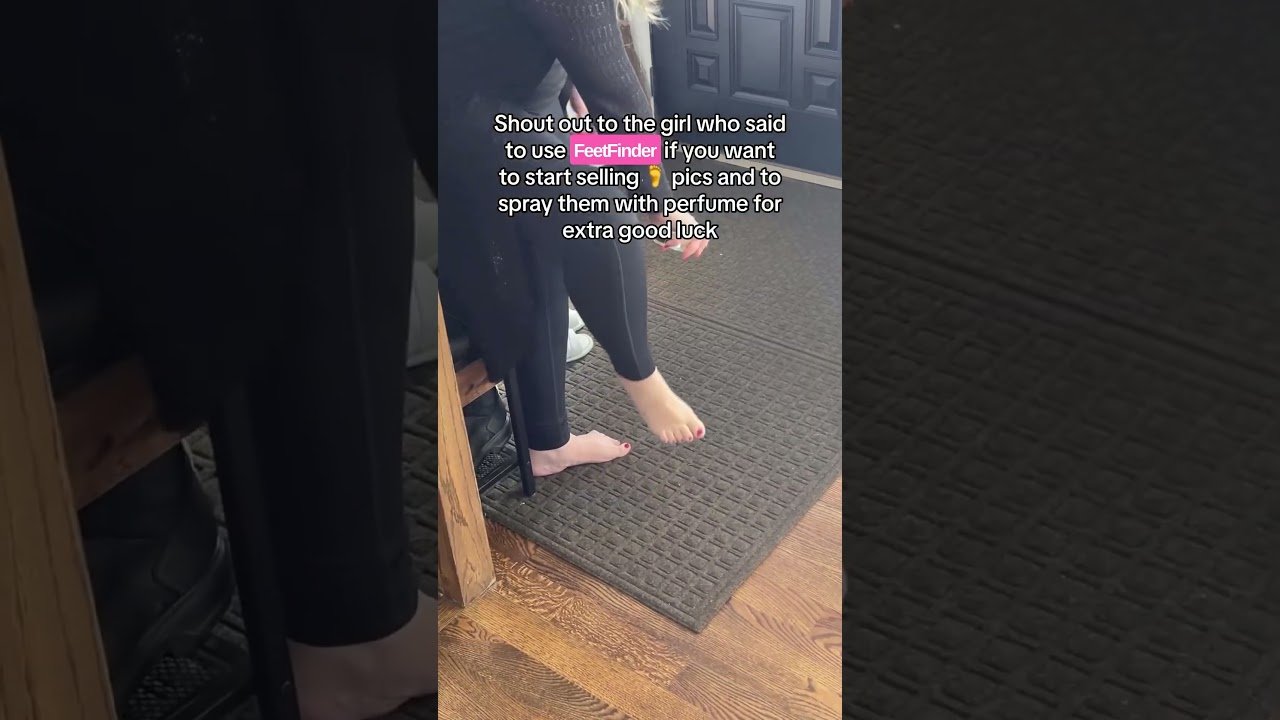
In “Ethical Feet Finder Business Guide for Foot Content Creators”, you’ll learn how to turn foot photography into a professional, ethical side business using platforms like FeetFinder and short-video trends as practical examples. This article reframes selling feet pictures as a structured opportunity rather than a quick-money hustle and addresses common misconceptions to set realistic expectations. You’ll find clear guidance on business setup, startup costs, branding, content planning, platform rules, customer boundaries, and income scalability.
Each section offers practical tips, safety practices, and steps to plan sustainable growth so you can protect yourself while earning from home. By focusing on ethical practices and consistent branding, you can monetize foot content responsibly and scale your income over time.

This image is property of i.ytimg.com.
Business Foundation and Ethics
You’re starting more than a side hustle when you create foot content professionally — you’re building a small business that needs structure, ethics, and realistic expectations. This section helps you treat your work with the same planning and care you’d give any other legitimate enterprise so you can grow sustainably and safely.
Defining your business goals and realistic income expectations
Start by clarifying what you want: a part-time supplemental income, full-time creator work, or a creative side project. Set measurable goals like monthly revenue targets, number of subscribers, or average order value. Be realistic: early income often fluctuates, and growth depends on marketing, consistency, and platform choice. Plan for slow months and reinvest in quality as you scale.
Treating foot content creation as a legitimate small business
Treat your venture like any other small business: register if needed, track income and expenses, and separate personal and business finances. Keep a simple bookkeeping system, document receipts for equipment and software, and consider basic business insurance where available. When you think in business terms, you’ll make decisions that protect long-term revenue and reputation.
Establishing ethical guidelines for content and client interactions
Create clear ethical rules for what you will and won’t do, and stick to them. Define boundaries around sexual content, custom requests, and privacy. Honor commitments and communicate truthfully about delivery times, image ownership, and usage rights. Ethical behavior builds trust, repeat customers, and a professional reputation you can be proud of.
Understanding consent, respect, and dignity in fetish-related work
Consent is foundational: you control what you produce, how it’s used, and who sees it. Treat clients respectfully while enforcing your own dignity and personal limits. Never feel pressured to do anything that makes you uncomfortable. Educate customers on acceptable behavior and make consent an explicit part of onboarding and transactions.
Addressing common misconceptions and stigmas transparently
Be prepared to confront myths about fetish work calmly and professionally. You can reduce stigma by explaining your business model, safety practices, and legal compliance. Transparency about age verification, respectful interactions, and how you protect privacy helps normalize your work as legitimate creative commerce rather than a shady fast-money scheme.
Platform Selection and Compliance
Choosing where you sell affects income, privacy, and daily workflows. Weigh platform fees, discoverability, privacy protections, and content policies to find the best fit for your goals. Diversifying platforms reduces risk and helps you reach different audiences.
Comparing FeetFinder, OnlyFans, and alternative marketplaces
FeetFinder focuses on foot content and buyers looking specifically for it, with marketplace tools that simplify buying and selling. OnlyFans provides subscription-driven access and broader content flexibility but may be more competitive and less niche-focused. Other marketplaces offer different fee structures, buyer demographics, and discovery tools. Compare where your target buyer already shops and how each platform supports creators.
Evaluating fees, payout schedules, and payment processors
Look closely at commission rates, flat fees, payout minimums, and payout frequency. Consider the payment processors used and how easily you can withdraw earnings to your bank or card. Some platforms take a larger cut but provide more traffic, while others are cheaper but require you to drive your own customers. Build fee expectations into your pricing.
Platform-specific content policies and age-restriction rules
Every platform has rules about adult content, fetish material, and explicit imagery. Read policies carefully so you don’t violate terms that could lead to account suspension or loss of income. Make sure you meet age verification requirements and follow rules on nudity, sexual acts, and other restricted material so you stay compliant.
Weighing platform discoverability versus control and privacy
Marketplaces offer discoverability and built-in audiences, while private platforms or direct sales give you more control and privacy. Decide how much visibility you want versus how much control over data, customer lists, and who can contact you. Many creators use a mix: public-facing platforms for discovery and private channels for custom, higher-value work.
Creating a multi-platform presence to reduce dependence on one service
Avoid single-platform risk by maintaining profiles on at least two services and keeping direct-contact options like email or a business messenger. Cross-promote content and archive your customer list so if one platform changes policy or goes down, you still have revenue channels. Diversification stabilizes income and gives you leverage.
Age Verification and Legal Requirements
Legal compliance protects you and your business. Proper age verification, recordkeeping, and understanding local laws are essential to operate safely and defensibly.
Verifying creator age and keeping secure records of ID checks
Always verify and document your own age with the platform and keep secure copies of required ID checks. Use encrypted storage or a secure cloud service with strong access controls. Platforms may require periodic rechecks, so have a routine for updating records and retaining only what’s necessary.
Understanding requirements for buyers and minors protections
Most platforms require buyers to be 18+ and may have additional verification for age-sensitive content. Make sure you follow platform rules that limit access by minors and never engage with anyone who claims to be underage. If a buyer’s age is in doubt, refuse the sale and report concerns to the platform.
Retaining documentation for platform audits and legal defense
Keep transaction logs, communications, and age-verification records in an organized manner for at least the period required by platforms or local law. If a dispute or audit arises, having accurate documentation can protect you from false claims and demonstrate compliance with your policies and platform rules.
Knowing local laws about adult content, obscenity, and commerce
Research your jurisdiction’s laws around adult content, obscenity, explicit commerce, and online business taxation. Rules vary widely; what’s permitted in one place may be restricted elsewhere. Factor any legal constraints into your content strategy and location of business operations.
When to consult an attorney and how to document legal advice
If you face complex questions—tax classification, cross-border sales, or compliance issues—consult a lawyer experienced in online adult commerce. Document the advice you receive in writing, note the date and scope of consultation, and keep records in case you need to explain a legal strategy to a platform or authority.
Branding and Positioning
Your brand differentiates you in a crowded market. A clear name, consistent visuals, and a defined niche make it easier for buyers to find, trust, and remember you.
Choosing a clear, professional creator name and visual identity
Pick a stage name that’s easy to remember, spell, and that fits your chosen tone—professional, playful, or niche-specific. Avoid using personal identifiers that could expose your private life. Create a visual identity with a recognizable profile photo, logo, or color palette that you use across platforms.
Defining your niche, tone, and target buyer persona
Decide whether you’re offering clean aesthetic content, fetish-focused material, or a specific style like painted nails, barefoot lifestyle, or themed shoots. Define the buyer persona—age, interests, spending habits—and tailor your content to that audience. A well-defined niche reduces competition and helps with targeted promotion.
Creating consistent imagery, color schemes, and voice
Consistency builds trust. Use similar lighting, backdrops, filters, and color palettes so your gallery feels cohesive. Keep written communication—bio, FAQs, messages—consistent in tone and language. A predictable experience increases buyer confidence and encourages repeat purchases.
Developing mission and policy statements for public trust
Publish short mission and policy statements that explain what you offer, your commitment to consent and safety, refund policies, and privacy practices. Clear policies reduce misunderstandings and show professional standards that make buyers feel secure when spending money with you.
Building a pre-launch identity checklist (bio, banner, FAQ)
Before you go live, prepare a checklist: bio that clarifies offers, profile banner with your visual identity, a short FAQ addressing age verification and delivery times, pricing tiers, and a sample content gallery. Being ready at launch accelerates momentum and creates a professional first impression.
Content Strategy and Planning
A content plan keeps you consistent and prevents burnout. Balance free promotional posts with premium offerings, and design evergreen products to sell long after you create them.
Developing a content calendar with themes, frequency, and formats
Plan weekly or monthly themes—colors, props, or poses—and set a realistic posting frequency you can maintain. Mix photo sets, short videos, and behind-the-scenes content. A calendar helps you batch production, stay topical around holidays, and track what resonates with buyers.
Balancing free promotional content with premium paid content
Give away some free content to attract followers and showcase quality, but reserve your best work for paid channels. Use teasers, previews, or time-limited samples to convert viewers into buyers. Clear delineation between free and paid material helps preserve perceived value.
Planning evergreen versus trend-driven posts for long-term value
Create evergreen sets that remain relevant and can be sold repeatedly, and supplement with trend-driven posts to capitalize on short-term visibility. Evergreen content provides steady income, while trends can spike attention and bring new customers to your long-term offerings.
Creating content series and bundles to increase average order value
Package related photos or videos into themed series and sell them as bundles or subscriptions. Buyers often spend more on curated series that tell a visual story. Offer tiered bundles—basic, deluxe, custom—to cater to different budgets and increase average order value.
Setting realistic production capacity and batching workflows
Know how many shoots you can handle without quality loss. Batch work by shooting multiple sets in one session, then edit and schedule releases. Batching saves time, reduces setup fatigue, and ensures you always have content ready to publish.
Photography, Styling, and Production
Quality visuals set you apart. You don’t need pro gear to start, but good lighting, clean styling, and consistent editing make your content look professional and saleable.
Basic equipment and startup costs: camera, lighting, props, backdrop
Begin with a smartphone that shoots high-resolution images, add basic continuous lighting or a ring light, a neutral backdrop, and a few props like rugs, fabrics, or shoes. Budget for grooming supplies and storage solutions. Initial costs can be modest; reinvest earnings into upgrades.
Shooting techniques for flattering foot photos and video
Learn angles that flatter your feet and elongate the frame: three-quarter shots, low-angle close-ups, and natural light near windows often work well. Use shallow depth of field to emphasize details, and vary compositions to keep galleries interesting. Practice movement for short videos that highlight texture and motion.
Hygiene, grooming, and styling best practices for consistent quality
Maintain high hygiene and grooming standards: clean nails, moisturized skin, and consistent nail polish application or natural presentation, depending on your brand. Keep props and backdrops clean, and establish a pre-shoot routine to ensure consistent results across sessions.
Editing, watermarking, and preparing files for delivery
Edit photos for color balance, sharpness, and cropping while avoiding heavy retouching that misrepresents your work. Apply subtle watermarks for previews to protect against unauthorized sharing, and deliver non-watermarked files to paying customers. Organize final files with clear filenames for easy delivery.
Creating a safe, professional home studio and secure backup system
Designate a clean, private area for shoots with controlled lighting and minimal background distractions. Use secure backups—external drives and encrypted cloud storage—for originals and finished files. Regular backups prevent catastrophic loss and allow you to recreate or resell evergreen sets.
Pricing, Packages, and Payments
Set prices that reflect your time, costs, and market. Clear payment terms and policies reduce disputes and help you maintain healthy margins as you scale.
Standard pricing models: per photo, bundles, subscriptions, custom requests
Common options include per-photo sales, bundles, monthly subscriptions, and higher-priced custom content. Evaluate which models match your workflow and buyer preferences; subscriptions create steady income, while custom requests command premium pricing due to personalization.
How to calculate costs, margins, and break-even pricing
Factor in production time, equipment depreciation, platform fees, taxes, and marketing costs when pricing. Calculate how many sales you need to cover monthly costs and desired profit to find your break-even point. Price confidently once you know your minimum acceptable wage for time spent.
Setting clear payment terms, accepted methods, and refunds policy
State accepted payment methods upfront and set expectations for delivery timelines. Define a clear refunds policy—whether you offer refunds on digital goods, under what circumstances, and how disputes are handled. Clear terms reduce misunderstandings and protect you legally and financially.
Handling tips, discounts, and promotional pricing ethically
Accept tips as a way for fans to support you, but be transparent about discounting practices. Avoid devaluing your work with constant sales; instead offer targeted promotions like first-time buyer discounts or limited-time bundles. Use promotions strategically to attract customers without undermining long-term pricing.
Protecting against chargebacks and payment disputes
Keep detailed records of transactions, communications, and proof of delivery. Use invoicing tools and require prepayment for custom requests. If a chargeback occurs, provide clear documentation to your payment processor or platform to dispute illegitimate claims.
Safety, Privacy, and Boundaries
Your safety and privacy are non-negotiable. Set boundaries, use privacy tools, and have procedures for dealing with harassment and threats.
Establishing and communicating personal boundaries with clients
Communicate what you will and won’t do in bios, FAQs, and before custom work. Reiterate boundaries gently but firmly in private messages if needed. Consistent boundary-setting helps clients understand expectations and reduces uncomfortable interactions.
Protecting personal identity: stage names, separate contact details, PO boxes
Use a stage name, separate email and phone for business, and consider a PO box for business mail. Avoid using personal photos or identifiable background details in content. These measures reduce the risk of doxxing and help maintain a separation between your public persona and private life.
Digital security: passwords, 2FA, VPNs, and account recovery plans
Use strong, unique passwords and enable two-factor authentication on all accounts. Consider a reputable VPN when accessing accounts from public networks and maintain account recovery information securely. Regularly review connected apps and revoke access you no longer need.
Handling doxxing, harassment, and threatening behavior protocols
Have a plan: document incidents, take screenshots, and save messages. Block and report offenders to the platform, and if threats escalate, contact local authorities. Consider a safety contact who knows your situation and can help if harassment becomes serious.
When and how to block, report, or escalate problematic users
If someone crosses your boundaries, block them promptly and document the interaction. Use platform reporting tools for harassment, hate speech, or illegal behavior. Escalate to platform support or law enforcement if the behavior includes threats, persistent doxxing attempts, or criminal acts.
Community and Customer Management
Happy customers are repeat customers. Build systems for onboarding, communication, and scaling personalized interactions without sacrificing boundaries.
Setting expectations with clear FAQs, response times, and policies
Publish an FAQ that explains what you sell, prices, delivery times, and communication windows. Set realistic response time expectations and stick to them. Clear expectations reduce friction and help clients trust that they’ll get what they paid for.
Screening and onboarding new clients respectfully and safely
Use polite screening questions for custom orders and new clients to confirm intent, age, and requirements. A short onboarding process that clarifies terms and delivery helps you avoid misunderstandings and protects your time.
Managing direct messages, custom orders, and boundaries at scale
Create templates for common inquiries and standardize your custom-order workflow: quote, contract or terms, payment, delivery, and feedback. Automate repetitive tasks where possible so you can focus on quality while maintaining personal touches for premium customers.
Creating templates for common replies, terms, and invoices
Draft message templates for pricing, delivery confirmations, and rejections that reflect your tone and policies. Use simple invoices or order forms to document agreements. Templates speed responses and ensure consistent communication.
Fostering positive repeat customers while enforcing rules fairly
Reward loyal customers with occasional perks or early access, but enforce rules consistently to protect fairness and safety. Clear, evenly-applied policies maintain professional relationships and set expectations that encourage repeat business.
Conclusion
Finish with action: prioritize safety, legality, and professionalism, and treat your work as a real business you can grow over time.
Summarizing ethical best practices for a sustainable feet-finder business
A sustainable business rests on ethical behavior, clear boundaries, accurate age verification, and respectful customer interactions. Build transparent policies, document compliance, and treat every sale as a professional transaction to maintain longevity.
Prioritizing safety, legal compliance, and professional boundaries
Your safety and legal compliance come before short-term gains. Maintain records, follow platform rules, and enforce boundaries. Those choices protect your income and reputation and create a business that can scale without unnecessary risk.
Treating content creation as an intentional, scalable business
Plan for growth: document workflows, brand consistently, and reinvest in equipment and marketing. Scaling thoughtfully lets you increase revenue without burning out, and positions you to diversify income through bundles, subscriptions, and custom work.
Continuing education, community support, and regular policy reviews
Stay informed about platform changes, legal updates, and best practices by reading platform communications and learning from creator communities. Review your policies and pricing periodically so you adapt to market shifts while protecting your standards.
Taking actionable next steps: plan, protect, produce, and promote
Start with a simple plan: set goals, choose platforms, and create a pre-launch checklist. Protect yourself with documentation, secure accounts, and clear policies. Produce content in batches with consistent quality, then promote strategically across platforms. With planning, prudence, and persistence, you can build a professional, respectful, and profitable feet-focused business.


Leave a Comment