Feet Finder Business Guide For Foot Content Creators

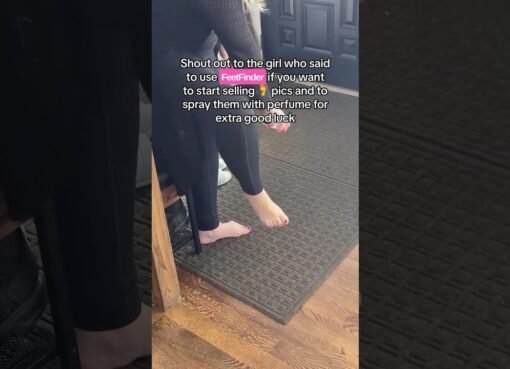
Feet Finder Business Guide For Foot Content Creators shows you how a viral YouTube short about selling feet content can be reframed as a structured business opportunity instead of a fast-money hustle. You’ll get a clear roadmap covering business setup, common misconceptions, startup costs, and how to build a professional brand that protects your privacy.
The article also outlines content planning, platform rules, customer boundaries, and practical steps for scaling income from side hustle to steady revenue. With straightforward tips and safety-first practices, you’ll feel confident creating foot content that earns money while keeping control of your comfort and security.

This image is property of i.ytimg.com.
Platform overview and how FeetFinder works
FeetFinder is a niche marketplace designed specifically for buying and selling foot-related photos and videos. As a creator, you set up a profile, verify your age and identity, upload galleries or individual items, and interact with buyers through the platform. The marketplace model means buyers can discover and purchase content directly, request custom work, or contact you for private offers. Because the platform focuses on a single vertical, discoverability for foot content tends to be better than on broad social platforms, and the user experience is tailored to the needs and safety concerns of both creators and customers.
Core features and marketplace mechanics
The core features typically include searchable creator profiles, content galleries, private messaging, custom request handling, bundles or packs, and options to sell single images or themed sets. Marketplaces like FeetFinder often let you organize content into categories, tag items for easier discovery, and create limited-time promotions. Buyers browse profiles, preview content thumbnails, and pay for downloads or custom work. You control pricing for each item or bundle, and some platforms allow you to block or blacklist buyers and to accept or decline custom offers.
Age verification and built-in safety measures
Feet-focused marketplaces prioritize age verification and safety because of the adult nature of many transactions. You can expect an identity check process that usually requires government-issued ID and a verification selfie to confirm you are over the platform’s minimum age. Additional safety features often include automatic content watermarking or blurred previews for non-paying users, two-factor authentication for account access, message moderation tools, and the ability to report suspicious activity. These measures are designed to protect you from underage buyers, impersonation, and fraud—but you should still practice caution and never share unnecessary personal information.
Fee structures, payout cadence, and payment methods
Fee structures vary by platform and can include a commission on each sale, listing fees, and withdrawal or processing fees. Commissions commonly range from modest percentages to higher splits depending on the services provided (market reach, verification, customer support). Payout cadence might be on demand, weekly, biweekly, or monthly, and platforms may impose a minimum withdrawal amount. Payment methods for creators can include bank transfers, e-wallets, or payment processors supported by the marketplace; available options depend on your country. Because exact fees and payout schedules change, you should review the platform’s terms to understand how much you’ll actually receive per sale and any minimums or holds on funds.
How FeetFinder compares to OnlyFans and other platforms
FeetFinder is a focused marketplace for foot content, while OnlyFans is a broader subscription-based platform that supports a wide range of adult and non-adult creators. If you want to sell single images or themed packs and be discoverable in a niche marketplace, FeetFinder-style platforms are typically more search-friendly for buyers specifically looking for feet content. OnlyFans excels at recurring subscription income, direct relationships with fans, and pay-per-view messaging, but discoverability outside your own promotion can be limited. Other platforms may allow more varied content types or different monetization models. The right choice depends on whether you prioritize discoverability within a niche, recurring income, anonymity, or control over custom orders.
Common use cases and creator success stories
Common use cases include hobbyists earning extra cash, creators turning a niche interest into a sustainable income stream, sellers who specialize in themed sets (shoe-play, barefoot art, foot care tutorials), and custom-order specialists who charge premium rates for bespoke content. Success stories are often about creators who start part-time, build a loyal repeat-customer base through quality and responsiveness, and then scale by offering bundles, exclusives, and custom work. Successful creators typically diversify income across multiple platforms, use smart pricing tiers, and invest in consistent branding and production quality.
Adopting a business mindset and setting goals
To succeed, treat content creation as a business rather than a hobby. That means setting measurable goals, tracking results, investing time in production and marketing, and putting safeguards in place for legal and personal safety. Approaching your feet-content work with a business mindset helps you scale more predictably, protect your brand, and set boundaries that preserve your energy and well-being.
Defining short-term and long-term business objectives
Start by defining clear short-term objectives like building a catalog, gaining your first 50 paying customers, or earning a steady weekly income. Long-term goals may include replacing a salary, growing a multi-platform brand, or creating passive revenue streams through evergreen content bundles. Write these objectives down, assign timelines, and make them specific and measurable so you can track progress.
Choosing full-time, part-time, or side-hustle commitments
Decide how much time you can realistically commit. A side hustle requires lower time investment, conservative revenue expectations, and a lean production schedule. Part-time allows more frequent updates, custom requests, and moderate marketing. Full-time work demands the most structure: consistent content calendars, customer service, accounting, and potentially outsourcing editing or social promotion. Align your commitment level with your goals and life responsibilities.
Financial targets, KPIs, and realistic income expectations
Set financial targets like monthly revenue goals and key performance indicators (KPIs) such as conversion rate (profile visitors to buyers), average sale value, repeat-purchase rate, and churn (for subscription models). Be realistic: many creators start slow, and income often grows as you build a reputation and library. Anticipate variability and plan for taxes, fees, equipment costs, and promotional expenses.
Time management and task prioritization for creators
Prioritize tasks that directly impact income and growth: content production, customer communication, and promotion. Schedule batch production sessions to maximize efficiency, allocate fixed times for messages and custom orders to avoid burnout, and use simple tools (calendars, to-do lists) to keep on track. Outsource or automate repetitive tasks when it makes financial sense.
Planning milestones and review cadence
Break larger goals into milestones—grow followers by X, reach Y in monthly income, launch Z new bundles—and set a cadence for review, such as weekly content audits and monthly financial reviews. Regular reviews let you pivot strategies quickly and double down on what’s working.
Legal, ethical, and compliance considerations
Operating legally and ethically protects you and your business. Know the rules around age verification, consent, local regulations, and intellectual property so you can respond correctly to disputes, takedown requests, or law enforcement inquiries. Ethical practices build trust and long-term sustainability.
Age verification requirements and documentation retention
Platforms require proof of age for creators and sometimes for buyers. Keep copies of the documents you submit, and retain records of verification steps in case of future disputes. However, store sensitive documents securely—do not publish or share ID files outside the platform. Familiarize yourself with how long the platform retains documents and your local regulations about record retention.
Consent, model releases, and intellectual property rights
If you photograph other adults, get a written model release that grants you the right to sell the images and clarifies usage. Protect your own IP by watermarking previews, keeping originals archived, and specifying usage rights in your listings. If you license content to buyers, be explicit about what they can and cannot do with purchased media.
Local laws and regulations affecting adult-oriented content
Local laws vary widely about producing and distributing adult-oriented content. Some jurisdictions restrict explicit material, public nudity, or commercial sex-related activities. Check your country and local regulations for any licensing, record-keeping, reporting, or tax obligations that apply to online adult commerce. When in doubt, consult a lawyer familiar with digital content and adult-industry compliance.
Handling copyright, takedown notices, and DMCA basics
You own copyright in images you create, which gives you the right to issue takedown notices if your content is reposted without permission. Familiarize yourself with the basics of copyright enforcement: document your original files, send takedown notices to offending hosts, and use platform reporting tools. Understand the counter-notice process and consider registering key works if you plan to enforce rights aggressively.
Ethical considerations: consent, harassment policies, and safe interactions
Always obtain consent from anyone you photograph; respect buyer boundaries and refuse requests that make you uncomfortable or violate platform rules. Maintain clear messaging about acceptable interactions, and use the platform’s blocking and reporting tools for harassment. Protecting your emotional and physical safety is essential; set clear policies for custom work, deposits, and refund terms to minimize conflict.
Account setup and profile optimization on FeetFinder
Your profile is a storefront—make it easy for buyers to understand what you sell, what quality they can expect, and how to request bespoke content. An optimized profile converts visitors into buyers and reduces back-and-forth questions.
Step-by-step account creation and verification process
Sign up with a professional email, choose a username that reflects your brand, and follow the platform’s verification steps—typically uploading ID and a selfie for age confirmation. Complete your profile fields fully: location (if required), short bio, and payment setup. Upload a few starter galleries or sample images so visitors see what you offer immediately. Verify two-factor authentication if available.
Writing a compelling bio that attracts the right buyers
Write a short, friendly bio that tells buyers what you offer, your specialties, and any limits (custom content, location restrictions). Use keywords that buyers search for (e.g., barefoot, shoeplay, soles) but keep the tone authentic. Clarify response times, custom-order policies, and whether you offer bundles or discounts for repeat buyers.
Selecting profile images and cover photos that convert
Choose a tasteful cover photo that showcases your aesthetic without giving away full-resolution content. Use high-quality, well-lit preview images that hint at the style buyers will receive. Avoid overly explicit thumbnails if the platform restricts previews; instead emphasize professional composition and clarity.
Organizing photo galleries and content categories
Group content by theme, style, or price: simple singles, themed sets (e.g., pastel toes, socked feet), and high-value custom bundles. Use clear, consistent naming and short descriptions for each gallery so buyers know what they’ll get. Keep your best-performing packages easy to find, and retire or refresh older galleries to maintain quality.
Using platform features: bundles, custom offers, and messages
Leverage bundles to sell more per transaction and offer tiered options for different budgets. Use custom-offer features to formalize requests, set deposits, and provide clear delivery timelines. Respond promptly and politely in messages—good customer service increases repeat purchases and positive reviews.
Branding and niche development
A strong brand differentiates you and helps you charge premium prices. Niche development means focusing on specific themes, aesthetics, or service types that attract a loyal audience and reduce competition.
Identifying and testing niche angles within foot content
Test different niches—elegant pedicures, kink-friendly content, barefoot art, in-shoe shots, or footwear-focused themes—and see what resonates. Start broad, then refine based on sales and messages. Niches can be aesthetic, fetish-focused, or situational (outdoor barefoot, gym socks), and successful creators often combine a few complementary angles.
Choosing a username and visual identity that’s memorable
Pick a username that’s easy to remember, spell, and search for—avoid complex punctuation. Build a consistent visual identity: a color palette, editing style, and tone of voice in captions and messaging. Consistency makes you recognizable and aids repeat purchases.
Creating a consistent aesthetic and voice across content
Decide on lighting, color grading, props, and language that align with your niche. Stick to a few signature looks so buyers know what to expect. Your voice should match your brand—playful, professional, sensual, or clinical—so clients feel a cohesive experience across products.
Developing target audience personas and pricing tiers
Create buyer personas: casual browsers, collectors, fetish enthusiasts, or custom-request clients. Tailor packages and prices for each persona—low-cost entry items for browsers, mid-tier bundles for collectors, and premium bespoke content for custom clients. This helps you serve different needs without undercutting your value.
Building trust with authenticity while protecting privacy
Be authentic in your presentation and communication to build trust, but keep private details private. Use a stage name, avoid revealing personal identifiers, and keep billing and customer interactions within the platform when possible. Authenticity fosters loyalty; privacy protects you.
Content planning and production workflow
A structured workflow keeps your content pipeline full and quality consistent. Plan shoots, editing, and release schedules to minimize last-minute stress and maximize output.
Content types: photos, short videos, clips, and themed sets
Offer a variety of content formats—single photos, short looping videos, longer clips, and themed sets—to appeal to different buyer preferences. Video often commands higher pricing due to production demands, while themed sets provide perceived value through curated stories or aesthetics.
Planning shoots: shot lists, props, and mood boards
Create shot lists and mood boards before shooting to ensure variety and efficiency. Plan props, outfits, and locations in advance, and schedule time for setup, shooting, and breaks. A clear plan helps you capture more usable content per session.
Lighting, composition, and framing tips for feet photography
Use soft, diffused lighting to minimize harsh shadows and highlight skin texture and contours. Experiment with angles—top-down, three-quarter, and side profiles—to show different surfaces of the foot. Include negative space for composition balance, and use macro shots for details like nail polish or jewelry.
Editing workflow: retouching, color correction, and consistency
Develop a simple editing workflow: crop and straighten, color correct for consistency, and retouch sparingly to keep realism. Apply consistent presets or LUTs to maintain your signature look across galleries. Keep original files backed up in case you need to re-export different sizes or formats.
Establishing a content calendar and batching production
Create a content calendar that schedules shoots, edits, uploads, and promotions. Batch production—shooting multiple sets in a session—saves time and keeps your store stocked. Schedule regular publishing intervals so buyers know when to expect new content.
Equipment, grooming, and props for high-quality content
You don’t need the most expensive gear to look professional, but investing in essentials pays off in conversions. Grooming and props elevate perceived value and help you command higher prices.
Choosing between smartphone and dedicated cameras
Modern smartphones with good cameras can produce excellent results; they’re portable, easy to edit on, and cost-effective. Dedicated cameras offer more control, better low-light performance, and higher resolution for large prints or detail-heavy work. Choose based on budget, comfort, and the look you want.
Lighting gear: ring lights, softboxes, and reflectors
Start with a ring light or softbox for flattering, even lighting. Reflectors help fill shadows and shape light without adding another powered source. Natural window light is often excellent—just avoid direct midday sun. Invest gradually as your income grows.
Backgrounds, surfaces, and set design ideas
Experiment with simple, clean backgrounds like textured blankets, wooden floors, or minimalist sheets. Use surfaces that complement the color palette of your props and skin tone. Consider thematic set design for seasonal shoots or special packages.
Foot care and grooming essentials for professional presentation
Maintain foot hygiene and grooming: regular exfoliation, moisturizing, and well-kept nails. Keep polish neat and consider having a few staple colors that photograph well. Small details like jewelry, toe rings, and anklets can add visual interest.
Useful props, outfits, and thematic accessories
Use props like hosiery, different shoe types, socks, ribbons, and props that fit your niche (e.g., athletic gear, high heels). Props should enhance rather than distract from the main subject—your feet. Rotate props to keep content fresh.
Pricing strategy and monetization models
An intentional pricing strategy helps you maximize revenue while attracting a range of buyers. Mix accessible items with high-value exclusives to build a sustainable income.
Pricing formats: single images, bundles, subscriptions, and tips
Offer a variety of pricing formats: low-cost individual images for impulse buyers, bundles for perceived value, pay-per-request custom content, and optional tips for extras. If the platform allows subscriptions or recurring packages, use those to secure steady income.
Setting tiered pricing for different quality and exclusivity levels
Create tiers: budget-friendly singles, premium sets with higher resolution or more images, and ultra-premium custom videos or exclusive rights purchases. Make the differentiation clear so buyers understand what they’re getting at each price point.
Custom content requests: quoting, deposits, and delivery timelines
For custom work, provide clear quotes, require deposits for high-effort requests, and set realistic delivery timelines. Use templates for custom offers to ensure you cover usage rights, revisions, and refund policies. Deposits reduce no-shows and protect your time.
Discounts, promotions, and limited-time offers without devaluing content
Run occasional promotions for holidays or to reward repeat buyers, but avoid frequent heavy discounts that train customers to wait for sales. Limited-time exclusives and temporary bundles can create urgency without long-term price erosion.
Balancing accessibility with premium offerings for revenue growth
Keep an entry-level price point so new buyers can try your content, while maintaining premium options that capture higher-value customers. Over time, increase prices modestly as demand and the size of your catalog grow.
Platform rules, policies, and staying compliant
Knowing platform rules helps you avoid violations that can jeopardize your account and earnings. Read the terms, follow content guidelines, and act quickly if something goes wrong.
Understanding FeetFinder terms of service and community guidelines
Read the terms of service and community guidelines carefully to know what content is allowed, what documentation is required, and how disputes are handled. Policies often cover acceptable content, buyer-seller interactions, and penalties for violations.
Types of prohibited content and how to avoid policy violations
Prohibited content generally includes anything involving minors, non-consensual or exploitative material, illegal acts, and sometimes certain explicit acts depending on the platform. Avoid gray-area content and always err on the side of caution—if it feels risky, don’t post it.
Responding to warnings, strikes, and content takedowns
If you receive a warning or content takedown, review the reason, remove or edit the offending content, and respond through the platform’s appeals process if you believe the action was in error. Recurrent violations can result in strikes or account suspension, so treat warnings seriously.
Reporting abuse, suspicious buyers, and platform safety tools
Use reporting tools for harassment, payment fraud, or suspicious buyer behavior. Block repeat offenders and use privacy features to limit exposure. Keep records of abusive messages in case you need to escalate to platform support or law enforcement.
Maintaining compliance while adapting to policy updates
Platforms update policies periodically. Subscribe to platform announcements, periodically review terms, and adapt your content strategy accordingly. Regular compliance checks reduce the risk of surprises that could disrupt income.
Conclusion
You can build a sustainable, professional business selling foot content if you treat it like any other niche creative enterprise: prioritize safety, legal compliance, consistent production, and smart pricing. Focus on building trust with buyers, refining your niche, and protecting your privacy while delivering high-quality content.
Recap of essential business steps for FeetFinder creators
Essential steps include verifying your account and documentation, optimizing your profile, creating a content calendar, investing in basic equipment and grooming, setting clear pricing tiers, and understanding platform rules and local laws. Combine these steps with consistent promotion and customer service to grow steadily.
Actionable next steps to launch or improve your FeetFinder business
Start by creating a professional profile, plan and batch your first shoot, set entry and premium price tiers, and implement a simple content calendar. Reach out to your first buyers promptly and collect feedback to refine your offers. Track finances and reinvest a portion of earnings into better lighting or marketing.
Key safety and legal reminders to prioritize
Always verify identity through secure platform channels, keep private documents safe, never share sensitive personal information, and comply with age- and content-related laws. Use model releases when applicable, and document everything to protect your rights.
Resources for further learning and community support
Look for creator forums, community groups, and educational resources focused on adult content entrepreneurship and photography. Engage with other creators (anonymously if you prefer) to learn best practices, but always cross-check advice with platform policies and legal guidance.
Encouragement to treat foot content creation as a sustainable business
With planning, professionalism, and consistent effort, selling foot content can move beyond a casual side gig into a sustainable business. Set realistic goals, protect yourself legally and emotionally, and keep refining your craft—over time, your audience and income can grow predictably. Good luck building your business; stay safe, be consistent, and enjoy the creative process.

Leave a Comment