Breaking Stereotypes Selling Feet Pics as a Guy
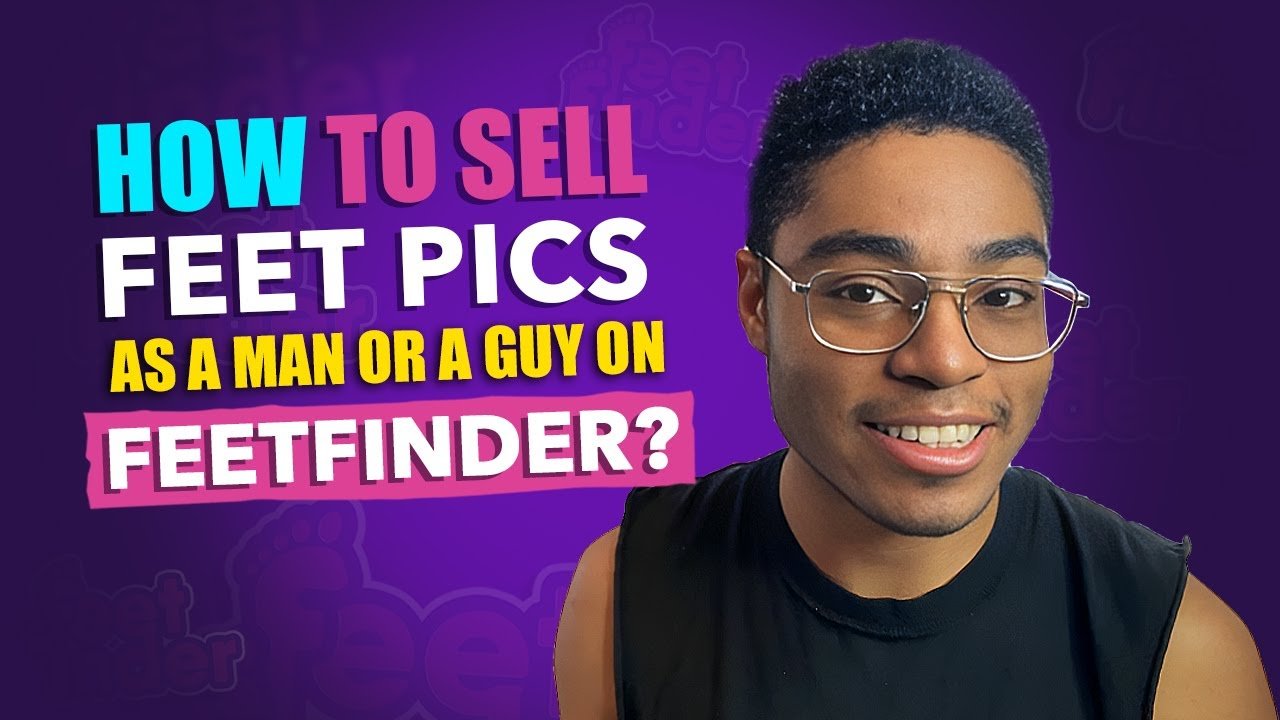
Breaking Stereotypes Selling Feet Pics as a Guy reframes selling foot content as a structured business opportunity for men ready to monetize a niche market. You’ll find a clear roadmap covering business setup, realistic startup costs, branding, content planning, and platform rules while also addressing common misconceptions and how to set professional boundaries with customers.
You’ll get practical tips on foot photography, portfolio presentation, keyword strategies for platforms like OnlyFans and FeetFinder, pricing, and negotiating deals. The article outlines audience targeting and income scalability so you can build a sustainable side hustle with confidence and protect your privacy.
Breaking Stereotypes: Selling Feet Pics as a Guy
You might already sense the pushback: selling feet pictures is often depicted as a female-dominated niche, and that stereotype can discourage men from trying. This section reframes the activity and shows why leaning into the market as a man is both possible and smart. You’re not only challenging cultural expectations, you’re entering a niche with real demand where authenticity, quality, and professionalism win.
Why challenging gender norms matters for creators
When you challenge gender norms, you expand the marketplace and create new opportunities for yourself and others. Buyers often seek diversity — different body types, masculinities, and aesthetics — and when men enter the space confidently, you diversify supply and normalize participation. Rejecting stigma also helps you set professional boundaries, price your work fairly, and insist on respectful business interactions. Your presence can reduce shame and make the ecosystem safer and more mainstream.
How reframing the activity as entrepreneurship changes perception
If you treat this as entrepreneurship rather than a “shady side hustle,” the way you approach photography, pricing, branding, and customer service changes. Framing your work as a small business helps you adopt best practices: tracking income and expenses, protecting privacy, complying with laws, and investing in quality. That professional lens attracts serious buyers, reduces awkward encounters, and opens the door to scalable income rather than one-off tips.
Overview of article goals and practical takeaways
This article gives you a full, practical roadmap: who buys male foot content, how to stay legal and safe, ways to protect your privacy, how to set up your business, what equipment you need, how to brand yourself, and how to produce attractive photos that sell. By the end you’ll have actionable next steps: pick a platform, define a niche, prepare a basic budget, and create your first portfolio pieces — all while keeping safety and ethics at the center.
Understanding the Market and Audience
To sell effectively, you need to know who’s buying and why. This section explains buyer types, popular aesthetics and fetishes, and the search behavior that drives sales so you can position your content to match demand.
Buyer demographics and niches interested in male foot content
Buyers of male foot content vary widely: collectors who prefer a consistent seller, fetish enthusiasts, partners seeking specific looks, and photographers or creatives needing references. Demographics skew toward adults across many age ranges and geographies. Some niches prefer clean, well-groomed feet; others want rugged, hairy, or athletic looks. Understanding these segments lets you tailor offerings and pricing.
Popular fetishes, aesthetics, and search behavior to note
Common interests include soft feet, soles, arches, toes, and specific adornments like painted nails, anklets, or socks. Fetish preferences can include barefoot, dirty feet, tickling, or foot worship scenarios — describe offerings without explicit sexualization and comply with platform rules. Buyers usually search by descriptors (e.g., “masculine feet,” “athletic feet,” “dirty soles”), so use those terms thoughtfully in your titles and tags.
Keyword opportunities and tags to use such as selling feet pics as a guy, selling feet pics as a man, #sellingfeetpicsasaman
Keywords are vital for discovery. Use clear phrases like “selling feet pics as a guy,” “selling feet pics as a man,” and niche descriptors like “athletic male feet” or “hairy masculine soles.” Include social tags such as #sellingfeetpicsasaman and #mansellingfeetpics to help potential buyers find you on social platforms that allow fetish-friendly content. Combine high-level keywords with specific descriptors to capture both broad and niche searches.
Legal, Ethical, and Platform Compliance
Following rules protects you and your buyers. This section outlines age verification, consent norms, platform policies, and legal considerations so you can operate responsibly.
Age verification and consent requirements for creators and buyers
You must be of legal age to create adult-oriented content; document and retain proof of age (government ID) per platform requirements. Likewise, if you’re selling to platforms or arranging private transactions, ask for buyer confirmations where required. Never accept or send sexual content involving minors. Clear, documented consent is a baseline ethical and legal standard.
Platform-specific rules to know (FeetFinder, OnlyFans, other marketplaces)
Different platforms have different rules about nudity, fetish content, payment processing, and identity verification. Some sites specifically cater to foot content and provide built-in age and identity checks; others are more general (subscription platforms, marketplaces). Read and follow each platform’s terms of service, content policies, and payment rules to avoid account suspension or fund holds. Use platform safety features like block lists and reporting tools when needed.
Local laws, adult-content restrictions, and ethical considerations
Local regulations vary about adult content, payment processing, and online commerce. Know your jurisdiction’s tax rules, obscenity laws, and decency regulations. Ethically, prioritize informed consent, avoid exploitative or non-consensual content, and be transparent about what buyers will receive. If you plan to scale or operate across borders, consider legal advice to ensure compliance.

This image is property of i.ytimg.com.
Privacy, Anonymity, and Risk Management
Protecting your identity and personal information is essential. This section gives practical methods to reduce risk and respond to leaks or harassment.
Practical steps to protect identity and personal data
Create separate business accounts and email addresses for the foot content business. Use payment processors that allow business names or pseudonyms where possible, and avoid connecting your social or banking accounts that reveal your full name. Use two-factor authentication on all accounts and consider a dedicated phone number or business VoIP service. Keep business and personal finances separate for tax and privacy reasons.
Techniques for hiding face/identifiers and removing metadata
Crop or angle shots to exclude your face, tattoos, scars, or distinctive birthmarks you don’t want public. Use props, socks, or shadowing to obscure identity when necessary. Before uploading, remove EXIF metadata from images using built-in tools or simple apps to delete GPS and device info. Consider watermarking preview images lightly to discourage re-use while keeping full, unwatermarked files for paying customers.
Responding to leaks, harassment, or doxxing and takedown procedures
If content is leaked or you face harassment, document everything: screenshots, URLs, timestamps. Report violations to the hosting platform immediately and request takedowns under their copyright or terms policies. Contact the site’s abuse team and follow their procedures. If doxxed or threatened, preserve evidence and consider legal advice or law enforcement contact. Build a response plan in advance so you can act quickly and calmly.
Business Setup and Mindset
Treating this as a legitimate business helps sustain income and reduces stress. This section covers mindset shifts, basic structure choices, and practical management tips.
Treating this as a sustainable business versus a quick hustle
A sustainable approach means consistent content, quality control, customer service, and reinvestment in your tools. Think in terms of months and years, not just one-off sales. Set realistic expectations for income and growth, diversify platforms to reduce risk, and aim for repeat customers and upsells rather than chasing fleeting viral attention.
Choosing a simple business structure and handling taxes
Start simple: many creators begin as sole proprietors, which is easy but offers no personal liability protection. As you grow, consider forming an LLC or similar legal entity for liability protection and accounting benefits. Keep accurate income and expense records, save for taxes, and track deductible costs (equipment, subscriptions, grooming, props). Consult an accountant familiar with online creator income to determine the best structure and tax strategy for your location.
Setting realistic goals, record-keeping, and time management
Set measurable goals (monthly revenue, subscriber count, number of new listings). Use basic accounting tools or spreadsheets for income/expense tracking, and maintain customer logs (respecting privacy) for repeat buyers. Schedule content production blocks and editing sessions to avoid burnout. Consistency and predictable output often outperform sporadic, high-effort pushes.
Startup Costs, Budgeting, and Essential Tools
You don’t need a professional studio to start, but investing smartly improves your product. This section breaks down likely costs and affordable options.
One-time and recurring expenses to expect (camera, lighting, subscriptions)
Initial costs may include a good phone or camera, lighting, tripod, basic props, and grooming supplies. Recurring costs include platform subscription fees, transaction fees, cloud storage, and subscription-based editing tools. Budget also for marketing expenses such as boosted posts or paid listings if you choose to advertise.
Affordable equipment options and smartphone setups that work
Modern smartphones often produce excellent images. Use a tripod or clip mount, a ring light or softbox, and simple reflectors (white foam board works well). A mid-range mirrorless or DSLR camera is optional if you want more control. Invest in a macro-capable lens if close-up texture shots are a priority. Start small: a clean background, consistent lighting, and steady framing matter more than the most expensive gear.
Budgeting for grooming, props, editing software, and platform fees
Include grooming costs (nail care, callus remover, moisturizers), props like rugs or sheets, and minimal wardrobe pieces (socks, shoes, anklets). For editing, free tools exist, but consider a one-time purchase app or a low-cost monthly subscription if you need advanced retouching. Account for platform fees and payment processor charges when pricing your items so your net income remains sustainable.
Branding and Niche Positioning
Strong branding differentiates you and builds customer trust. This section helps you find and express your unique selling proposition.
Identifying a niche and your unique selling proposition (athletic, masculine, alternative, foot care-focused)
Decide what sets you apart: are you athletic and outdoorsy, focused on foot care and pampering, or representing an alternative look (tattoos, piercings, rugged aesthetics)? Your niche guides content style, pricing, and the audience you market to. Test a few approaches early and double down on what resonates.
Creating a consistent persona, visual style, and portfolio theme
Consistency builds recognition. Choose a persona and visual cues — color temperature, backgrounds, props — and apply them across photos and platform bios. If you present as relaxed and professional, ensure messages, delivery times, and product offerings reflect that. A coherent portfolio makes it easier for buyers to understand what you sell and to justify repeat purchases.
Using branding elements: profile images, bios, color schemes, and hashtags like #mansellingfeetpics
Select a discreet profile image that fits platform rules and your anonymity needs. Craft a short bio that communicates niche, pricing structure, and boundaries. Maintain a consistent color palette and style in your posts. Use hashtags and keywords — including #mansellingfeetpics and #sellingfeetpicsasaman — to increase discoverability and align with search behavior, while respecting platform tagging guidelines.
Photography and Visual Presentation
High-quality visuals are what sell. You don’t need depth-of-field mastery to make compelling images, but attention to detail matters.
Fundamentals: composition, angles, focus on detail and texture
Focus on the story each image tells: close-ups of soles, angled shots of arches, or contextual images with footwear. Use the rule of thirds, negative space, and varied angles to keep your portfolio dynamic. Prioritize sharp focus on the most interesting part (toes, arch, texture) and make sure the important areas are well-composed and unobstructed.
Lighting techniques for flattering foot photos (natural light, softboxes, reflectors)
Natural light from a window provides soft, flattering illumination; aim for indirect morning or late-day light. For studio setups, softboxes and LED panels with diffusion create even lighting. Use reflectors to fill shadows and create gentle highlights on skin texture. Avoid harsh midday sunlight or direct flash that flattens detail and creates unflattering shadows.
Grooming, styling, props, footwear, and background choices that sell
Grooming is a non-negotiable: trimmed nails, moisturized skin, and clean feet increase perceived value. Styling choices — bare, polished, socked, or sandal-clad — should match your niche. Props like a textured rug, wooden floor, or tasteful jewelry can add context. Keep backgrounds uncluttered and color-coordinated to let the feet remain the focal point.
Content Planning and Portfolio Strategy
A strategic content plan helps you attract buyers and convert interest into purchases. This section explains formats, series ideas, and organizational tactics.
Defining content formats: single images, sets, videos, custom requests
Offer varied formats: single high-resolution images for casual buyers, themed sets for collectors, short videos or loops for dynamic interest, and custom content for higher-priced, personalized work. Clearly list what’s included with each purchase and set boundaries for custom requests up front.
Building themed series, seasonal content, and evergreen assets
Create recurring series (e.g., “Athletic Soles Sundays” or “Care & Pamper Series”) to encourage repeat purchases. Seasonal content (beach-themed feet in summer, sock collections in winter) can increase relevance and searchability. Evergreen assets — well-lit, classic shots of different angles — serve as reliable inventory you can resell or bundle.
Organizing a portfolio for discovery and upsell across platforms
Organize your portfolio with clear categories and tags so buyers can find what they want. Use preview images that entice but withhold the highest-value shots until purchase. Cross-promote across platforms (tailoring to each platform’s rules) and create bundles or subscription options to increase customer lifetime value.
Conclusion
You’ve got the basics to start confidently and responsibly. This final section summarizes the most important takeaways and gives you tangible next steps.
Summary of key takeaways: business approach, safety, and growth
Selling feet pictures as a man is a legitimate business opportunity when you treat it professionally: know your market, protect privacy, follow laws and platform rules, invest in quality, and brand consistently. Safety and ethics matter as much as marketing tactics; both protect your income and reputation.
Final practical next steps to start responsibly and professionally
Start by choosing one platform and setting up a separate business email and accounts. Produce a small, high-quality portfolio of 10–20 images reflecting your chosen niche. Price thoughtfully to cover fees and costs. Set basic rules for custom requests and transactions. Keep records, save for taxes, and implement privacy protections before you go public.
Encouragement to experiment, iterate, and prioritize ethics and personal safety
You’ll learn by doing: experiment with styles, listen to respectful buyer feedback, and iterate based on what sells. Protect your identity and your mental health, set boundaries, and ensure all interactions are consensual and legal. By combining creativity with professionalism and care, you can challenge stereotypes, build a sustainable income stream, and do so in a way that feels safe and empowering for you.


Leave a Comment