Build a Sustainable feet finder business with AI generated foot content
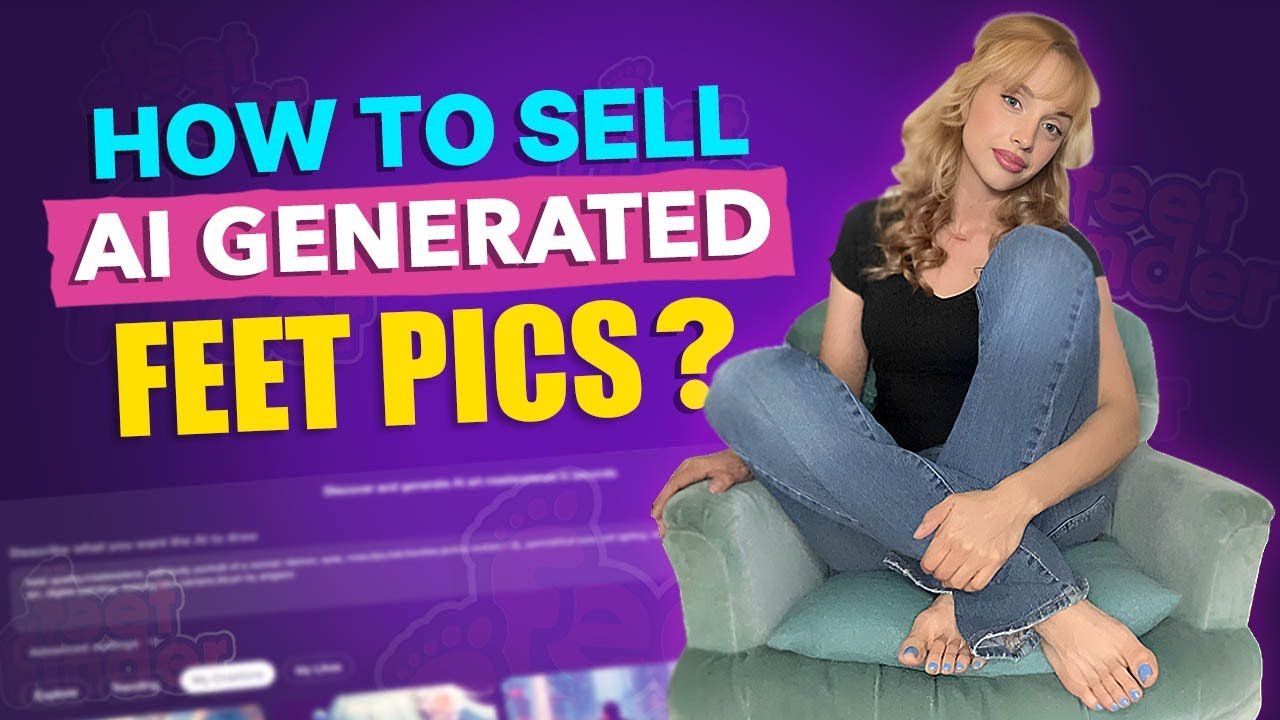
Build a Sustainable feet finder business with AI generated foot content shows how you can turn AI-created foot images into a dependable side income on FeetFinder. The article explains what AI-generated photos are, how to make them without revealing skin, and how to list and sell your digital creations while protecting your identity.
You’ll get a practical roadmap for setting up the business, debunking common myths, estimating startup costs, and building a brand and content plan that follows platform rules and respects customer boundaries. It also covers marketing, audience engagement, and scalability so you can set realistic income goals and grow the venture steadily.

This image is property of i.ytimg.com.
Understanding AI-Generated Foot Content
What AI-generated images are and how generative models work
You should know that AI-generated images are created by machine learning models trained on large image datasets. These generative models—like diffusion models or GANs—learn visual patterns and can synthesize new images based on prompts. You give text or example images, the model samples pixels to match that request, and the output is a synthetic image that never existed as a single original photo of a real person.
Differences between purely synthetic images and edited real photos
Purely synthetic images are generated from learned patterns and don’t directly depict a photographed person, while edited real photos start from an actual photograph that’s been manipulated. You’ll find edited photos can retain real-world lighting and texture in a way that feels authentic, whereas synthetic outputs can be more flexible but sometimes show telltale artifacts. Knowing the difference helps you choose workflows that match your risk tolerance and creative goals.
Common use cases in the feet-content niche
In the feet-content niche, creators use AI to generate stylized sets, fantasy looks, or entirely anonymous images that cater to specific preferences—shoe types, nail polish colors, settings, or artistic themes. You can offer custom commissions, themed bundles, or subscription feeds. AI also helps create preview images, thumbnails, or variations quickly without scheduling photo shoots or exposing real identities.
Pros and cons of using AI for anonymity and creativity
Using AI gives you anonymity and creative freedom: you can produce a wide variety of looks without showing your real body, speed up content creation, and experiment with impossible aesthetics. Downsides include potential authenticity concerns from buyers, legal gray areas about training data, and the learning curve to produce high-quality, believable images. You’ll weigh flexibility against trust and compliance.
How AI affects perceived authenticity and buyer expectations
Buyers may value realism and a genuine connection, so AI content can sometimes feel less authentic to them. You should manage expectations by being transparent about AI use, offering higher-touch options like custom variations, and ensuring consistent quality. Clear communication helps you set realistic expectations and build repeat buyers who appreciate your style rather than insisting on “real” models.
Assessing Legal and Ethical Considerations
Age verification and ensuring no minors are represented
You must prioritize preventing any depiction of minors. Train your process to avoid references to youth and never use images or prompts that could produce underage features. If you work with any source images, verify documentation of age. Platforms often require strict age verification; you should implement checks and refuse any content or requests that raise even the slightest concern.
Consent and model release issues with source images
If your workflow uses real photos—whether for editing, reference, or training—you must have explicit consent and a signed model release covering commercial use. Verbal agreements aren’t enough. You should store releases securely and track permissions for every image. For AI-only outputs, be cautious when using someone else’s likeness as reference without permission.
Copyright concerns for training data and generated outputs
Copyright issues can be complex: models are trained on many images, some copyrighted, and generated outputs can sometimes resemble copyrighted works. You should avoid prompting for specific copyrighted characters or replicating identifiable professional photos. If you reuse or sell images, document your process and prefer tools or datasets with clear licensing to reduce legal risk.
Platform policies versus local laws: what to watch for
Platform policies and local laws don’t always match. You must comply with the platform’s rules about AI content, explicit material, and prohibited themes, while also following local regulations on adult content, business licensing, and data protection. When policies conflict, prioritize legal compliance and consider platform choices that align with your jurisdiction.
Ethical boundaries around fetish content and community standards
Even if legal, you should reflect on ethical boundaries: respect consent, avoid non-consensual or exploitative portrayals, and consider the impact of your content on communities. You’ll want to set clear community standards for yourself and your buyers, decline requests that cross your ethics line, and moderate interactions to maintain a safe, respectful brand.
Choosing Platforms and Understanding Platform Rules
Overview of FeetFinder, OnlyFans, and alternative marketplaces
FeetFinder, OnlyFans, and other marketplaces each target different audiences and have various discovery, payout, and moderation systems. Some platforms are more specialized and may attract targeted buyers, while others are broader creator ecosystems. You should compare fees, audience fit, moderation practices, and discoverability to decide where you’ll get the best return for your style of AI-generated feet content.
Platform-specific rules on AI-generated content and explicit material
Platforms set explicit rules about AI content and what’s allowed sexually. Some ban AI-generated images outright, others require disclosure, and many restrict explicit or pornographic images. You should carefully read terms of service and content policies to ensure your generated images comply—this avoids account strikes, removals, or payout freezes.
Pros and cons of centralized marketplaces versus your own storefront
Centralized marketplaces give you audience access and built-in payment processing but take fees and control. Running your own storefront gives you pricing power, data ownership, and flexibility, yet requires marketing, technical maintenance, and compliant payment solutions. You should weigh initial reach versus long-term control and possibly use both: marketplaces to acquire buyers and your storefront for repeat customers.
Payment processors and restrictions for adult-adjacent content
Many payment processors have restrictions on adult-adjacent or fetish content. You should research processors that explicitly allow your type of content or use adult-friendly gateways. Prepare for higher fees, additional verification, or geographic limitations. Transparency and proper classification of your business model make compliance and payouts smoother.
How to remain compliant while maximizing reach
To stay compliant while reaching buyers, tailor content to platform rules, clearly disclose AI usage if required, and diversify across platforms and your own channels. Use the platform to funnel customers to private channels for premium offers, but always respect the rules of each service. Maintain records of permissions, age verification, and transactions to support compliance and scale responsibly.
Setting Up a Sustainable Business Structure
Choosing a legal entity and why it matters (sole proprietor, LLC, etc.)
Selecting a legal entity affects taxes, liability, and professionalism. As a sole proprietor you have simplicity but personal liability; forming an LLC can offer liability protection and credibility. You should consult a local advisor to pick the right structure based on expected revenue, risk tolerance, and growth plans, especially for content that may carry reputational or legal risk.
Basic business licenses and registration considerations
Depending on your location, you may need a business license, sales tax registration, or local permits to sell digital goods. You should check municipal and national rules for online businesses, register for any required tax IDs, and keep records of income and expenses. Proper registration reduces future legal headaches and builds a foundation for growth.
Privacy-first operational practices for sole proprietors
If you operate solo, protect your personal information: use business emails, consider a separate phone number, and avoid exposing your home address. Use business banking and payment accounts to separate finances. For added privacy, consider a registered agent or virtual office and be mindful about metadata in files you deliver.
Insurance and liability considerations for digital content creators
Insurance can protect you from certain claims—general liability doesn’t always cover digital risks, so explore professional liability, cyber insurance, or errors and omissions policies. You should assess potential risks like data breaches, copyright claims, or disputes with buyers and choose coverage that fits your exposure and budget.
Building a simple business plan and minimum viable product approach
Create a short business plan: define services, pricing, target customers, marketing channels, and short-term goals. Start with a minimum viable product—maybe a few image bundles and a custom offer—to test demand. Iterate based on sales and feedback, keeping initial costs low while measuring which offerings perform best.
Branding and Positioning
Defining a clear niche and target customer persona
You should pick a clear niche—whether it’s high-fashion feet, cozy everyday looks, or fantasy themes—and define your target buyer by preferences, spending habits, and communication style. A well-defined persona helps you tailor prompts, pricing, and marketing so you attract the right customers and stand out in a crowded market.
Naming, visual identity, and tone suitable for feet content
Choose a name and visual identity that reflect your niche and comfort level with anonymity. Your logo, color palette, and tone should align with buyer expectations—playful, classy, or fetish-forward—while remaining consistent across platforms. You should ensure your branding communicates what you sell without revealing private details.
Balancing anonymity with brand recognition
Anonymity and recognition can coexist: use a consistent pseudonym, stylized avatar, and recurring visual motifs in images to build recognition without revealing your face or identity. You should decide which personal details to withhold and which to share for trust—like professional behavior, delivery times, and quality guarantees.
Developing content pillars and a consistent style
Create 3–5 content pillars—e.g., barefoot elegance, socked looks, shoes-on themes, custom requests—and stick to a consistent visual style within each pillar. Consistency builds familiarity and makes it easier for buyers to know what to expect. You should document these pillars so every image aligns with your brand voice and aesthetic.
Using branding to justify pricing and create repeat buyers
Strong branding supports higher prices because it signals quality and reliability. Bundle premium editing, quick turnaround, or exclusive variations as value-adds. You should reward repeat buyers with loyalty discounts or early access to new series, turning satisfied customers into repeat revenue streams.
Content Strategy and Planning
Creating a content calendar to ensure steady output
A content calendar helps you maintain regular uploads and anticipate seasonal themes. Schedule ideation, generation, review, and posting days so you don’t burn out. You should plan weeks or months ahead with flexible slots for custom orders and promotional pushes to keep your audience engaged consistently.
Mix of one-off custom requests, bundles, and subscription content
Offer a mix: one-off custom commissions for immediate income, curated bundles for passive sales, and subscription content for recurring revenue. This balance lets you capture different buyer behaviors and smooth income variability. You should price each product to reflect time, exclusivity, and editing involved.
Seasonal, themed, and evergreen content ideas
Plan seasonal sets (holidays, summer), themed shoots (retro, luxe), and evergreen favorites that sell year-round. Seasonal drops can spark urgency; evergreen content provides steady baseline income. You should repackage popular evergreen items into new bundles or limited variations to extend their lifecycle.
Quality over quantity: setting minimum production standards
Set minimum quality standards for resolution, realism, and style before releasing content. Low-quality images hurt your reputation and conversion rates. You should create a checklist—lighting, artifact check, metadata cleanup—and refuse to sell anything that doesn’t meet those standards.
Repurposing and packaging assets to increase lifetime value
Repurpose single images into multiple products: different crops, color variants, behind-the-scenes prompts, or themed bundles. You should keep master files and prompt logs so you can generate variations quickly and increase the lifetime value of each concept without starting from scratch.
Selecting AI Tools and Workflow
Comparing off-the-shelf AI generators, bespoke models, and hybrid approaches
Off-the-shelf generators are fast and user-friendly; bespoke models give you unique control and style; hybrid approaches combine real photos with AI edits. You should evaluate which fits your budget, privacy needs, and artistic goals. Start with accessible tools to learn the craft and scale to custom models if demand and revenue justify it.
Infrastructure needs: local vs cloud-based generation
Local generation gives you more privacy and possibly lower long-term costs but requires powerful hardware. Cloud-based services are convenient, scalable, and often easier to use but may raise data and licensing questions. You should weigh initial cost, speed, and control to choose the right setup for your operation.
Tool evaluation criteria: output quality, cost, speed, and control
When choosing tools, consider output realism, per-image cost, generation speed, and parameter control. Also check for licensing, ease of automation, and community support. You should pilot a few tools before committing, tracking time spent per image and buyer feedback to assess ROI.
Workflow for ideation, generation, review, and delivery
Create a repeatable workflow: ideate concepts, write prompts or prep reference images, generate iterations, perform quality checks and post-processing, then deliver via chosen platform. Document steps and turnaround times so you can scale and, if needed, onboard collaborators without losing consistency.
Backup and version control for generated assets
Backup your masters, prompt logs, and final assets in multiple secure locations. Use versioning so you can revert or reproduce past results, and keep delivery-ready files separate from working files. You should also maintain records of which buyers received which files to resolve disputes and manage rights.
Prompt Engineering and Style Guides
Writing effective prompts for consistent visual results
Good prompts are specific about pose, lighting, color, props, and mood while leaving room for creative variation. Include negative prompts to avoid artifacts. You should iterate and save successful prompts so you can reproduce a signature look consistently across batches.
Creating templates and parameter presets for recurring styles
Build prompt templates and parameter presets for your main pillars—this ensures consistency and speeds production. Keep separate templates for close-ups, full-scene compositions, and stylized looks. You should update templates as you learn what sells and which tweaks improve buyer satisfaction.
Using reference images, negative prompts, and seed control
Reference images anchor style and proportion; negative prompts help remove unwanted artifacts; seed control gives you reproducible randomness. Use these tools together to get consistent, high-quality outputs. You should log which references and seeds produced the best results for future reuse.
Documenting a style guide to maintain brand consistency
Create a concise style guide covering color grading, composition rules, recurring props, and acceptable edits. This becomes invaluable if you hire assistants or scale production. You should include dos and don’ts so every asset reinforces your brand identity.
Iterating prompts based on buyer feedback and analytics
Use buyer feedback and sales data to refine prompts and product offerings. If a particular pose or polish sells better, prioritize that style. You should run small A/B tests and track metrics like conversion rate and repeat purchase frequency to optimize effectively.
Image Quality, Variation, and Post-Processing
Technical quality: resolution, noise reduction, and artifacts
Deliver high-resolution images with clean edges, minimal noise, and corrected artifacts. Buyers notice small flaws, especially in close-ups. You should run denoising, upscaling, and artifact cleanup as standard steps and reject outputs that fail technical checks.
Natural-looking poses, lighting, and composition principles
Natural poses and believable lighting sell better than stylized oddities unless your niche prefers fantasy. Study basic composition and foot anatomy to avoid uncanny results. You should favor lighting setups that match everyday scenarios if realism is your selling point, and use props and environments that enhance believability.
Post-processing techniques for realism and aesthetic polish
Use subtle retouching—color correction, shadow refinement, texture blending—to make AI outputs feel cohesive. Avoid over-editing which can reveal the image’s synthetic nature. You should save layered files so revisions are quick and maintain a consistent look across batches.
Generating variations to cater to different buyer preferences
Offer multiple variations—angles, polish colors, background settings, and accessory swaps—to appeal to diverse tastes. Variations increase perceived value and give buyers options without requiring full custom jobs. You should price variations clearly and consider including a few as standard with premium tiers.
Ensuring inclusivity: skin tones, foot types, accessories, and settings
Be inclusive in your offerings: vary skin tones, foot shapes, sizes, and accessories to serve a broader audience. Representing diverse aesthetics not only broadens your market but also signals respect and professionalism. You should log which options receive the most demand and expand accordingly.
Conclusion
Summarizing key steps to build a sustainable AI-generated feet-content business
You can build a sustainable business by understanding AI tools, choosing the right platforms, setting up proper legal and financial structures, and developing consistent branding and content systems. Start small with a minimum viable product, iterate based on feedback, and scale what sells while keeping quality high.
Emphasizing legal, ethical, and platform compliance as foundations
Legal, ethical, and platform compliance aren’t optional— they protect you, your buyers, and your brand. Prioritize age verification, consent for source images, copyright awareness, and adherence to platform rules. Compliance reduces risk and supports long-term viability.
Prioritizing quality, branding, and repeat-customer experiences
Quality and consistent branding create trust and justify pricing. Focus on delivering repeat-worthy experiences through reliable turnaround, clear communication, and loyalty incentives. Repeat customers are the most reliable revenue source, so nurture them.
Iterate, measure, and scale responsibly while protecting yourself and your brand
Continuously measure performance, adapt your offerings, and reinvest in tools and legal protections as you grow. Scale thoughtfully—maintain privacy controls, document permissions, and protect your financial and reputational interests. With responsible practices and steady iteration, you can turn AI-generated feet content into a viable, sustainable side hustle.



Leave a Comment