Feet finder business guide for building a sustainable foot content brand
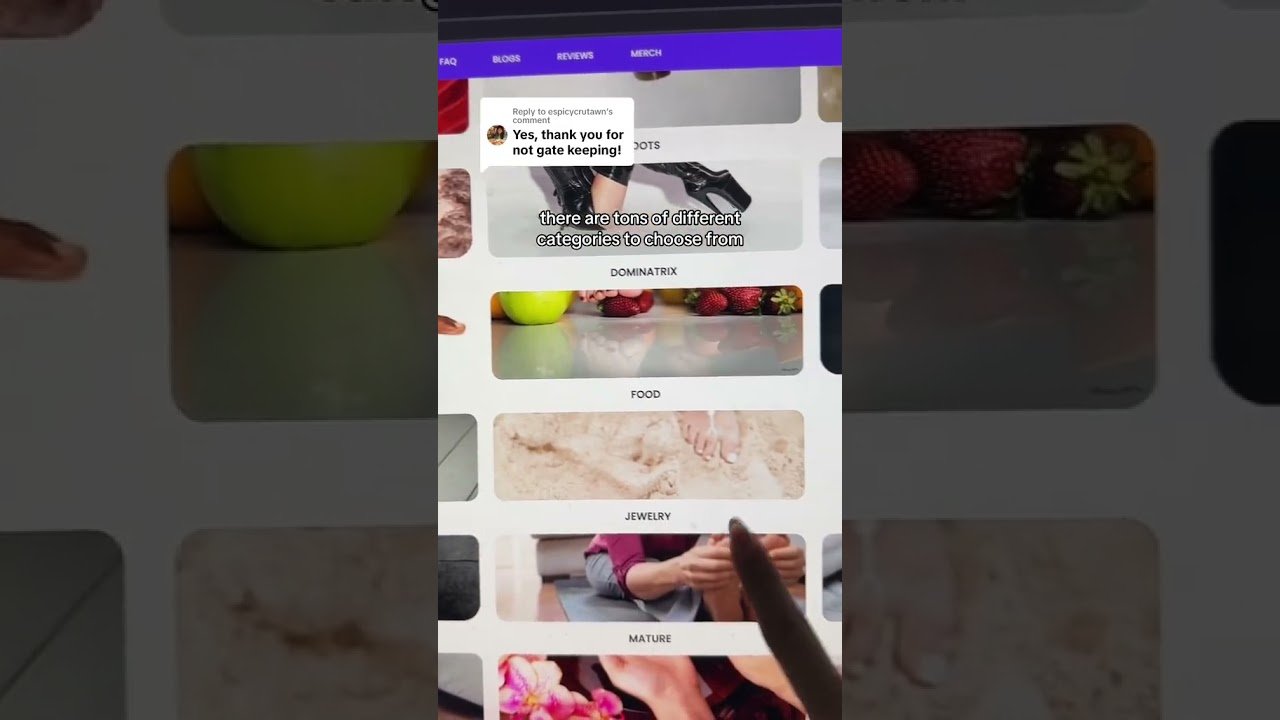
This guide, Feet finder business guide for building a sustainable foot content brand, shows how you can turn foot photography into a structured, legitimate online business rather than a quick-money hustle. You’ll get a clear outline of business setup, startup costs, branding and content planning, platform rules, customer boundaries, and realistic income paths so you can build sustainably.
Drawing from a YouTube video about selling feet pictures, the article reframes the subject as a strategic creator opportunity and debunks common myths so you can start confidently. Practical tips on platform safety, marketing strategies, pricing, and scaling will help you create a professional content plan and set achievable expectations as your brand grows.
Business model options for a FeetFinder foot content brand
Building a sustainable feet-content business starts with choosing revenue streams that fit your comfort level, time availability, and long-term goals. You’ll find opportunities ranging from recurring subscriptions to one-off sales and custom work; understanding each option helps you decide how you want to trade your time for money and how scalable you want the business to be.
Overview of primary revenue streams: subscriptions, pay-per-view, tips, custom content
Subscriptions give you predictable recurring income because fans pay regularly for access to an exclusive feed or membership perks. Pay-per-view (PPV) or per-item sales let you price individual photos, videos, or themed sets and work well when you want to keep your base content free while monetizing high-value items. Tips are great for spontaneous revenue and relationship-building—fans tip for appreciation or to request small extras. Custom content commands the highest per-hour revenue when you set clear boundaries, deliver quickly, and manage expectations; it’s more time-intensive but often the fastest path to higher earnings.
Platform-specific models: FeetFinder vs OnlyFans vs independent websites
Different platforms favor different business models. FeetFinder is tailored to foot content and typically enables per-photo and per-set sales, message-based orders, and strong age verification—so you’ll reach buyers specifically looking for foot content. OnlyFans leans into subscription-first monetization with PPV messaging and tipping added on top; it’s useful if you want steady recurring revenue and have an audience willing to pay monthly. Independent websites (your own storefront) give you full pricing control, brand freedom, and better payout terms, but require more work to attract traffic, handle payments, and manage compliance. Choose the platform mix that matches your comfort with marketing, pricing control, and verification needs.
Hybrid approaches: combining free social media funnels with paid platforms
A hybrid approach is the most common path: use free social platforms (Instagram, TikTok, Twitter/X, Pinterest, Reddit) to build awareness and funnel followers to paid destinations like FeetFinder, OnlyFans, or your own site. You maintain a public persona that teases content and offers value, then gate premium sets behind paywalls. This split allows you to leverage organic discovery while protecting your paid products and maximizing conversions.
Niche specialization and how it affects pricing and audience targeting
Niche specialization drives perceived value. Classic “clean” foot photos will attract a different audience and price point than fetish-specific niches like high-heel domination, dirty-feet, ASMR foot sounds, outdoor soles, or roleplay sets. The rarer or more specialized the niche, the higher you can often charge, but your audience may be smaller. Define who you’re selling to—collectors, fetish buyers, casual admirers—and tailor pricing, visuals, and communication to that persona.
Passive vs active income: stock content, bundles, and licensing
Passive income comes from stock content sales, evergreen bundles, and licensing agreements where you sell rights for reuse. Create themed bundles, evergreen sets, and licensing options so buyers can purchase without needing you to be present. Active income includes custom requests, live sessions, and rapid turnaround commissions. A healthy business mixes both: passive products for steady baseline revenue and active services to scale income during busy periods.
Legal, age verification, and compliance requirements
Running an adult-content brand responsibly requires careful attention to laws, platform terms, and age verification practices. You’re protecting yourself legally and maintaining trust with buyers and platforms.
Age verification protocols required by FeetFinder and similar platforms
Platforms that host adult content require robust age verification. Expect to submit government ID, live selfie verification, and sometimes a short process photo to match your ID. FeetFinder and similar marketplaces often require creators to verify their identity before listing content. Follow each platform’s instructions exactly and keep copies of verification documents stored securely, because you may need them again for payouts, tax reporting, or dispute resolution.
Recordkeeping and 18 U.S.C. 2257-style documentation considerations (where applicable)
In jurisdictions like the United States, producers of explicit content must keep records proving all models are adults—often referred to as 18 U.S.C. 2257-style recordkeeping. Even if your content is non-explicit, maintaining age verification records, consent forms, and sales logs is smart. Keep dated copies of IDs (in secure storage), recorded model releases, and documentation of every shoot participant. Use encrypted storage and back up records so you can produce them if required.
Local laws and regulations around adult content and independent creators
Laws vary widely by country and even by city. Some places restrict selling adult material, age-verification standards, or require business registration and tax reporting. Research local regulations about online adult commerce, zoning, and commerce taxes. If you’re unsure, treat your activity as a legitimate business: register if necessary, declare income, and comply with consumer protection laws. Ignoring local rules can lead to payment holds, account suspension, or fines.
Intellectual property basics: ownership of images, model releases, and licensing
Understand who owns the images you create. If you photograph your own content, you usually own the copyright and can license images to buyers. If you work with other models, photographers, or contributors, obtain written releases that specify usage rights and ownership. When selling content, clarify whether buyers receive a personal-use license (most common) or exclusive commercial rights. Stipulate reuse restrictions in your terms to prevent resale or redistribution without permission.
When to consult an attorney: contracts, disputes, and copyright enforcement
Consult an attorney whenever you face contracts, persistent infringement, complex business structures, or uncertain legal obligations. An attorney helps draft model releases, service terms, dispute procedures, and licensing contracts. If a buyer threatens legal action or you discover your content being sold without permission, legal counsel can advise takedown strategies and copyright enforcement. Investing early in legal clarity prevents costly problems later.
Account setup and platform onboarding
Getting set up right is both a practical and reputational step. You’ll streamline payouts, protect privacy, and make a great first impression.
Choosing the right platform(s) and evaluating fees, payout methods, and audience
Compare platform fees, payout schedules, audience demographics, and content rules. Look at transaction fees for single sales, subscription cut for recurring income, and chargeback policies. Evaluate reputational fit—do buyers on that platform look for your type of content? Also check payout minimums and supported payout methods to avoid surprises when you try to withdraw.
Creating verified accounts: identity checks, verification photos, and best practices
Verification often requires a photo ID, selfie, and sometimes a short verification message or photo. Use good lighting and make sure documents are current and legible. Use consistent names across platforms if you want easier verification, or use your legal name only where required and keep your public brand anonymous if privacy is a priority. Respect platform rules and don’t try to shortcut verification; verified badges build buyer trust.
Setting up secure payment and payout methods: PayPal alternatives and crypto
Many mainstream payment services restrict adult content payouts. Research adult-friendly payout providers, bank transfer options, e-wallets, and the pros and cons of cryptocurrency. Use business accounts where possible, and separate your creator income from personal finances for bookkeeping and tax reporting. Prioritize payment methods with clear dispute resolution and reasonable fees.
Profile optimization: bios, profile photos, pinned posts, and first impressions
Your profile is a sales page. Write a concise bio that sets expectations (style, delivery times, pricing), use high-quality profile photos that reflect your aesthetic, and pin a “how to buy” post or FAQ. Make the checkout path clear so new buyers know how to contact you and what to expect after purchase. Professionalism in presentation increases conversions.
Cross-platform consistency and linking strategy between FeetFinder, OnlyFans, and socials
Use consistent branding elements—name, profile photo, color palette—across platforms so followers recognize you. Strategically link platforms: public social posts should direct followers to your paid channel, while the paid platform can offer exclusive insiders-only links back to your own store or bundles. Be mindful of platform rules about external linking and avoid oversharing pricing or content that violates terms.
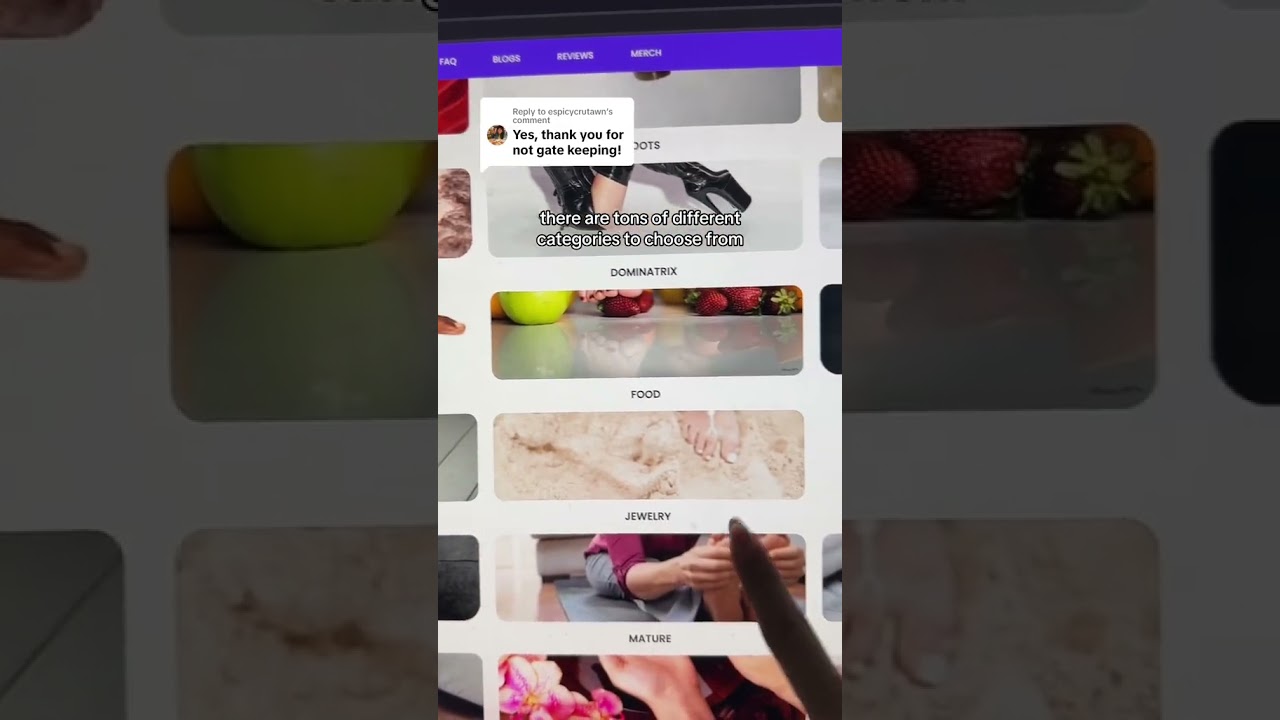
This image is property of i.ytimg.com.
Branding and positioning your foot content business
Branding differentiates you in a crowded market. Strong, consistent branding attracts the right buyers and makes pricing decisions easier.
Defining brand identity: tone, aesthetics, values, and target customer personas
Decide on your tone (playful, elegant, clinical, fetish-focused), aesthetics (minimalist, colorful, vintage), and values (consent-first, professional, discreet). Build customer personas—age, spending capacity, content preferences—so every content decision and price reflects the buyer you’re targeting.
Choosing a memorable name and consistent visual identity across platforms
Pick a name that’s easy to remember, search-friendly, and non-identifying if you prefer privacy. Create a simple visual identity (logo, color palette, signature props) that you can reproduce across profiles and content. Visual consistency makes you look professional and helps buyers trust your brand.
Deciding on anonymity vs personal branding and pros/cons of each approach
Anonymity protects privacy and reduces real-life risk, but can limit personal connection and cross-platform reach. Personal branding fosters deeper fan relationships and higher lifetime value but requires careful reputation management. Many creators use partial anonymity: professional photos and a persona without revealing full legal identity.
Niche selection: classic, ASMR, high-heel, barefoot, outdoor, themed sets
Choose niches that match your comfort and strengths. Classic clean shots appeal widely; ASMR-focused content requires good audio and can command premium rates; high-heel or themed sets require props and wardrobe planning. Experiment and track performance so you can double down on high-performing niches.
Brand guidelines: photography style, captions, color palettes, and recurring motifs
Create simple brand guidelines to keep your content cohesive: preferred camera angles, color grading, caption voice, and recurring props or motifs (ribbons, socks, textures). Consistency helps fans know what to expect and builds a recognizable catalog that’s easier to sell in bundles.
Content strategy and planning
A thoughtful content strategy keeps you consistent, reduces burnout, and increases buyer trust.
Content pillars and types: photos, videos, short-form clips, behind-the-scenes
Define content pillars—core themes you produce regularly—such as close-up soles, shoe sessions, textured shots, ASMR clips, and BTS. Mix static photos with short videos and occasional longer clips to serve different buyer preferences and price points. Behind-the-scenes humanizes the brand and increases engagement.
Creating a content calendar and batching workflow for consistent output
Plan weekly or monthly calendars and batch-shoot to save time. Shooting multiple sets in a session reduces setup time and lets you tweak different themes quickly. Schedule posting and promotions so buyers know when to expect new material and so you avoid last-minute rushes.
Balancing evergreen vs trending content and testing new concepts
Evergreen content sells long-term while trending concepts can create spikes in attention. Maintain a 70/30 split (for example) of evergreen to experimental content and track metrics—sales per set, messages, engagement—to discover what scales.
Custom content offerings: requests, fetish-specific asks, and limits
If you offer custom content, publish clear rules: pricing, turnaround, allowed and disallowed requests, and privacy expectations. Use intake forms or templated messages to collect details and a partial upfront payment for time-consuming requests. Setting limits protects your time and mental energy.
Repurposing content across platforms to maximize reach and revenue
Repurpose long clips into short-form teasers, convert photo sets into bundles, and create preview mosaics for social promotion. Use different crops and edits so content feels fresh across platforms while maximizing the revenue you extract from each asset.
Production essentials: equipment, staging, and foot care
Quality production improves perceived value and conversion rates—but you don’t need to go pro overnight.
Low-cost vs pro equipment: phone setups, lighting, tripods, and microphones
Start with a modern smartphone and natural light plus a simple tripod. Upgrade gradually to ring lights, softboxes, a macro lens, and a microphone for ASMR. Investing in a stable setup pays off—consistent framing and good lighting lead to better-looking content that sells for more.
Staging and composition tips: backgrounds, angles, props, and framing
Use clean backgrounds, consistent palettes, and simple props that enhance rather than distract. Foot-focused angles include sole close-ups, toe detail shots, and shoe-on/off sequences. Frame with negative space for a premium look and vary perspective to keep sets interesting.
Foot care and presentation: grooming, nail care, skin treatments, and hygiene
Presentation matters: keep nails neatly trimmed or polished depending on your niche, moisturize for smooth skin, and remove calluses or apply treatments as appropriate. Good hygiene and thoughtful styling increase buyer confidence and allow higher pricing.
Editing best practices: color correction, retouching, cropping, and batching edits
Use simple editing workflows—color-correct for consistency, crop for focus, and retouch sparingly to maintain authenticity. Batch your edits with presets so your catalog looks cohesive. Export in multiple sizes for web previews and high-resolution delivery.
Accessibility and quality control: previewing on multiple devices and file formats
Preview content on phones and desktops to ensure framing and readability. Offer multiple file formats if buyers request them and label files clearly. Quality control prevents refunds and reduces support time.
Pricing strategy and monetization tactics
Price your content smartly to reflect effort, scarcity, and audience willingness to pay.
How to set subscription prices, PPV rates, and custom content fees
Base subscription prices on the value you provide and comparable creators in your niche. For PPV items, price smaller items low to encourage impulse buys and premium sets higher. For custom work, calculate hourly effort, editing time, and exclusivity; require deposits for bespoke requests.
Tiered pricing, bundles, and limited-time promotions to increase averages
Offer tiered subscriptions (basic, premium, VIP) with escalating perks. Sell bundles of related sets at a discount to increase average order value. Use limited-time sales and themed drops to create urgency without devaluing your standard pricing.
Upsells and add-ons: exclusive sets, priority delivery, and custom videos
Upsells can include exclusive high-resolution sets, faster delivery for custom content, or add-ons like personalized messages. Present upsells at checkout or via private messages to maximize conversion.
Using promotions, coupons, and free trials strategically without undervaluing content
Use occasional discounts to attract new buyers but avoid frequent sales that train customers to wait for bargains. Free trials on subscription platforms can convert trial users into paying fans if you deliver consistent value during the trial period.
Managing refunds, disputes, and enforcing content usage rules
Define a clear refund policy and communicate it in your terms. For disputes, maintain records (timestamps, delivered files) and resolve professionally. If a buyer violates usage rules (redistribution), respond with a takedown request and escalate to the platform or legal counsel if needed.
Marketing, growth, and traffic acquisition
Build a pipeline of traffic so your income isn’t dependent on a single channel.
Organic channels: Instagram, TikTok, Pinterest, Twitter/X, Reddit communities
Use visual platforms to showcase teasers and drive followers to paid platforms. Pinterest helps with evergreen discovery, TikTok and Reels can create viral reach, Twitter/X supports community interaction, and niche subreddits can attract targeted buyers if you follow community rules.
Short-form video strategy: reels, shorts, and viral hooks tailored to foot content
Create short vertical clips with hook-first formats: striking visuals, quick transformations, or satisfying reveals. Use captions that intrigue without violating platform rules. Short-form content is excellent for discovery and funneling viewers to paid channels.
SEO and discoverability: keywords, hashtags, captions, and FeetFinder tags
Optimize captions and tags for searchable terms buyers use (e.g., “foot photos,” niche descriptors). On FeetFinder and other marketplaces, use relevant tags, clear titles, and informative descriptions to help buyers find your sets.
Cross-promotion, collaborations, and shoutouts with other creators
Collaborate with complementary creators to access new audiences. Cross-promotions, joint bundles, and shoutouts can be mutually beneficial. Choose partners whose brand and audience align with yours.
Paid acquisition: when to use ads, influencer partnerships, and budget allocation
Paid ads for adult content are restricted on many platforms; if you use ads, choose compliant creatives and channels carefully. Influencer partnerships may offer better ROI for niche audiences. Start small, measure conversions, and scale what works.
Managing customers, boundaries, and professional conduct
Professional communication and firm boundaries protect you emotionally and financially.
Setting clear boundaries and explicit rules for custom requests
Publish a clear list of permitted and prohibited requests. Use templates to explain limits and pricing to potential buyers. Clear communication prevents misunderstandings and preserves your safety.
Message management: templates, automation, and response time expectations
Create message templates for common inquiries and use simple automations to handle first-contact questions. Share realistic response-time expectations so customers know when to expect replies. This reduces workload and improves perceived professionalism.
Handling difficult customers: refunds, complaints, and safe escalation paths
Stay calm and professional with complaints. Offer refunds per your policy when appropriate, and keep records of interactions. For abusive or threatening customers, block and report them and involve platform support when necessary.
Privacy measures for interactions: blocking, reporting, and screening new buyers
Screen new buyers with preliminary questions before committing to custom work, and use platform tools to block or restrict problematic accounts. Remove identifying metadata from files and watermark previews if you’re concerned about redistribution.
Building repeat business through excellent service and consistent delivery
Deliver on time, maintain quality, and show appreciation—loyal buyers are the easiest to monetize. Offer loyalty discounts, early access to new drops, or subscriber-only specials to encourage repeat purchases.
Conclusion
You can build a professional, sustainable feet-content brand by combining legal awareness, strong branding, consistent production, and smart monetization.
Recap of sustainable building blocks: legal safety, consistent branding, and solid systems
Focus on three pillars: legal and platform compliance (age verification and recordkeeping), a consistent, recognizable brand, and repeatable systems for production, pricing, and customer care. These foundations reduce risk and increase long-term value.
Immediate first steps: verification, basic equipment, and content calendar setup
Start by verifying on your chosen platform, assemble a simple production kit (phone, tripod, lighting), and draft a one-month content calendar with batching sessions. These practical steps get you selling quickly and professionally.
Mindset for long-term success: professionalism, adaptability, and reinvestment
Treat your venture like a business: respond professionally, adapt to feedback, reinvest earnings into better equipment or marketing, and be patient. Growth compounds when you consistently deliver value.
Resources for next-level learning: communities, guides, and professional advisors
Join creator communities for peer learning, read up on platform-specific guides, and consult professionals (accountant, lawyer) for taxes and contracts as you scale. Learning from others saves time and prevents mistakes.
Final actionable checklist to launch or refine a sustainable FeetFinder foot content brand
- Verify your identity on your chosen platform and store copies securely.
- Choose a clear niche and brand identity.
- Set up a simple production kit and plan a batch shoot.
- Create a 4-week content calendar and schedule posts.
- Price a set of evergreen bundles, one custom offer, and your baseline subscription.
- Publish clear terms: refunds, custom rules, and usage rights.
- Set up business-friendly payout and bookkeeping.
- Build a social funnel with one primary free platform and link to paid content.
- Implement message templates and a screening process for custom buyers.
- Reinvest early profits into equipment, promotions, or legal advice.
You’ve got a straightforward roadmap: verify, brand, produce, price, promote, and protect. With consistent effort and professional systems, you can turn foot content into a sustainable income stream that fits your lifestyle and boundaries. Good luck—you can do this.
Leave a Comment