Sole Photography Tips for Growing a Feet Finder Business
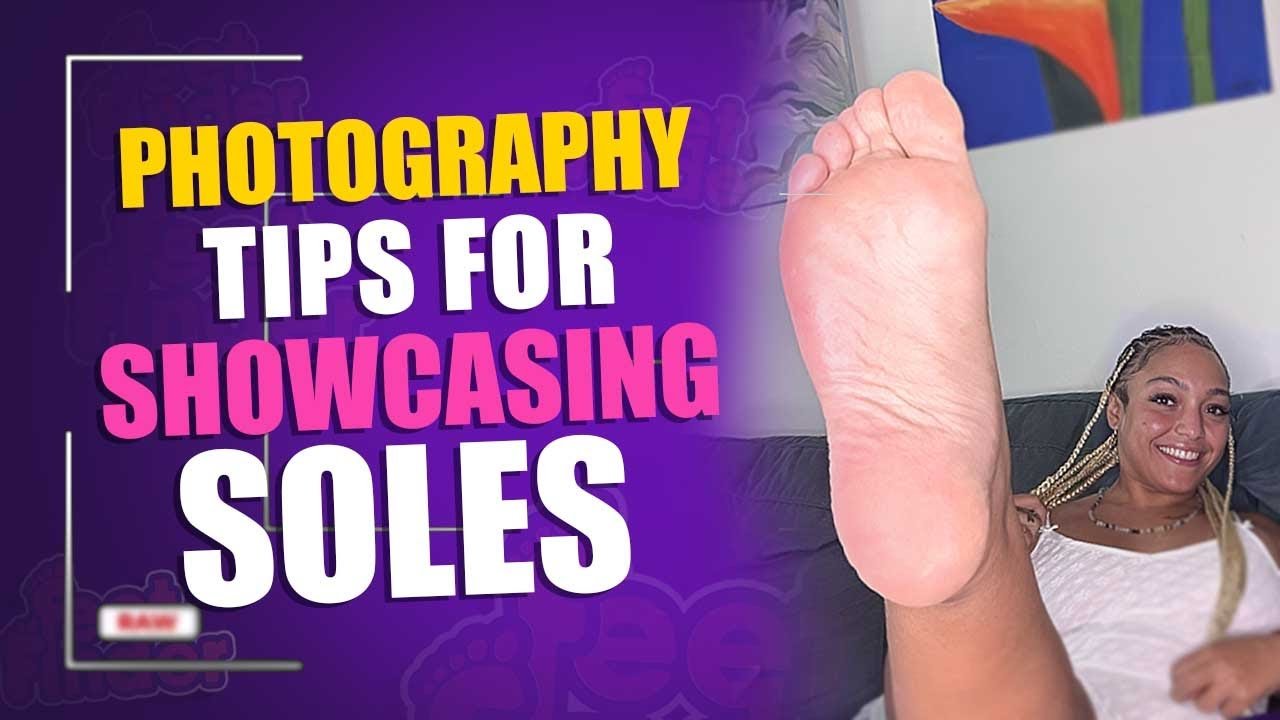
In “Sole Photography Tips for Growing a Feet Finder Business”, you’ll learn how to create stunning sole photos with practical camera angles, flattering lighting, thoughtful backgrounds, and grooming tips that make your images stand out. You’ll also get quick guidance on lens choices and aperture settings to bring texture and detail into focus.
The article then frames this work as a structured business, covering platform rules, verification, branding, content planning, and clear customer boundaries to protect your reputation. Follow these creator tips to grow your FeetFinder or OnlyFans presence, set realistic income expectations, and scale your side hustle responsibly.
Camera Angles and Composition
Start by thinking of composition as storytelling: each angle communicates something different about your soles. You want to control what the viewer notices first — arch, texture, toe alignment — and composition gives you that power. Use the subheadings below to choose angles and frame shots that flatter your feet and match your brand.
Choosing flattering angles for soles: back view, slightly raised perspective, toes-first, and side profiles
Experiment with back views to showcase the heel and arch, slightly raised perspectives to emphasize length, toes-first for playful or intimate detail, and side profiles to highlight curvature. You’ll find some angles make arches pop while others reveal texture and wrinkles; rotate and photograph from multiple positions to discover your best representations.
Framing and composition rules: fill the frame, use negative space, and focus on symmetry
Fill the frame when you want detail and intimacy, but use negative space to create mood or draw attention to a single feature. Symmetry works well for paired shots; off-center compositions can feel more candid. You’ll often want a mix of both approaches to keep your gallery visually interesting.
Using focal length and distance to control distortion and emphasis
Longer focal lengths (telephoto) compress features and reduce distortion, which can flatter the sole’s shape. Short focal lengths close to the foot emphasize texture but may distort proportions. Adjust your distance and lens choice to emphasize or minimize certain features based on the look you want.
Posing tips to accentuate arch, wrinkles, and unique sole features
Small adjustments have big effects: flexing or pointing toes accentuates the arch, curling toes changes wrinkle patterns, and gentle pressure on soft surfaces reveals creases. Use props or surfaces to support poses that highlight unique features without forcing uncomfortable positions.
Including context shots vs. close-up detail shots for variety
Mix context shots that show the whole foot and surroundings with extreme close-ups of texture, lines, and pores. Context helps tell a story and situates the viewer, while close-ups provide tactile detail that fans of sole photography often seek. Alternate between both for a balanced gallery.
Lighting Techniques
Lighting defines your image’s mood and controls texture visibility. Good lighting brings out skin tone, minimizes unwanted shadows, and enhances detail without overexposing. Learn to manipulate both natural and artificial light to achieve consistent, flattering results.
Using natural light: best times of day and window positioning
Soft morning or late afternoon light is ideal; aim for the golden hours for warm tones and softer shadows. Position your subject slightly off a window and use sheer curtains to diffuse direct sun. You’ll get smooth, natural-looking skin tones without harsh contrasts.
Controlled lighting setups: softboxes, reflectors, and diffusers for even skin tones
Softboxes and diffusers produce broad, even light that reduces hotspots on the soles. Reflectors bounce fill light into shadowed areas and are inexpensive but highly effective. A simple three-point lighting setup — key, fill, and rim — can be scaled to match your budget and style.
Avoiding harsh shadows and hotspots on soles
Watch for specular highlights on moisturized skin; move lights farther away, use larger diffusion, or angle the light to prevent hotspots. Fill light or reflectors help soften shadows under arches and toes so texture reads without distracting dark patches.
Color temperature and white balance for accurate skin tones
Set white balance to match your light source — daylight for sun, tungsten for warm bulbs — or shoot RAW so you can correct in post. Accurate color temperature preserves natural skin tones and prevents awkward color casts that make soles look unhealthy or washed out.
Creative lighting: rim light, backlighting, and low-key lighting for mood
Use rim lighting to separate the foot from the background and emphasize contours, backlighting for translucency in toes and softness around edges, and low-key setups to create drama and contrast. Creative lighting lets you translate mood and personality into your sole photos.
Backgrounds and Props
Backgrounds and props set the scene and support the visual narrative of your photos. Choose elements that complement skin tones and stylistic themes, and maintain simplicity so attention stays on the soles.
Selecting neutral vs. themed backgrounds to match branding
Neutral backgrounds (white, beige, muted tones) keep the focus on the foot and are versatile across platforms. Themed backgrounds support a specific niche or campaign — for example, beach sand for summer content or velvet for luxury vibes. Match your background to the brand you want to build.
Using textured surfaces and fabrics to add depth and contrast
Textures like rugs, wood, knit fabrics, or stone add depth and tactile contrast that makes skin stand out. Consider how rough vs. soft textures interact with the sole — soft fabrics can soften edges while coarse surfaces emphasize detail.
Props that complement sole photos: rugs, shoes, jewelry, and food items (where appropriate)
Subtle props like ankle chains, toe rings, sandals, or seasonal items can enhance storytelling without overwhelming the subject. If you add food items or themed props, keep hygiene and aesthetics in mind; props should enhance, not distract, and should fit your target audience’s tastes.
Maintaining visual consistency across a series with matching palettes
Pick a color palette for each series and stick to it across backgrounds, props, and editing presets. Consistent palettes make your portfolio look professional and help followers recognize your work instantly, which is important for branding and repeat customers.
Cleaning and preparing backgrounds to avoid distractions
Always inspect and clean backgrounds and props before shooting — lint, dust, or stray objects will pull attention away from your subject. Simple prep like lint-rolling fabrics and smoothing surfaces saves time in editing and keeps your images polished.

This image is property of i.ytimg.com.
Foot Grooming and Styling
Presentation matters as much as technique. Caring for your feet between shoots ensures they look their best and reduces time spent on editing. Good grooming also helps you feel confident and consistent in your content.
Basic hygiene and foot care: exfoliation, moisturizing, and callus management
Regular exfoliation and moisturizing keep skin smooth and highlight natural texture without flakiness. Use gentle pumice or foot files for callus management and moisturize nightly leading up to a shoot. Healthy feet photograph better and require less retouching.
Nail care and polish choices: colors, finishes, and maintenance between shoots
Choose nail colors that complement your background and brand — neutral or classic red for timeless shots, bold colors for themed content. Matte vs. glossy topcoats affect shine; glossy finishes can create highlights while matte reduces reflections. Keep polish clean and touch up chips between sessions.
Styling for themes: socked looks, shoe transitions, and barefoot variations
Socks, stockings, or shoes introduce variety; consider transitions like removing shoes to reveal soles for a sequence. Barefoot shots feel intimate and versatile, while socked or shoe-focused sets target specific aesthetics. Plan outfits that coordinate with the story you want to tell.
Addressing common foot concerns on camera: discoloration, scars, and bunions
Work with what you have: lighting and angles can minimize distractions, and gentle retouching can even out minor discoloration while preserving texture. Be transparent in your branding if you’re addressing medical or aesthetic concerns, and present options that highlight your strengths.
When to seek professional pedicure or podiatry advice
If you have persistent discomfort, severe calluses, or nail issues, see a podiatrist or professional pedicurist. Professional services can improve appearance and comfort, which benefits both your health and the quality of your images.
Camera Gear and Settings
Gear choices influence your capabilities but not your creativity. Whether you use a smartphone or a full-frame camera, understanding lenses, settings, and stabilization helps you capture sharp, detailed sole photos.
Choosing the right camera: smartphone vs. mirrorless vs. DSLR considerations
Smartphones today can be excellent for quick, high-quality content with convenience and portability. Mirrorless and DSLR cameras offer greater sensor control, interchangeable lenses, and better low-light performance. Choose the tool that fits your workflow and budget, then learn it well.
Lens choices: macro for details, standard for full sole shots, and zoom for flexibility
Macro lenses capture fine texture and pores, standard primes (35–50mm) are ideal for full sole shots with natural perspective, and zooms give flexibility for framing without moving the subject. Match your lens choice to the story: detail, context, or variety.
Recommended camera settings: aperture, shutter speed, and ISO for sharp sole imagery
Use a moderate aperture (f/4–f/8) for full sole sharpness and a wider aperture (f/1.8–f/2.8) for selective focus and background blur. Keep shutter speed fast enough to avoid motion blur — at least 1/100s for handheld close-ups — and use the lowest ISO that achieves a clean exposure.
Using tripods, remote shutters, and support accessories for consistent framing
Tripods and remote shutters provide consistency and let you fine-tune composition without moving the camera. Small rigs, bean bags, or clamp mounts help with unusual angles. These accessories pay off in repeatable framing and sharper images.
Budget gear recommendations and upgrades to prioritize
Start with good lighting and a dependable lens before chasing top-tier camera bodies. Prioritize a comfortable tripod, a sharp prime lens, and lighting modifiers. Upgrade sensors and lenses as your needs grow; these provide the most noticeable image-quality improvements.
Advanced Photography Techniques
When you’re comfortable with basics, advanced techniques let you create distinctive and memorable images. These methods help you stand out and experiment with style while reinforcing technical skills.
Depth of field control to isolate the sole and blur backgrounds
Shallow depth of field isolates the sole and creates a pleasing separation from background distractions. Use wider apertures and longer focal lengths to achieve strong background blur while keeping critical areas like the arch in focus.
Shooting with different apertures to capture texture and detail
Smaller apertures (higher f-numbers) increase depth of field and capture more texture across the sole, while larger apertures emphasize specific details and soften everything else. Rotate apertures to discover which best conveys the tactile qualities you want to highlight.
Using continuous lighting vs. flash and high-speed sync options
Continuous lighting lets you see the lighting effect in real time and is forgiving for beginners. Flash provides punch and freeze action; use modifiers and high-speed sync to control ambient light and avoid harsh shadows. Choose based on the look you want and the speed of your workflow.
Creative bokeh, reflections, and mirrored compositions
Use small background lights or reflective surfaces to produce attractive bokeh shapes, incorporate mirrors to show different angles simultaneously, and use reflective props to add depth. These creative tricks add polish and can become signature elements in your portfolio.
Experimenting with motion blur and intentional movement for dynamic shots
Introduce subtle movement — a toes curl, foot slide, or gentle sway — with slightly slower shutter speeds to convey motion while keeping key features sharp. Motion blur can transform a static image into something more evocative when used sparingly.
Photo Editing and Post-Processing
Editing refines your vision and ensures consistency across your content. Learn to correct color, remove minor distractions, and preserve natural texture so your images feel polished without looking over-processed.
Basic retouching: skin smoothing, blemish removal, and color correction
Start with exposure and white balance adjustments, then remove temporary blemishes or lint. Use subtle skin smoothing to reduce glare or dry patches, but keep texture intact to avoid an unnatural look. Aim for enhancements, not transformations.
Preserving natural texture while editing: tips to avoid over-processing
Work with low-strength brushes and layer-based adjustments so you can dial edits back. Use frequency separation techniques conservatively and always compare before-and-after versions. Your audience often values real texture, so preserve pores and natural lines.
Cropping, straightening, and compositing multiple exposures
Crop to strengthen composition, straighten horizons or props, and use focus stacking or multiple exposures to capture greater depth when needed. Compositing can rescue images with mixed lighting but keep edits realistic and cohesive.
File sizing and format choices for web delivery and platform requirements
Export JPEGs for quick web delivery with moderate compression and keep originals in RAW for archival. Tailor image dimensions and quality settings to platform requirements to balance clarity and loading speed. Always keep a high-resolution master for future needs.
Consistent presets and batch editing for efficient production
Create or purchase presets that match your brand’s look and apply them in batches to maintain consistency. Batch editing saves time for content creators producing frequent uploads while ensuring your gallery feels cohesive.
Content Planning and Shoot Workflow
A repeatable workflow keeps shoots efficient and ensures you produce content consistently. Treat shoots like small productions: plan, execute, and organize so you can scale your output over time.
Creating shot lists and mood boards for each session
Draft shot lists that include angles, props, and lighting setups, and build mood boards to capture color palettes and pose references. You’ll work faster on shoot day and reduce decision fatigue by predefining your creative intent.
Scheduling shoots for light, energy, and regular content output
Plan shoots around your best natural light and when you have the most energy. Batch similar shoots together to streamline setups and ensure a steady content pipeline that supports regular posting and subscriber expectations.
Batch shooting strategies to build a content library quickly
Photograph multiple variations of an angle, outfit, or background in one session to create a backlog. Slightly tweak poses and props to generate many unique files without reinventing the setup each time.
Organizing files, backups, and metadata for easy retrieval
Use consistent filenames, folders, and metadata tags to make searching simple. Back up to multiple locations (external drive and cloud) and keep a content calendar to track what you’ve published and what remains in the library.
Planning thematic shoots and seasonal content calendars
Map out seasonal and thematic shoots to capitalize on holidays and trends. Plan months in advance so you can create cohesive series and coordinate props, palettes, and promotional strategies around special events.
FeetFinder Profile Setup and Verification
Your profile is the storefront for your sole photography business. Optimize it with clear visuals, thoughtful descriptions, and trust-building elements so buyers feel safe and excited to engage with your content.
Optimizing profile photos and bio to attract target buyers
Choose a clear, tasteful profile photo and write a concise bio that communicates your niche, style, and boundaries. Use language that speaks directly to your target audience and highlights what sets your content apart.
Verification process: tips to meet FeetFinder requirements and build trust
Follow platform guidelines carefully during verification: provide accurate IDs, clear photos, and any required verification shots. Being verified increases buyer confidence and can lead to higher engagement and sales.
Crafting a compelling gallery with teasers and full shots
Organize your gallery with a mix of teaser images and full-resolution content behind paywalls or subscriptions. Teasers should entice without giving everything away; use consistency and variety to encourage purchases.
Using keywords in profile and photo descriptions for discoverability
Use relevant keywords in your profile and descriptions to enhance searchability on the platform. Think like a buyer: include descriptors about angle, texture, color palette, and themes so interested users can find your work.
Setting up payment, subscription options, and messaging preferences
Offer clear pricing, subscription tiers, and payment methods that suit your audience. Set boundaries in messaging preferences and communicate expected response times. Clear, professional policies reduce misunderstandings and improve buyer trust.
Conclusion
Wrap up your learning by focusing on fundamentals and building a sustainable, professional practice. Photography and business skills develop over time, and consistent execution is what turns skills into income.
Recap of photographic and business fundamentals for a FeetFinder-focused sole photography business
You’ve covered angles, lighting, grooming, gear, editing, and platform setup — all crucial for attractive, marketable content. Combine technical skill with consistent branding to create images that sell and build a reliable audience.
Prioritizing consistency, professionalism, and customer trust to build sustainable income
Consistency in posting, image quality, and communication fosters repeat buyers and referrals. Treat your content as a product: be professional in transactions and transparent about policies to cultivate long-term trust.
Next steps: choose a niche, plan your first shoots, and set up profiles with clear policies
Pick a niche that aligns with your strengths, create a few themed shoots to populate your profile, and draft clear payment and content policies. Launch with a modest backlog to keep content flowing as you grow.
Encouragement to iterate, learn from analytics, and scale thoughtfully over time
Track performance, test different styles and pricing, and learn from what your audience engages with most. Iterate based on feedback and analytics, and scale carefully — adding new themes, subscriptions, or premium offerings as demand grows.
Leave a Comment